A new U.S. Treasury crackdown on banks handling Iranian funds is jolting global oil markets, sending Brent crude above $90 and pushing U.S. gasoline prices to record August highs as regulators escalate financial pressure on Tehran.
Oil prices surged nearly 3% on August 31 after U.S. forces struck Iranian rocket launchers near the Strait of Hormuz. Brent crude closed at $90.69 a barrel and West Texas Intermediate at $85.54, according to Trading Economics. The national average for regular gasoline reached $4.08 per gallon, marking the first time U.S. households have faced prices above $4 throughout August. This spike is directly linked to the Treasury's intensified sanctions campaign, which now targets the financial channels supporting Iran's oil revenue.
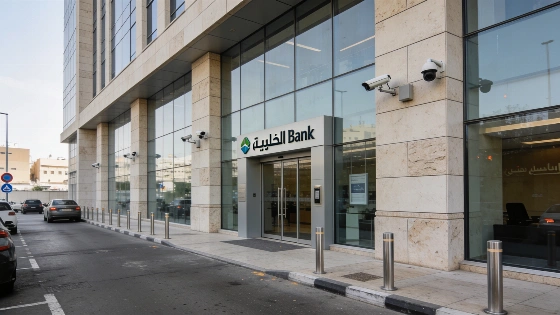
The U.S. Treasury's action against Banque Misr's UAE branches marks the first public step in a new campaign targeting Iranian financial and trade partners in the region.
Dollar Leverage
Unlike previous sanctions, the current campaign targets correspondent banking-the infrastructure that enables foreign banks to clear dollar payments through U.S. institutions. Losing this access effectively blocks a bank from moving dollars, a critical blow for oil transactions. China, which purchases about 90% of Iran's exported crude, is central to this network. Sanctioning a Chinese bank would not only disrupt Iran's finances but also risk direct confrontation with the world's second-largest economy, threatening broader financial stability.
Bessent has publicly promised to intensify sanctions pressure, hinting at regular new measures. In recent comments, he stated that the U.S. is 'starting with banks' and will make it clear that financial institutions cannot hold Iranian money or assist the regime. According to Reuters, new secondary sanctions against Iran's trading partners are expected on a weekly basis.
Market and Policy Risks
The Treasury's use of Section 311 is a calculated move: it is slower and more procedural than direct OFAC sanctions, allowing for public input and giving central banks in Egypt and the UAE time to coordinate. By targeting Banque Misr's UAE branches, the U.S. sends a warning without provoking immediate retaliation from a major power. The real inflection point will come if the U.S. escalates to sanctioning a Chinese institution, which could disrupt global commodity flows and financial markets.
For American consumers, the impact is immediate and tangible. The campaign to restrict Iranian revenue is designed to avoid triggering oil price spikes, but the two objectives are inherently at odds. The recent surge in prices demonstrates how quickly disruptions in the Strait of Hormuz or the dollar clearing system can translate into higher costs for U.S. households. According to Reuters, Brent crude's jump above $90 per barrel on August 31 followed renewed military and financial escalations between the U.S. and Iran.
What's Next for Sanctions and Oil
The coming days will test whether the Treasury is prepared to escalate by targeting a Chinese bank or will continue focusing on smaller regional players. An escalation could send shockwaves through global commodity markets and U.S. gas stations alike. If the administration holds back, Tehran may perceive limits to U.S. financial power. Either scenario is already altering the calculus for both Iran and American consumers, with the risk premium now embedded in household budgets.
Data from the U.S. Energy Information Administration shows that the U.S. consumed about 20.3 million barrels of petroleum per day in 2025, with imports making up roughly 7.2 million barrels daily. Any sustained disruption in global oil flows or dollar-based transactions could tighten supply and drive prices higher, especially if major buyers like China are forced to reroute payments or adopt alternative currencies.
Sanctions targeting correspondent banking relationships are among the most potent tools in the U.S. arsenal, but they carry significant trade-offs. Cutting a bank off from the dollar system can isolate adversaries, yet it also risks fragmenting global finance if other countries accelerate efforts to develop alternative payment networks. For American households, the immediate effect is higher prices at the pump and increased energy market volatility. The Treasury's strategy, while powerful, demands a careful balance between strategic objectives and the real-world costs borne by consumers and businesses.