
A fatal boat accident near the Statue of Liberty has led to criminal charges and renewed scrutiny of illegal charters, highlighting risks for passengers and operators in U.S. waterways
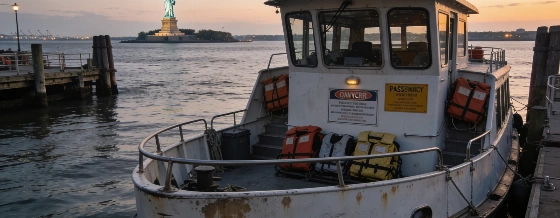
A deadly boating accident near the Statue of Liberty has resulted in criminal charges against the vessel's operator and renewed attention to the risks associated with illegal charters in U.S. waters. According to reporting by BBC News, a 46-year-old Manhattan resident was arrested and charged with 13 counts of reckless endangerment after a boat carrying multiple passengers capsized late Saturday night in New York Harbor. The incident left a 27-year-old woman and a five-month-old girl dead, while twelve others were rescued and are reported to be in stable condition.
Authorities responded to a 911 call at approximately 10:25 p.m. local time, launching a large-scale search and rescue operation involving the Coast Guard, New York Police Department, and Fire Department. A nearby tour operator, Sea the City, played a critical role in pulling 11 people from the water before emergency services arrived. Despite these efforts, two victims were later found by police divers and transported to a hospital, where they were pronounced dead.
Officials have not released the names of the passengers or the specific cause of the capsizing. However, the Coast Guard is investigating whether the boat was operating as an illegal charter-a practice that involves carrying paying passengers without the required credentials, safety equipment, or inspection certificates. Such operations can expose both passengers and operators to significant legal and financial risks, including criminal liability and civil lawsuits in the event of an accident.
In the United States, the Coast Guard regulates commercial passenger vessels and requires operators to hold appropriate licenses and maintain strict safety standards. Illegal charters bypass these requirements, often to cut costs or avoid regulatory scrutiny. According to the Coast Guard, illegal charters have been a persistent problem in major U.S. ports, with enforcement actions increasing in recent years as authorities seek to deter unsafe operations.
Data from the U.S. Coast Guard shows that in 2022, there were 636 recreational boating fatalities nationwide, with 75% of deaths occurring on vessels where the operator had not received boating safety instruction. The Coast Guard has also reported a rise in enforcement actions against illegal charters, particularly in high-traffic areas like New York Harbor and Miami. Penalties for illegal charter operations can include substantial fines, vessel seizure, and criminal charges, especially when accidents result in injury or death.
For passengers, the financial and legal consequences of boarding an unlicensed vessel can be severe. Insurance coverage may be voided in the event of an accident, and victims or their families may face challenges seeking compensation if the operator lacks proper credentials or liability coverage. For operators, the risks extend beyond criminal prosecution to include personal financial ruin, as civil lawsuits can result in judgments that exceed available assets or insurance limits.
Boating safety in the U.S. is governed by a combination of federal and state regulations, with the Coast Guard overseeing commercial operations and states setting rules for recreational vessels. Licensed charter operators must comply with rigorous inspection, equipment, and training requirements designed to protect passengers. Consumers considering a boat charter should verify the operator's credentials and ensure the vessel is properly inspected and insured. The Coast Guard maintains a public database of licensed operators and inspected vessels, which can be a valuable resource for those seeking to minimize risk when booking a trip on the water.