A sharp rally in chip stocks led by Intel and Nvidia helped the Nasdaq recover after a Fed rate hike rattled markets and signaled no rate cuts through 2029, raising questions about tech supply and the cost of computing
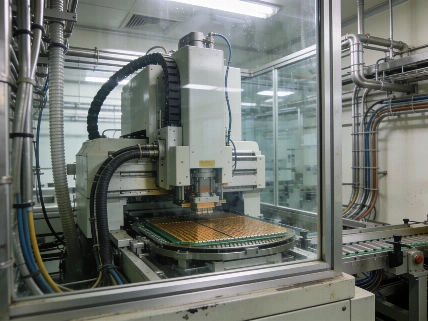
Wall Street rebounded sharply following Wednesday's rate hike, with chipmakers leading the recovery. By late Thursday morning, the Nasdaq Composite rose 1.4%, outpacing the S&P 500's 0.9% gain and the Dow's 0.4% advance. Intel shares jumped 8.6% after its CEO disclosed that the company can meet only half of current CPU demand due to manufacturing and memory shortages, triggering a rally across the semiconductor sector.
Stocks had sold off the previous day after the Federal Reserve raised its benchmark rate to a range of 3.75% to 4% and signaled a continued hawkish stance. The dot plot indicated that 10 of 18 Fed officials foresee no rate cuts through 2029, and 16 expect at least one more hike before the end of 2026. The Dow dropped more than 630 points on the news, but Thursday's session brought a partial recovery as investors reassessed risks and opportunities in technology and industrials.
According to industry sources, prices for certain types of memory chips have surged by 5 to 7 times due to the ongoing supply crunch and soaring AI infrastructure demand.
Semiconductor Supply Strains
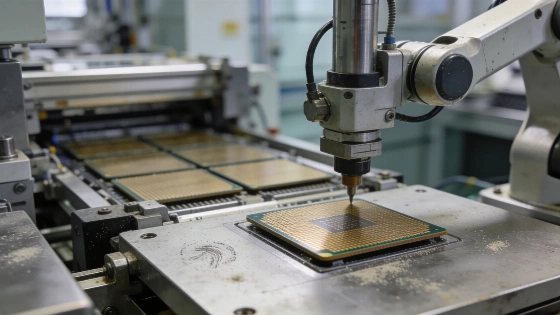
Intel CEO Lip-Bu Tan told a technology conference that manufacturing constraints and a shortage of memory chips are limiting the company's ability to supply CPUs, currently meeting only about 50% of demand. This statement, combined with positive analyst reports and an accelerated schedule for new manufacturing nodes, drove Intel shares higher. The rally extended to other chipmakers: Micron Technology gained 5.8%, SK Hynix rose 3.9%, and Nvidia advanced 2.5%, providing the largest boost to both the S&P 500 and Nasdaq Composite. Advanced Micro Devices climbed 6.2% as investors anticipated sustained demand for high-performance computing.
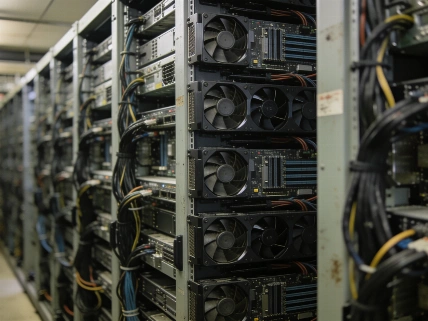
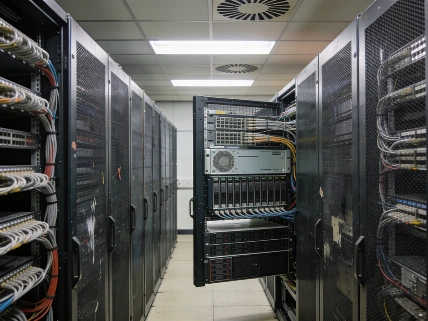
These supply challenges are not limited to the short term. The AI boom is fueling demand for advanced chips, and cloud providers are raising prices for access to high-end hardware. Nebius, a cloud platform, announced price increases for Nvidia H100 rentals of about 17% and B300 by 21%, along with higher costs for AMD CPU access. As the cost of computing rises, companies controlling key components are gaining greater pricing power.
The Federal Reserve's unanimous decision on September 16, 2026, raised the target range for the federal funds rate by 25 basis points to 3.75-4.00%. The move was accompanied by an increase in the interest rate on excess reserves to 3.90% and the discount rate to 4.00%.
Market Reaction and Sector Moves
The broader market found some relief as the 10-year Treasury yield fell more than 5 basis points to 4.949%, moving back below the 5% threshold crossed on Wednesday. Lower yields can ease pressure on growth stocks, particularly in technology. Meanwhile, the oil sector cooled after reports that Saudi Arabia will supply more crude to Asian refiners, sending U.S. crude down about 1% to roughly $100 a barrel and Brent down 2% to about $102.
Within the Dow, gains were concentrated in a few names. Caterpillar, closely linked to AI data center construction, rose 1.9% and contributed 89 points to the index-more than twice the next-largest contributor. By late morning, 20 of the Dow's 30 components traded higher, though the index's advance lagged the tech-heavy Nasdaq.
The Federal Reserve's unanimous 12-0 vote to raise rates was more hawkish than many analysts anticipated, with no dissent and a clear focus on inflation. Chair Kevin Warsh's brief remarks-just 130 words-left little ambiguity: the Fed intends to see inflation decline before considering any policy easing. As detailed in an in-depth CNBC market review, the latest projections point to a prolonged period of elevated borrowing costs, with 16 of 18 Fed participants expecting at least one more rate hike before the end of 2026.
Rising Costs and Investor Uncertainty
The surge in AI-driven demand for chips and cloud computing is generating additional inflationary pressures. As providers pass higher hardware costs to customers, the price of accessing advanced computing power continues to climb. This trend could compress margins for tech companies reliant on cloud infrastructure, while benefiting chipmakers and hardware suppliers with pricing leverage.
UBS Global Wealth Management projects further equity gains but cautions that volatility is likely. The market's rapid shift from panic to optimism highlights investor sensitivity to both macroeconomic signals and sector-specific developments. While Thursday's rally in chip stocks does not resolve ongoing uncertainty about rates, inflation, and supply chains, it underscores where market participants see the strongest near-term opportunities-and the most significant risks.
Semiconductors are fundamental to modern technology, powering devices from smartphones to data centers. Current supply constraints reflect both the complexity of chip manufacturing and surging demand from AI and cloud computing. For investors, understanding the supply chain-from raw materials to finished chips-can clarify why some companies gain pricing power while others face higher costs. As the industry evolves, the balance between innovation, capacity, and cost will influence both market outcomes and the prices consumers pay for technology.