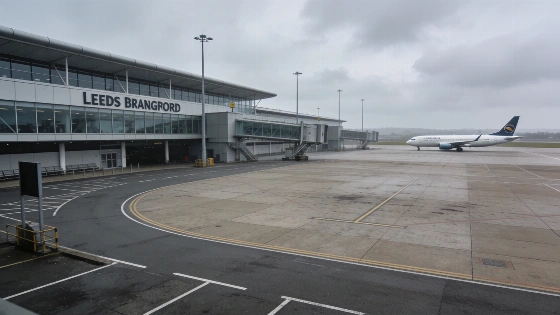
EasyJet will permanently end all service at Leeds Bradford Airport after 16 years, citing unprofitable routes. The move leaves local travelers with fewer direct options and opens the door for rivals to expand
Travelers in northern England will soon have fewer low-cost flight options as EasyJet plans to exit Leeds Bradford Airport entirely, ending all flights by January 5, 2027. The decision, announced after a review of the airline's route profitability, marks the end of EasyJet's 16-year presence at the airport and reflects the ongoing challenges faced by regional airports competing with larger hubs nearby.
Leeds, with a metropolitan population of nearly 860,000, is the fifth-largest city in the United Kingdom and a major economic center for Yorkshire. Despite its size, the city's proximity to larger airports in Manchester and London has made it difficult for carriers to sustain a broad network of profitable routes. EasyJet's withdrawal follows a similar move by British Airways, which ended its Leeds service in 2020.
Impact on Local Travelers
For U.S. travelers connecting through the U.K. or considering regional European flights, the exit means fewer direct options from Leeds Bradford. EasyJet previously offered flights to destinations such as Barcelona, Paris, Belfast, and Geneva. Customers with bookings beyond the exit date will be offered the choice to transfer to flights from other airports or receive a refund. Those wishing to travel before the cutoff can reschedule within the remaining service window.
The move underscores the financial pressures on airlines to focus on high-demand, high-margin routes, especially as fuel costs and competition from other low-cost carriers remain intense. According to reporting by TheStreet, EasyJet stated that routes from Leeds Bradford were no longer profitable enough to justify continued operation.
Rival Carriers Step In
Ryanair, Wizz Air, and Jet2 continue to operate from Leeds Bradford, with Ryanair quickly launching "rescue fares" starting at £29.99 (about $41) for affected EasyJet customers. Ryanair also announced plans to expand its Leeds Bradford schedule in summer 2026, adding new routes to Agadir and Warsaw and increasing service to cities like Alicante, Faro, Gdansk, and Krakow. The carrier is positioning itself to capture displaced demand, particularly for popular leisure destinations.
For travelers, the loss of EasyJet may mean less competition and potentially higher fares on some routes, though the presence of multiple low-cost carriers could help keep prices in check. The situation highlights the volatility of regional air service in Europe, where airport proximity and shifting airline strategies can quickly reshape travel options.
Financial and Market Context
According to the UK Civil Aviation Authority, Leeds Bradford Airport handled approximately 3.3 million passengers in 2023, down from a pre-pandemic peak of over 4 million in 2019. EasyJet's share of the airport's total traffic has declined in recent years as other carriers expanded their presence. The broader European airline industry continues to face margin pressure from rising operating costs and fluctuating demand, with many carriers consolidating routes to focus on core markets.
For U.S. investors and travelers, these shifts in the European low-cost airline sector can affect both travel planning and the financial performance of publicly traded carriers. EasyJet, listed on the London Stock Exchange, reported a pre-tax profit of £432 million (about $540 million) for the fiscal year ending September 2023, but warned of ongoing cost headwinds and competitive pressures in its latest earnings release.
Regional airports like Leeds Bradford often struggle to attract and retain major carriers due to their limited catchment areas and competition from larger, better-connected airports. Airlines must balance the convenience offered to local travelers against the economics of route profitability, especially as consumer demand shifts and cost structures evolve. For travelers, monitoring airline route changes and being flexible with departure airports can help manage costs and maintain access to preferred destinations.