The Federal Reserve kept rates unchanged but warned it may act if inflation remains high, sending the Dow down sharply before a partial rebound. Investors face renewed pressure to prepare for tighter borrowing and market volatility
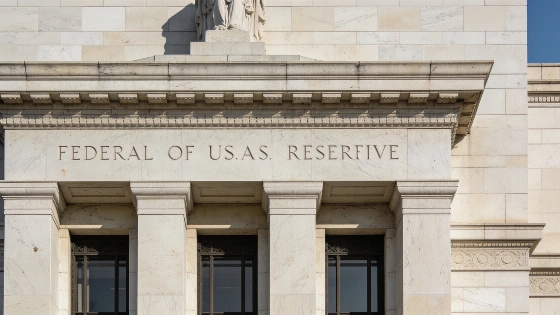
The Federal Reserve left its benchmark interest rate unchanged at its latest policy meeting, opting for a wait-and-see approach as inflation shows signs of easing but remains above the central bank's long-term target. Chairman Kevin Warsh, leading his second meeting, emphasized that the Fed will not tolerate sustained high inflation, even as some market rates, such as mortgages, have risen independently of Fed action. The decision comes amid ongoing uncertainty about whether recent declines in inflation will persist or prove temporary.
Markets responded swiftly to the Fed's stance. The Dow Jones Industrial Average dropped 840 points in a single session following the announcement, reflecting investor anxiety over the possibility of future rate hikes. While the index has since regained some ground, the episode highlights how sensitive equities remain to signals from the central bank. According to reporting by Financial Sumo, investors are increasingly weighing defensive strategies as the Fed's next move remains uncertain.
Interest Rates and Economic Activity
Interest rates play a central role in shaping economic growth and financial conditions. When the Fed raises rates, borrowing becomes more expensive for both businesses and consumers. This tends to slow economic activity, as companies may delay expansion and households may postpone major purchases such as homes or cars. Conversely, lower rates typically encourage borrowing and investment, fueling growth but also raising the risk of overheating and inflation.
Recent inflation data has shown some moderation, but the Fed remains cautious. The central bank's preferred inflation gauge, the Personal Consumption Expenditures (PCE) Price Index, has edged lower in recent months, but remains above the 2% target. Mortgage rates, meanwhile, have climbed to multi-year highs, with the average 30-year fixed rate hovering above 7% as of late July, according to Freddie Mac. Higher rates have already cooled some segments of the housing market, with home sales and refinancing activity both declining compared to a year ago.
Stock Market Implications
Stock prices are closely linked to interest rate expectations. When rates rise, the cost of capital increases and future corporate earnings are discounted more heavily, often leading to lower stock valuations. Sectors that rely on consumer spending or heavy borrowing, such as technology and discretionary retail, can be especially vulnerable. Defensive stocks-companies that provide essential goods and services regardless of economic cycles, like Costco Wholesale and TJX Companies-tend to hold up better during periods of rising rates and market volatility.
Investors looking to protect their portfolios from potential rate hikes may consider increasing exposure to these defensive sectors. As highlighted in a recent Financial Sumo article on where to find relative safety during market downturns, funds and stocks with a track record of resilience can help cushion against sharp declines. Still, no strategy is without risk, and even defensive assets can lose value if economic conditions deteriorate sharply.
Preparing for Policy Shifts
The Fed's reluctance to provide explicit forward guidance leaves investors and consumers guessing about the timing and magnitude of future moves. While the central bank has signaled a willingness to raise rates if inflation fails to subside, it has also acknowledged the risk of tightening too aggressively and stalling the recovery. This balancing act means that both borrowers and investors should remain alert to changing conditions.
For households, higher interest rates translate into more expensive credit card debt, auto loans, and mortgages. Those with variable-rate debt may see payments rise quickly if the Fed resumes tightening. On the other hand, savers could benefit from higher yields on savings accounts and certificates of deposit, though these gains often lag behind rate increases on loans. Businesses, especially smaller firms that rely on external financing, may need to reassess growth plans if borrowing costs climb further.
Understanding the interplay between interest rates, inflation, and market performance is essential for making informed financial decisions. While the Fed's actions are a key driver, other factors-including global economic trends, fiscal policy, and consumer sentiment-also shape the outlook. Investors and consumers alike should focus on maintaining flexibility, managing risk, and aligning their strategies with their time horizons and financial goals.