General Motors is under renewed scrutiny after thousands of engine failure complaints involving its high-end SUVs and trucks, raising questions about the effectiveness of a major recall and the potential for higher warranty costs
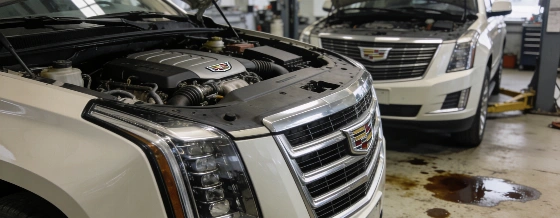
For owners of some of General Motors' most expensive vehicles, a recall notice may not be the end of their engine troubles. Federal safety regulators have expanded their investigation into nearly one million GM vehicles after persistent reports of engine failures tied to the company's 6.2-liter L87 V8 engine. The probe now covers a wide range of 2021-2026 models, including the Cadillac Escalade, Chevrolet Silverado 1500, Tahoe, Suburban, and GMC Sierra 1500 and Yukon, according to Car Dealership Guy.
The immediate concern for drivers is that GM's 2025 recall, which affected more than 600,000 vehicles, has not fully resolved the issue. Despite recall repairs, GM has received close to 7,000 additional complaints of engine failures, based on data from Reuters. Many of these complaints involve vehicles that had already undergone the prescribed fix, raising doubts about the effectiveness of the remedy and the potential for further recalls.
Recall Fallout and Ongoing Risks
The original recall targeted about 597,000 vehicles from model years 2021 through 2024. Federal records indicate that manufacturing defects in connecting rods and crankshafts could cause engine damage or outright failure. For drivers, a failed engine can mean sudden loss of propulsion, increasing the risk of a crash. Warning signs include engine knocking, illuminated check-engine lights, hesitation, unusual shifting, high engine RPMs, or reduced power.
GM's recall process involved dealer inspections, engine replacements for failed units, and modifications such as switching to higher viscosity oil for vehicles that passed inspection. Yet, the persistence of complaints suggests that the underlying problem may not have been fully addressed. The National Highway Traffic Safety Administration (NHTSA) has now escalated the matter to an engineering analysis, a more advanced stage of defect investigation that could lead to broader regulatory action.
According to Reuters, GM's internal review uncovered more than 28,000 complaints, with over half involving suspected loss of propulsion. The company also identified 12 crashes and 12 minor injuries potentially linked to the defect, as well as 42 reports of related fires. While NHTSA's engineering analysis does not guarantee another recall, it is a necessary step before regulators can mandate further repairs or expand the recall's scope.
Financial Stakes for GM and Owners
For GM, the stakes go beyond technical fixes. The company's North American business relies heavily on full-size pickups and SUVs, which are among its most profitable products. A prolonged safety investigation involving flagship models like the Silverado, Sierra, Yukon, Tahoe, Suburban, and Escalade could drive up warranty costs, increase dealership traffic, and expose the company to greater regulatory and reputational risk-even before any new recall is ordered.
Investors are watching closely, as unresolved safety issues in high-volume, high-margin vehicles can have a material impact on GM's financial performance. More engine replacements would mean higher warranty expenses, while repeated trips to dealerships could erode owner confidence and hurt resale values. The uncertainty also complicates the company's stock narrative, as analysts weigh the potential for additional costs against GM's core profitability.
As of the most recent filings, GM reported North American revenue of $128.7 billion for 2025, with full-size trucks and SUVs accounting for a significant share of operating profit. Warranty costs for the company totaled $4.2 billion in 2025, up from $3.8 billion the previous year, reflecting the financial impact of ongoing recall and repair campaigns.
Scope of the Investigation
The NHTSA has received 499 complaints directly related to the engine issue, while another 191 reports involve vehicles with the same L87 engine that were not included in the 2025 recall, according to Reuters. This raises the possibility that the original recall may have been too narrowly defined, and that similar failures are occurring outside the initial group of affected vehicles.
GM has stated that it is cooperating with NHTSA and is not advising owners to stop driving their vehicles at this time. Owners are encouraged to check their vehicle identification number (VIN) for outstanding recalls and to monitor for any engine warning signs. NHTSA provides a lookup tool for open recalls by VIN or license plate, and recall-related repairs are typically performed at no cost to the owner.
The central question now is whether GM's previous remedy will prove sufficient, or if a broader recall and more extensive repairs will be required. For drivers, the answer could mean another trip to the dealership-or a decision about whether to keep or sell a vehicle with a history of engine trouble. For investors, the outcome may influence GM's warranty reserves, brand reputation, and ultimately, its share price.
Engine failures in high-value vehicles like the Escalade and Silverado highlight the intersection of consumer safety, corporate risk, and financial performance. As the investigation continues, both owners and shareholders will be watching for signs of a lasting solution-or further complications.
Automotive recalls can have wide-ranging effects on both consumers and manufacturers. For vehicle owners, a recall may mean inconvenience, lost time, and uncertainty about long-term reliability or resale value. For automakers, the costs extend beyond direct repairs to include regulatory scrutiny, potential litigation, and damage to brand trust. In the U.S., federal law requires manufacturers to provide recall repairs at no charge, but the process can still be disruptive. Investors often track recall trends as a signal of operational risk, especially when they involve high-margin products or persistent technical issues.