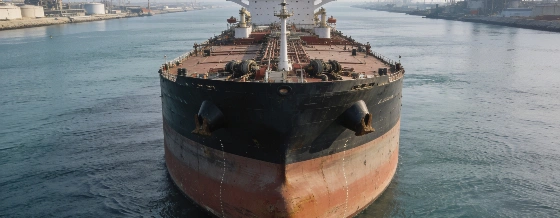
Oil prices have retreated as crude shipments through the Strait of Hormuz recover, but Goldman Sachs warns that gas and refined fuels remain at risk, with direct implications for U.S. inflation and economic growth.
Oil prices have declined from April highs, when Middle East tensions disrupted the Strait of Hormuz and pushed crude above $120 a barrel. As of June 2024, prices have stabilized near $83, reflecting a partial recovery in oil flows through this critical chokepoint. Goldman Sachs attributes the easing in crude prices to improved, though still incomplete, transit through Hormuz, but cautions that risks persist for other energy markets.
Hormuz Shipments Rebound, but Not Fully
According to tanker-monitoring service TankerTrackers, the average crude oil flow through Hormuz over a recent 7-day period was just 3.8 million barrels per day, highlighting ongoing volatility in reported volumes.
These shipping workarounds complicate tracking but have helped stabilize global supply. Goldman Sachs notes that unless the security situation worsens, these adaptations are likely to keep crude prices contained. However, the market remains sensitive to any renewed disruptions in tanker activity or infrastructure.
Gas and Refined Fuels Face Greater Pressure
Unlike crude, liquefied natural gas (LNG) and refined fuels such as diesel, jet fuel, and gasoline are less adaptable to shipping workarounds. European gas markets and global fuel supplies remain vulnerable to Hormuz-related disruptions. Goldman Sachs highlights that European natural gas prices and deferred oil product prices could face renewed upward pressure if flows are further restricted, given the region's reliance on imported LNG and limited alternatives.
Reuters reports that on some days, only five crude-carrying vessels have transited the Strait of Hormuz, and weekly shipping data continues to show traffic well below typical levels. This persistent reduction in tanker activity underscores the fragility of the current recovery and the ongoing risks to global energy logistics.
Economic Impact: Inflation and Growth
The decline in oil prices since April has eased U.S. inflation pressures. According to the Federal Reserve Bank of Boston, the personal consumption expenditure (PCE) price index rose from 2.9% in February to 3.8% in April, driven largely by energy costs. As oil prices fell, inflationary pressure moderated, providing relief to households and policymakers.
Research from the Federal Reserve Bank of Chicago indicates that the 2026 oil shock could have reduced U.S. GDP growth by 0.81 to 1.66 percentage points this year. Lower oil prices now support a partial recovery in growth. The San Francisco Fed also revised its near-term outlook downward during the price spike, citing the drag from higher energy costs. With gasoline prices easing, consumer spending has shown signs of improvement.
Goldman Sachs assesses that as long as Hormuz flows remain stable, the risk of renewed energy-driven inflation is limited. This reduces the likelihood of Federal Reserve rate hikes in direct response to energy shocks, though broader inflation risks persist.
What to Watch in Energy Markets
Goldman Sachs advises investors and policymakers to monitor physical oil flows, not just price movements. Export volumes through Hormuz, tanker tracking data, and LNG shipment levels are now key indicators of market stability. The current reliance on dark shipping and ship-to-ship transfers is fragile and could unravel if security conditions deteriorate.
Official figures from the U.S. Energy Information Administration (EIA) confirm that the Strait of Hormuz remains the world's busiest oil transit chokepoint, with 21 million barrels per day passing through in 2023. The recent reduction in flows underscores the ongoing vulnerability of global energy supply chains to geopolitical shocks.
For U.S. consumers, the distinction between crude and refined product prices is critical: while falling crude prices can ease inflation, persistent bottlenecks in gasoline or diesel supply may still affect household budgets. Policymakers and investors should focus on underlying flows and vulnerabilities, not just headline oil prices, to assess the broader economic outlook.