
With the aggregate score still 0-0, Independiente Rivadavia hosts Fluminense in Mendoza as both teams vie for a historic quarterfinal spot and the financial rewards that come with advancing in South America's top club tournament
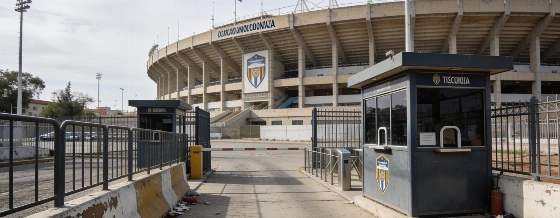
Independiente Rivadavia faces a pivotal moment as it hosts Fluminense in Mendoza for the second leg of the CONMEBOL Libertadores Round of 16. With the aggregate score locked at 0-0 after a tense first match in Rio de Janeiro, both clubs are under pressure to secure a win and move closer to the lucrative quarterfinals. For Independiente Rivadavia, this campaign marks its first-ever appearance in international competition, and the financial implications of advancing further are significant for a club of its size.
Fluminense, a club with a deeper history in continental play, enters the match without its previous head coach, Luis Zubeldía, but with the experience of veterans like Hulk and Thiago Silva. The Brazilian side must win on the road to avoid a penalty shootout, a scenario that often introduces additional risk and unpredictability. The first leg saw Fluminense dominate possession but fail to convert that control into clear scoring opportunities, while Independiente Rivadavia nearly broke the deadlock with a dangerous free kick and quick counterattacks.
Financial Stakes
Progressing to the quarterfinals of the CONMEBOL Libertadores brings a substantial financial boost. According to CONMEBOL's official prize structure, clubs reaching the quarterfinals in 2026 are set to receive at least $1.7 million in additional prize money, not including potential increases from ticket sales, sponsorships, and broadcast rights. For Independiente Rivadavia, which operates on a much smaller budget than most of its continental rivals, this windfall could help stabilize finances, fund infrastructure improvements, or support player acquisitions. For Fluminense, advancing is critical to maintaining its competitive payroll and justifying recent investments in high-profile players.
Independiente Rivadavia's unbeaten run in the tournament-five wins and two draws-has already set a club record and echoes the rare achievement of River Plate, which went unbeaten through its first eight Libertadores matches in 1966. The team's top scorer, Álex Arce, leads the tournament with eight goals, highlighting the club's ability to compete against more established opponents. Fluminense, meanwhile, has avoided defeat in seven of its last nine visits to Argentina in this competition, but faces the challenge of playing a decisive knockout match on Argentine soil for the first time.
Key Players and Match Dynamics
Veteran leadership is a defining feature of this tie. Fluminense fielded three players aged 40 or older in the first leg-Fábio, Thiago Silva, and Hulk-demonstrating the club's reliance on experience in high-pressure situations. For Independiente Rivadavia, Arce's scoring record and familiarity with Fluminense's defense could prove decisive. The match will be officiated by Andrés Rojas of Colombia, with Leonard Mosquera overseeing VAR, adding another layer of scrutiny to what is expected to be a tightly contested encounter.
Any win in regulation will send the victor to the next round, while another draw will force a penalty shootout. The winner will face either Coquimbo Unido or Platense in the quarterfinals, with further financial and sporting rewards at stake. For both clubs, the outcome will influence not only their immediate prospects in the tournament but also their financial planning for the coming year.
Broader Implications
For U.S. investors and fans tracking international soccer, the financial dynamics of South American club competitions offer a window into how prize money, sponsorship, and broadcast rights can impact club operations. While the sums involved are smaller than those in European tournaments, the relative impact on club budgets can be dramatic, especially for teams making their first deep run. The structure of the Libertadores incentivizes performance at every stage, with each round offering incremental financial rewards that can reshape a club's trajectory.
In the 2026 edition, the prize pool for the Libertadores has continued to grow, reflecting increased global interest and higher media rights values. Clubs that advance not only gain immediate cash infusions but also enhance their brand value, attract new sponsors, and improve their negotiating position with players and agents. For smaller clubs like Independiente Rivadavia, a single win can have outsized effects, while established teams like Fluminense rely on consistent deep runs to sustain their financial commitments and competitive ambitions.
Understanding the economics of international club soccer requires attention to both the direct payouts and the broader ecosystem of revenue streams. Gate receipts, merchandise sales, and local sponsorships often spike during successful campaigns, but so do costs related to travel, bonuses, and squad reinforcements. For clubs operating on thin margins, the difference between advancing and elimination can be the difference between a surplus and a deficit for the fiscal year.
As the match in Mendoza approaches, both Independiente Rivadavia and Fluminense are not just playing for sporting glory-they are competing for financial stability and future growth in a landscape where every result carries real economic consequences.
In professional soccer, prize money from international tournaments like the CONMEBOL Libertadores can represent a significant share of annual revenue, especially for clubs outside the top spending tiers. Unlike domestic leagues, where income is often more predictable, knockout competitions introduce volatility and opportunity in equal measure. Clubs must balance the immediate financial gains of advancing with the long-term costs of building squads capable of competing at this level. For investors, sponsors, and fans, understanding these financial mechanics is key to interpreting both on-field results and off-field decisions.