River Island, a 78-year-old British fashion retailer, is shutting 33 stores in the UK and Ireland as it restructures to address changing consumer habits and rising operating costs
River Island, a mainstay of British high street fashion since 1948, is closing 33 of its stores across the UK and Ireland in 2026 as part of a major restructuring effort. The move comes amid a wave of retail closures and bankruptcies on both sides of the Atlantic, as traditional brick-and-mortar chains struggle to adapt to the rapid shift toward online shopping and evolving consumer preferences.
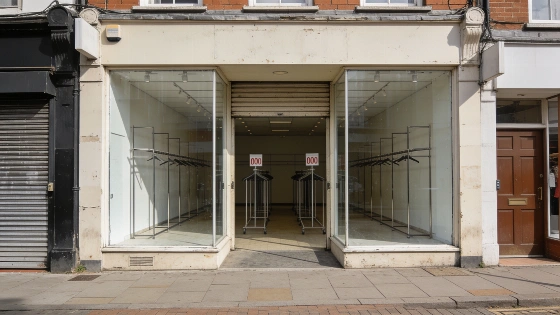
According to reporting by TheStreet, the company's latest closure will affect its Swansea location in Wales, with the store set to shut its doors on September 12. Signs in the windows have already notified shoppers of the impending closure and a liquidation sale is underway, with discounts of 30% or more expected to deepen as the closing date approaches.
River Island Cuts Store Network After Years of Financial Pressure
River Island's decision to trim its store portfolio follows a period of significant financial strain. After posting a loss of £124.3 million in 2023, the company returned to profitability in 2025, largely by reducing its physical footprint from a peak of 350 stores to 235.
The company, which remains privately owned by the Lewis family, has cited a sharp rise in operating costs and a mismatch between its existing store locations and current customer demand as key drivers behind the closures.
While River Island has not disclosed detailed financials for 2026, the company reported employing about 5,500 people at the end of 2025. The exact number of job losses resulting from the latest round of closures remains unclear, but widespread layoffs are expected.
Retail Closures Spread Across the Industry
The challenges facing River Island are not unique. Other major retailers, such as Russell & Bromley and Francesca's, have also entered administration or filed for bankruptcy in recent years, reflecting the broader pressures on the sector.
High street retail, once a symbol of commercial prestige and reliable sales, has been upended by two decades of digital disruption, changing shopping habits, and rising costs.
For U.S. investors and consumers, the River Island story echoes similar trends in American retail, where legacy brands have been forced to shutter hundreds of locations or exit the market entirely. The company's experience highlights the risks of maintaining a large, expensive store network in an era when more shoppers are turning to e-commerce and value-driven alternatives.
Online Shopping Reshapes the British High Street
According to the UK Office for National Statistics, retail sales volumes in the UK fell by 2.3% in 2023, marking the largest annual decline since 2009. Meanwhile, online sales accounted for nearly 27% of total retail spending, up from just 19% in 2019.
These figures underscore the scale of the shift away from traditional shopping districts and the mounting pressure on physical retailers to adapt or downsize.
River Island's restructuring is part of a broader industry trend, as companies seek to balance the costs of physical locations with the need to invest in digital platforms and supply chain efficiency.
Global Retail Expansion Gives Way to Consolidation
While River Island's closures are concentrated in the UK and Ireland, the company's global presence once extended to 125 countries. The decision to scale back reflects a growing recognition among retailers that international expansion and large store networks can become liabilities when consumer behavior changes rapidly.
For U.S. readers interested in how global retail brands are repositioning themselves, the story is reminiscent of recent moves by luxury hotel operators to target new markets, such as Fairmont's expansion into Japan's ski region, as seen in this coverage of hospitality sector shifts.
What the Closures Mean for Consumers and Investors
For consumers, the closure of familiar retail locations can mean fewer local shopping options and potential job losses in affected communities. For investors and industry observers, it signals the ongoing need for retailers to reassess their business models, invest in technology, and respond quickly to changing market conditions.
As the retail landscape continues to evolve, companies that fail to adapt may face similar restructuring decisions or risk being left behind.
Retailers with large physical footprints face a complex set of trade-offs as they navigate the transition to digital commerce. Maintaining brick-and-mortar stores can help build brand visibility and provide in-person experiences, but these benefits must be weighed against high fixed costs, shifting consumer expectations, and the rapid pace of technological change.
Companies that succeed in this environment often combine a streamlined store network with robust online platforms, flexible supply chains, and data-driven strategies to meet customer needs. The fate of River Island and similar retailers serves as a reminder that adaptability and operational discipline are critical for survival in today's retail sector.