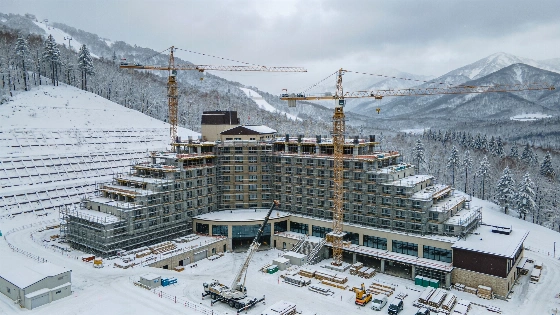
Fairmont, the Canadian luxury hotel brand, is set to open a 165-room resort in Hokkaido's Niseko ski region by 2028, targeting both international travelers and affluent Asian tourists as demand for premium accommodations rises in Japan's winter destinations
Fairmont Hotels & Resorts, a Canadian luxury hotel brand with roots dating back to 1886, is making a significant move into Japan's winter tourism market. The company, now part of the Accor group, has announced plans to open a new 165-room property in Niseko, Hokkaido, by early 2028. This expansion follows the upcoming launch of Fairmont Tokyo in 2025 and signals the brand's intent to capture a share of Japan's growing demand for high-end accommodations in popular ski destinations.
Niseko Draws Growing International Demand
Niseko, located on Japan's northern island of Hokkaido, has long been a favorite among Japanese skiers and travelers from nearby Asian countries. In recent years, the region has seen a surge in international visitors, particularly from North America and Australia, drawn by its reliable powder snow and expanding flight connections. Air Canada is set to launch the first direct flight from Vancouver to Sapporo in December 2026, making Hokkaido more accessible to U.S. and Canadian tourists seeking winter sports and luxury experiences.
Fairmont Niseko to Combine Ski Access With Luxury Amenities
The new Fairmont Niseko will be situated on a nine-acre woodland site between Mount Yotei and Mount Annupuri, offering guests proximity to the area's renowned ski slopes. While the property will not provide direct ski-in, ski-out access, it will offer shuttle service to major resorts such as Niseko Village and Hirafu. The hotel is designed to appeal to both avid skiers and travelers seeking a premium relaxation experience, with amenities including a spa and wellness club, a kids club, and traditional Japanese onsen bathhouses built around a natural hot spring.
Global Hotel Groups Target Japan's Tourism Growth
Fairmont's entry into Niseko comes as Japan's hospitality sector continues to attract global investment, especially in regions with strong seasonal tourism. According to the Japan National Tourism Organization, international arrivals to Japan reached over 25 million in 2023, with Hokkaido ranking among the top destinations for winter sports. The region's popularity has driven up demand for luxury accommodations, and major hotel groups are competing to secure prime locations ahead of future growth in inbound travel.
Fairmont Brings North American Resort Experience to Japan
Fairmont's strategy leverages its experience operating luxury ski and golf resorts in North America, such as Fairmont Lake Louise in Alberta and Fairmont Chateau Whistler in British Columbia. The company plans to bring its signature design and service standards to the Japanese market, adapting them to local preferences and cultural expectations. While details on room rates and specific amenities are still in development, the resort is expected to target affluent travelers from Asia-Pacific, North America, and Europe who are willing to pay a premium for exclusive experiences and high-quality service.
Improved Air Links Could Attract More U.S. Travelers
For U.S. travelers, the expansion of direct flights and the entry of established luxury brands like Fairmont could make Japan's ski regions more attractive alternatives to traditional North American destinations. The move also reflects a broader trend of international hotel groups investing in Japan's tourism infrastructure, betting on continued growth in both leisure and business travel. As competition intensifies, travelers may benefit from a wider range of options and potentially higher service standards, though prices in peak season are likely to remain elevated.
Hokkaido's Appeal Extends Beyond the Winter Season
While Fairmont's Niseko project is still several years from completion, its announcement highlights the ongoing transformation of Japan's hospitality landscape. The region's appeal extends beyond winter, with Hokkaido also drawing visitors for summer golf and outdoor activities. As the market evolves, travelers and investors alike will be watching how global brands adapt to local conditions and shifting demand patterns.
International Expansion Comes With Risks
Major international hotel brands have faced challenges when expanding into new markets, as seen when Bodean's BBQ, a London-based chain, closed all its locations after 24 years due to rising costs and changing consumer preferences. For Fairmont, success in Japan will depend on its ability to balance global standards with local expectations and to navigate the competitive pressures of a rapidly evolving tourism sector. A recent example from the hospitality industry underscores the risks of international expansion.
Accor Continues to Expand Its Luxury Portfolio
According to Accor's 2023 annual report, the group's luxury and premium segment, which includes Fairmont, generated over €2.5 billion in revenue, with Asia-Pacific accounting for a growing share of new openings. The company's expansion into Japan aligns with broader industry trends, as global hotel chains seek to diversify their portfolios and capture demand in high-growth travel markets. Investors and travelers should monitor how these developments affect pricing, availability, and the overall guest experience in Japan's most popular destinations.
What Fairmont Niseko Could Mean for Travelers and Investors
Luxury hotels operate in a highly cyclical market, where occupancy rates and room pricing can fluctuate sharply with changes in travel demand, exchange rates, and broader economic conditions. For investors, the success of new properties like Fairmont Niseko depends not only on location and brand strength but also on the ability to adapt to local regulations, labor markets, and consumer preferences. For travelers, the entry of global brands may offer more consistent service and amenities, but it can also drive up prices and competition for reservations during peak periods. Understanding these dynamics is essential for anyone considering travel or investment in the international hospitality sector.