Hotel Charlotte, a 105-year-old landmark near Yosemite National Park, has filed for Chapter 11 bankruptcy as rising costs and power outages strain its finances, highlighting the mounting pressure on small hospitality businesses in rural California
Hotel Charlotte, a century-old property serving as a key entry point for visitors to Yosemite National Park, has filed for Chapter 11 bankruptcy protection in the Eastern District of California. The filing, made on July 15, underscores the mounting financial stress facing small, independent hotels as they contend with persistent inflation, higher operating expenses, and unpredictable revenue streams.
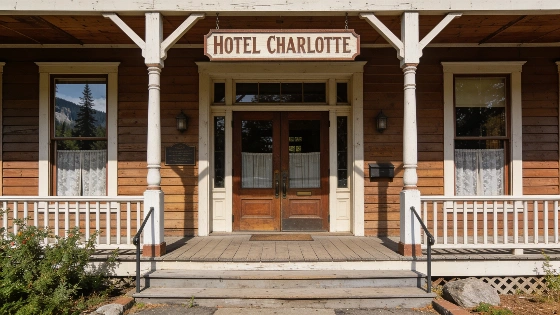
According to reporting by TheStreet, the owners of Hotel Charlotte disclosed assets and liabilities each ranging between $1 million and $10 million, with fewer than 50 creditors. The hotel, located in Groveland, California, sits just 24 miles from Yosemite's Big Oak Flat entrance and has long relied on seasonal tourism to sustain its operations. Built in 1921 and listed on the National Register of Historic Places, the property has operated continuously for over a century, weathering economic cycles and shifts in travel demand.
Financial Pressures and Operational Disruptions
The bankruptcy petition follows a period of repeated power outages in northern California during 2024 and 2025, which the owners say led to significant revenue losses, particularly from the hotel's restaurant. For rural hospitality businesses like Hotel Charlotte, such disruptions can have an outsized impact, especially when combined with rising labor, utility, and supply costs. The hotel's dependence on the summer influx of Yosemite visitors-over 75% of the park's annual guests arrive between June and August-means that any interruption during peak season can threaten its financial stability.
Despite the bankruptcy filing, Hotel Charlotte continues to operate and is still accepting reservations for its 13 guest rooms and suites. The property's website emphasizes its role as a family-owned, affordable base for travelers exploring Yosemite and the surrounding Sierra Nevada region. The current owners, Finn and Brennen Horsley, acquired the hotel in 2019 and have retained legal representation to guide the restructuring process.
Broader Industry Strains
Hotel Charlotte's situation is not unique. Over the past year, several hotels and resorts across North America have sought bankruptcy protection or closed entirely as inflation and shifting consumer spending patterns erode margins. In March 2026, two Miami Beach resorts filed for Chapter 11 within weeks of each other, while larger branded properties such as the Fairmont Breakers in Long Beach, California, and the Fairmont Château Montebello in Québec have also entered bankruptcy proceedings. The hospitality sector's recovery from the pandemic has been uneven, with smaller, independent operators often facing the greatest challenges in adapting to higher costs and volatile demand.
According to the U.S. Bureau of Labor Statistics, the Consumer Price Index for lodging away from home rose 4.2% year-over-year as of June 2026, reflecting ongoing cost pressures for hotels and motels. At the same time, rural and seasonal destinations have reported sharper swings in occupancy rates, making it harder for operators to forecast revenue and manage cash flow. For properties like Hotel Charlotte, which depend heavily on a narrow window of peak travel, even short-term disruptions can have lasting financial consequences.
Looking Ahead for Hotel Charlotte
The Chapter 11 process allows Hotel Charlotte to continue operating while it restructures its debts and seeks a path to financial stability. The outcome will depend on the hotel's ability to restore reliable operations, attract sufficient guest volume during the critical summer months, and negotiate terms with creditors. For travelers planning trips to Yosemite, the hotel remains open, but its long-term future will hinge on both external factors-such as regional infrastructure reliability-and internal management decisions.
As the hospitality industry continues to adapt to economic headwinds, the experience of Hotel Charlotte highlights the vulnerability of small, historic properties in rural markets. Owners and operators must balance the preservation of local heritage with the financial realities of running a business in an increasingly challenging environment.
Chapter 11 bankruptcy is a legal process that enables businesses to reorganize their debts while continuing to operate. Unlike Chapter 7, which involves liquidation, Chapter 11 is designed to give companies time to restructure and potentially return to profitability. For hotels and other seasonal businesses, this can provide a critical window to address operational challenges, renegotiate contracts, and implement cost-saving measures. However, success is not guaranteed, and the process often requires difficult trade-offs between preserving jobs, maintaining service quality, and satisfying creditors' demands.