Retiring in Sarasota means paying above-average housing and food costs, but Florida's lack of state income tax and generous property exemptions can offset some expenses for retirees seeking an active lifestyle
Sarasota has become a magnet for retirees seeking a blend of cultural amenities, outdoor recreation, and tax-friendly policies. Located on Florida's Gulf Coast about an hour south of Tampa, the city consistently ranks among the top retirement destinations in the U.S. But while Sarasota offers a vibrant lifestyle, the financial trade-offs are significant-especially when it comes to housing and everyday expenses.
Housing and Cost Pressures
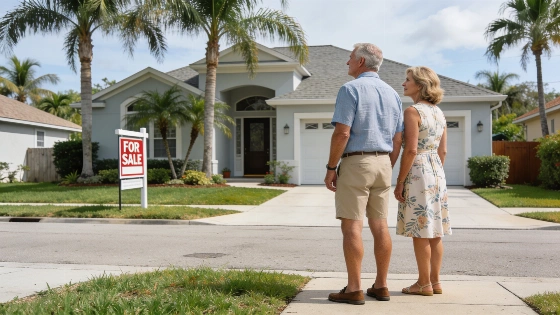
Homebuyers in Sarasota face prices well above the national average. As of March 2026, the median home sale price reached $413,167, according to reporting by [SITE NAME]. Neighborhoods like Hammocks command average home prices near $891,500, while more affordable areas such as Lake Sarasota average around $387,400. Condos in The Meadows can be found between $150,000 and $250,000, but single-family homes there typically range from $300,000 to $500,000. Sarasota also features a wide selection of 55+ communities, with options like The Isles at Palmer Ranch and Del Webb Lake Wood offering homes starting in the high $200,000s to mid-$400,000s. Overall, the city's cost of living is about 8% higher than the U.S. average, and food costs are nearly 19% above national norms. These figures mean retirees need to budget carefully, especially if they are relocating from lower-cost regions.
Tax Advantages and Exemptions
Despite higher living expenses, Florida's tax structure provides meaningful relief for retirees. The state does not levy an income tax, so Social Security benefits, pensions, and withdrawals from retirement accounts are not taxed at the state level. Property owners may benefit from a $50,000 homestead exemption, and additional exemptions are available for residents age 65 and older who meet certain criteria. Florida also does not impose estate or inheritance taxes, which can be a significant consideration for those planning to leave assets to heirs. These policies can help offset some of the premium retirees pay for Sarasota's lifestyle, but the net benefit depends on individual circumstances, including home value and income sources.
Cultural and Outdoor Appeal
Sarasota's reputation as "Florida's Cultural Coast" is supported by a robust arts scene, including the John and Mable Ringling Museum of Art, the Sarasota Opera, and annual events like the Sarasota Music Festival and Sarasota Film Festival. The city's beaches, particularly Siesta Key and Lido Key, are nationally recognized for their beauty and recreational opportunities. Residents can access more than a dozen marinas and yacht clubs, as well as golf courses and extensive walking and biking trails. The climate allows for year-round outdoor activity, though hurricane season from mid-August through late October brings periodic weather risks that homeowners and renters should factor into insurance and emergency planning.
Everyday Living and Healthcare
Downtown Sarasota is known for its walkability and diverse dining options, with seafood restaurants and open-air cafes drawing both locals and visitors. Shopping districts like St. Armands Circle and The Shoppes at University Center offer alternatives to traditional malls. The city is rated as "very bikeable" by Walk Score, and most neighborhoods are within a short drive of downtown amenities. Healthcare access is another strength, with Sarasota Memorial Hospital recognized among the top 250 hospitals in the country for three consecutive years and 48 hospitals located within 50 miles. The area also offers a range of specialist practices and urgent care centers, which is a key consideration for retirees managing chronic conditions or seeking preventive care.
According to the National Association of Realtors, the median existing-home price in the South reached $374,300 in March 2026, up 4.2% from a year earlier. Sarasota's median price outpaces both the regional and national averages, reflecting sustained demand from retirees and second-home buyers. Florida's population growth continues to drive housing competition, with the state adding more than 300,000 new residents in 2025, based on Census Bureau estimates. These trends have contributed to rising property values and limited inventory in popular retirement markets like Sarasota.
For retirees evaluating a move to Florida, understanding the interplay between cost of living and tax policy is essential. While the absence of state income tax and generous property exemptions can provide meaningful savings, higher housing and food costs may erode some of those benefits. Prospective residents should also consider the impact of insurance premiums, especially for properties near the coast, as well as the potential for hurricane-related disruptions. Comparing total annual expenses-including taxes, housing, insurance, and healthcare-can help retirees determine whether Sarasota's lifestyle and amenities justify the premium over other destinations.