Southern cities attract retirees with affordable housing and no state income tax in places like Texas, but higher property taxes and car-dependent lifestyles can offset savings for those considering a move
Retirement planning increasingly means weighing not just how much you've saved, but where you'll spend those years. For many Americans, the South stands out for its combination of lower housing costs, milder winters, and, in some states, tax structures that can stretch retirement dollars further. According to a report from Investopedia, cities across Texas, Tennessee, Virginia, and even coastal Delaware are drawing retirees seeking a balance between affordability and access to essential services.
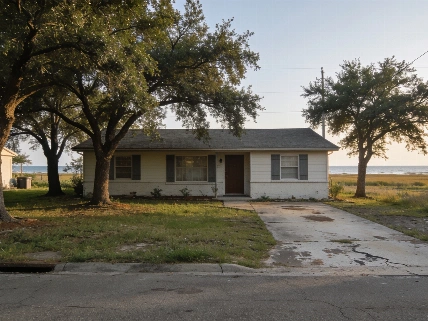
One of the most significant financial advantages in the South is the cost of housing. In many southern metros, home prices remain well below those in the Northeast or West Coast, even in areas experiencing population growth. For example, cities like Kingsport and Knoxville in Tennessee offer not only lower home prices but also reduced costs for utilities and everyday services compared to northern cities of similar size. This can make a substantial difference for retirees living on fixed incomes or drawing from retirement accounts.
Tax Structures and Affordability
Tax policy is another major factor. Texas and Tennessee, for instance, do not levy a state income tax, which means Social Security benefits, 401(k) withdrawals, and pension income are not taxed at the state level. This can result in thousands of dollars in annual savings for some retirees. Texas, in particular, offers a wide range of affordable cities, from Edinburg and McAllen in the Rio Grande Valley-consistently among the lowest-cost markets in the country-to suburbs like Carrollton and Katy that provide access to larger urban centers without the same price premium.
Yet, these tax benefits come with trade-offs. Texas has the highest property taxes in the South and ranks seventh nationally, which can erode some of the income tax savings, especially for homeowners. Retirees considering a move should carefully compare total tax burdens, including sales and property taxes, rather than focusing solely on income tax rates.
Access to Healthcare and Daily Living
Healthcare access is a critical consideration for retirees. While major southern cities like Houston and Nashville are home to large hospital networks and specialized care, smaller towns such as Paris, Tennessee, or Eagle Pass, Texas, may require residents to travel for advanced medical services. For retirees with ongoing health needs, proximity to quality healthcare can outweigh some cost advantages.
Another practical issue is transportation. Many southern cities are designed around car travel, with limited public transit options even in larger metros. For retirees who prefer not to drive or may lose the ability to do so, this can pose challenges for daily living and access to services. Evaluating walkability, ride-share availability, and proximity to amenities is essential before relocating.
Regional Variety and Practical Choices
The South is not a monolith. The region includes everything from the Atlantic coastlines of Delaware to the fast-growing cities of South Texas and the midsized urban centers of Virginia and Tennessee. Each area offers a different mix of cost, climate, and access to services. For example, Delaware's Rehoboth Beach and Lewes provide coastal living with relatively affordable homes, while cities like Lynchburg and Roanoke in Virginia offer small-city amenities at a lower price point than many northern counterparts.
According to the U.S. Census Bureau, the South continues to see strong population growth among older Americans. This trend is reflected in housing market data: as of the fourth quarter of 2025, the median home price in the South was $347,000, compared to $428,000 in the West and $389,000 in the Northeast, based on National Association of Realtors figures. These price differences can have a lasting impact on retirement budgets, especially for those selling higher-priced homes in other regions and relocating south.
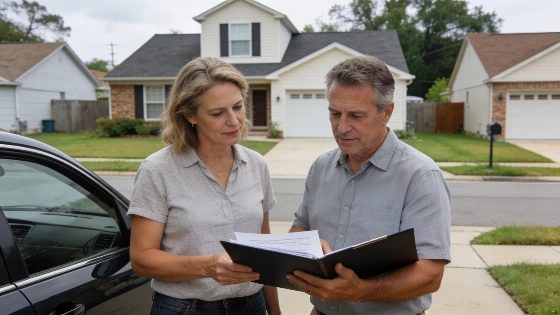
For retirees, the decision to move to the South involves more than just chasing lower costs. It requires a careful look at total tax exposure, healthcare access, transportation needs, and the day-to-day realities of life in a new region. While the South offers a range of attractive options, the best fit depends on individual priorities and financial circumstances.
Property taxes are a recurring concern for retirees evaluating southern destinations. Unlike income taxes, which can be avoided in certain states, property taxes are tied directly to homeownership and can rise with local assessments. Some states offer homestead exemptions or senior tax relief programs, but eligibility and savings vary widely. Prospective movers should research local tax policies and factor in not just the initial cost of a home, but the ongoing annual tax burden when comparing locations.