Retirees in Hialeah, Florida, benefit from lower healthcare costs, a strong Hispanic community, and a cost of living 6% below Miami's, but face higher property taxes and housing prices above the national average
Hialeah, Florida, has emerged as a notable destination for retirees seeking a blend of affordability, cultural vibrancy, and access to healthcare. As the sixth-largest city in the state and part of Miami-Dade County, Hialeah stands out for its substantial Hispanic population and a lifestyle that balances urban amenities with a sense of community. According to Investopedia, the city's appeal is rooted in its diverse housing options, robust local services, and a cost structure that offers meaningful savings compared to neighboring Miami.
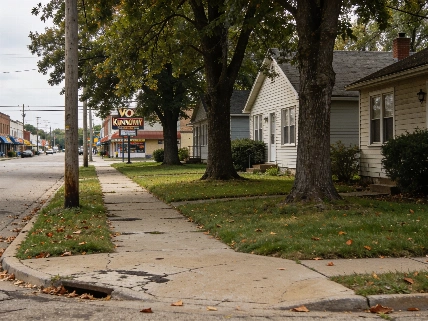
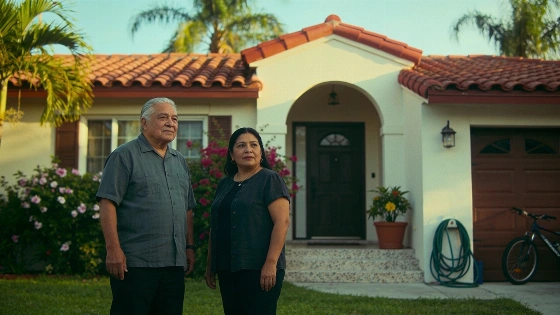
Roughly one in five Hialeah residents is over age 65, reflecting the city's established reputation as a retirement hub. The area's history is closely tied to Cuban immigration, and today more than 94% of the population identifies as Hispanic, creating a distinctive cultural environment. Neighborhoods like Palm Springs feature midcentury ranch homes with Spanish colonial details, while a range of apartments and single-family houses cater to different budgets and preferences. Community events, such as the Art on Palm Festival and Hialeah Fest, reinforce local ties and provide retirees with regular opportunities for social engagement.
Cost of Living and Housing
While Hialeah's median home price of $611,281 is lower than in Miami Beach or Miami proper, it remains about 14% above the national average. Renters face a median monthly rent of $1,835, and energy bills typically run $227 per month. Food and groceries cost about 9% more than the national average, but the overall cost of living in Hialeah is 6% lower than in Miami, offering some relief for those on fixed incomes. Florida's lack of state income, inheritance, and estate taxes is a significant draw for retirees, but property taxes in Hialeah are higher than the state average, with a median effective rate of 1.19% compared to Florida's 0.74%.
For retirees weighing the trade-offs, the city's affordability is nuanced. While housing and daily expenses are more manageable than in many other parts of South Florida, the higher property tax rate can offset some of those savings, especially for homeowners. Renters may find more predictable costs, but should factor in the area's above-average rents and utility expenses when budgeting for retirement.
Healthcare Access and Senior Services
Healthcare is a key advantage for Hialeah residents, with costs estimated at 18% below the national average. The city is served by three award-winning hospitals-Larkin Hospital Palm Springs, Palmetto General Hospital, and Hialeah Hospital-along with several additional facilities within city limits. For veterans, a VA medical center in Miami and nearby clinics provide further options. Most healthcare providers are accessible via public transportation, which is especially valuable for seniors who may not drive.
Hialeah also supports retirees through four senior centers offering daily meals, fitness classes, arts and crafts, and technology instruction. The city maintains 15 parks, two tennis centers, and seven pools, providing ample opportunities for recreation and social activity. These amenities, combined with the city's walkability and on-demand Freebee transportation service, help older adults remain active and connected.
Community, Climate, and Practical Considerations
Hialeah's strong sense of community is reinforced by its cultural events, music, and cuisine, reflecting the city's Hispanic heritage. The area's walkability, with a Walk Score of 74, and recent investments in pedestrian infrastructure make it easier for retirees to navigate daily life without relying solely on cars. Commute times average just over 27 minutes, and the city's proximity to major highways allows for convenient travel throughout Miami-Dade County.
The climate offers year-round warmth, with average summer highs around 83°F and winter lows near 71°F. While the absence of heavy beach tourism keeps the atmosphere relaxed, residents should be aware of the risk of flooding during heavy rains due to the city's flat terrain and limited drainage. These environmental factors may influence insurance costs and should be considered when evaluating long-term housing options.
According to the U.S. Census Bureau, Florida's population aged 65 and older reached 4.6 million in 2023, making it the state with the highest proportion of seniors nationwide. This demographic trend has driven demand for retirement-friendly communities like Hialeah, where local governments and healthcare providers have expanded services to meet the needs of older adults. As the retiree population grows, competition for affordable housing and access to medical care may intensify, underscoring the importance of careful planning for those considering a move.
Property taxes are a recurring expense that can significantly affect the total cost of homeownership in retirement. In Florida, the absence of state income tax is often cited as a benefit, but local property tax rates vary widely and can offset savings elsewhere. Retirees should compare not only home prices but also ongoing tax liabilities, insurance premiums, and utility costs when evaluating potential destinations. Understanding these trade-offs is essential for making informed decisions about where to live in retirement.