
Money market accounts are offering rates near 4%, far outpacing traditional savings accounts. See how much interest a $1,000 deposit could generate in just a few months—and what risks and trade-offs savers should weigh before moving cash
For Americans who have managed to set aside $1,000, deciding where to keep that cash has become more consequential as interest rates remain elevated and inflation pressures persist. While a traditional savings account still offers a safe place for emergency funds, its average annual percentage yield (APY) remains stubbornly low—often below 0.40% at many large banks. In contrast, money market accounts are now paying rates close to 4%, making them a compelling option for savers seeking higher returns without sacrificing liquidity.
Money market accounts function much like savings accounts but typically offer higher yields, especially in a rising rate environment. Unlike certificates of deposit (CDs), which require locking up funds for a set term, money market accounts allow easier access to cash, often with check-writing privileges and debit card access. This flexibility can be valuable for those who want to earn more on their savings without giving up the ability to tap funds for unexpected expenses.
Comparing Interest Earnings
To illustrate the difference, consider a $1,000 deposit. At a 3.90% APY, a money market account would generate about $6.40 in interest after two months, $12.83 after four months, and $19.31 after six months—assuming no withdrawals or fees and that the rate remains unchanged. By comparison, the same $1,000 in a traditional savings account earning 0.38% APY would yield just $0.63, $1.27, and $1.90 over those same periods, respectively. While the absolute dollar amounts may seem modest, the gap between the two account types is significant, especially as balances grow or if rates rise further.
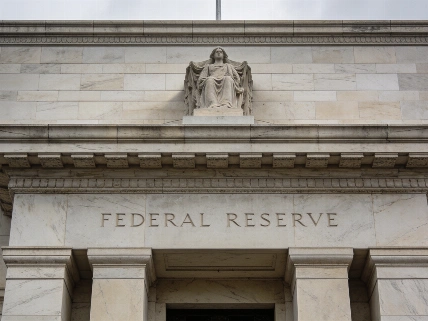
It’s important to note that money market account rates are variable and can change with broader interest rate movements. If the Federal Reserve raises rates again, yields on these accounts could climb higher, but they can also fall if the rate environment shifts. Savers should also review account terms for minimum balance requirements, monthly fees, and transaction limits, as these can erode returns or restrict access to funds.
Current Rate Environment
According to the Federal Deposit Insurance Corporation (FDIC), the national average rate for savings accounts was just 0.45% APY as of May 2026, while many online banks and credit unions are offering money market accounts with APYs between 3.75% and 4.10%. These elevated rates reflect the Federal Reserve’s policy stance, which has kept benchmark interest rates at multi-year highs to combat persistent inflation. As a result, consumers who shop around can find substantially better yields than those offered by traditional brick-and-mortar banks.
Online marketplaces and comparison tools make it easier to identify top-paying accounts, but not all money market accounts are created equal. Some require higher minimum deposits or restrict the number of monthly transactions, while others may charge fees if balances dip below a certain threshold. Savers should weigh these factors alongside the headline rate to ensure the account fits their needs.
Making the Most of Your Savings
For those with modest balances, the main limitation on interest earnings is the size of the deposit, not the rate itself. Even so, moving cash from a low-yield savings account to a money market account can meaningfully boost returns over time, especially if rates remain elevated or rise further. The flexibility to access funds without penalty also makes money market accounts a practical choice for emergency savings or short-term goals.
Before transferring funds, review the account’s terms and conditions, including any potential fees, transaction limits, and insurance coverage. Most money market accounts at FDIC-insured banks or NCUA-insured credit unions offer the same federal deposit protection as savings accounts, up to $250,000 per depositor, per institution, per ownership category.
While no account can fully shield savers from inflation’s impact, maximizing interest on idle cash is one way to help preserve purchasing power. As the rate environment evolves, regularly reviewing where your savings are parked can ensure you’re not leaving money on the table.
Money market accounts occupy a unique space between checking and savings accounts, blending higher yields with greater liquidity than most CDs. They are subject to federal regulations that may limit certain types of withdrawals or transfers, but these restrictions have eased in recent years. For savers who want to earn more without sacrificing access, understanding the trade-offs and features of money market accounts is essential to making informed decisions about where to keep cash reserves.