
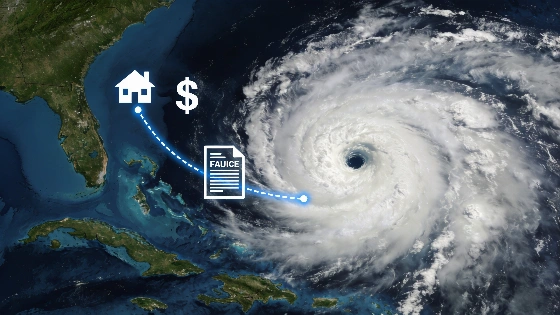
Hurricane Fausto has intensified in the Pacific, with forecasters warning of increased wind and rainfall threats for Hawaii next week. U.S. investors and insurers are watching for potential impacts on travel, property, and local economies
Hurricane Fausto has strengthened into a Category 2 storm in the Pacific Ocean, prompting renewed attention from U.S. insurers, investors, and residents with ties to Hawaii and the West Coast. The National Hurricane Center reports that Fausto is currently about 1,300 miles west of the southern tip of Mexico's Baja California peninsula and roughly 1,600 miles east of Hilo, Hawaii. With maximum sustained winds near 100 mph, the storm's projected path could bring hazardous conditions to the Hawaiian Islands as early as next week, though the precise track and severity remain uncertain.
For U.S. households and businesses with property or travel plans in Hawaii, the evolving forecast raises questions about insurance coverage, potential disruptions, and the cost of storm-related damage. While Fausto remains far from land, the National Hurricane Center has cautioned that swells generated by the hurricane may reach parts of southern California, increasing the risk of dangerous surf and rip currents. Such conditions can affect coastal businesses, tourism, and local infrastructure, even if the storm does not make direct landfall.
Recent years have seen a rise in insured losses from hurricanes and tropical storms in the United States, with the Insurance Information Institute reporting that 2022 hurricane-related insured losses exceeded $60 billion nationwide. While Hawaii is less frequently impacted by major hurricanes than the Gulf or Atlantic coasts, the state's exposure to Pacific storms has prompted insurers to reassess risk models and policy pricing. Homeowners and renters in affected areas are encouraged to review their insurance policies for wind and flood coverage, as standard policies often exclude certain types of storm damage.
Fausto's development comes as Tropical Storm Bertha, which recently moved along the Gulf Coast, brought heavy surf and localized flooding to parts of Louisiana and Texas before dissipating. The back-to-back activity highlights the volatility of the 2026 hurricane season and the need for financial preparedness among residents and businesses in vulnerable regions. For investors, the potential for storm-related claims can influence the short-term performance of insurance stocks and municipal bonds tied to affected areas, while travel and hospitality companies may face booking cancellations or operational disruptions if the storm's path shifts closer to populated islands.
Hurricane insurance in the United States typically involves a combination of standard homeowners coverage and specialized wind or flood policies, depending on the region and insurer. In Hawaii, many policies require separate deductibles for hurricane damage, and flood insurance is often purchased through the National Flood Insurance Program. Policyholders should be aware of waiting periods for new coverage and the limitations of existing policies, especially as storms approach. For those with upcoming travel to Hawaii, airlines and hotels may adjust change and cancellation policies in response to official storm warnings, but coverage for trip interruptions often depends on the timing and terms of individual travel insurance plans.
As the Pacific hurricane season continues, financial institutions, insurers, and emergency planners will monitor Fausto's progress and update risk assessments accordingly. While the storm's ultimate impact on Hawaii and the U.S. mainland remains to be seen, the episode underscores the importance of reviewing insurance coverage, understanding policy exclusions, and maintaining emergency savings to manage the financial fallout of severe weather events.
Hurricane risk modeling is a complex process that incorporates historical storm data, climate trends, property values, and local infrastructure resilience. Insurers use these models to set premiums, determine coverage limits, and manage their own risk exposure through reinsurance and capital reserves. For consumers, understanding the difference between wind, flood, and hurricane coverage is critical, as gaps in protection can lead to significant out-of-pocket costs after a major storm. The evolving nature of climate-related risks has led some insurers to adjust underwriting standards or withdraw from high-risk markets, making it essential for policyholders to stay informed about changes in coverage availability and pricing.