Apple's iPhone 18 Pro is expected to feature a larger main camera, a new in-house C2 modem, improved battery life, and a redesigned Dynamic Island, signaling a shift in both hardware and user experience for premium smartphone buyers
Apple is preparing to launch the iPhone 18 Pro, and early details suggest the company is making some of its most significant hardware changes in years. For U.S. consumers weighing an upgrade, the new model could bring both practical benefits and new trade-offs, especially for those who prioritize camera performance, battery life, and network reliability.
Camera Hardware and Design
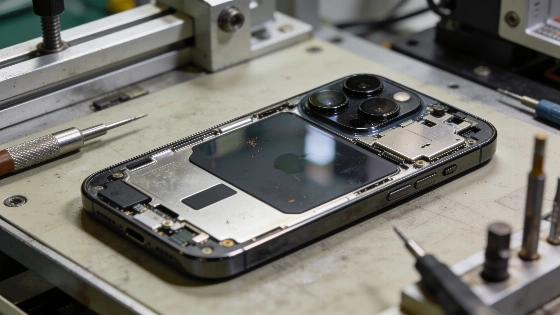
The iPhone 18 Pro is expected to feature a substantially larger main camera module, resulting in a thicker camera plateau on the back of the device. This design change is reportedly driven by Apple's push for a variable aperture system and other advanced camera hardware, which could improve low-light performance and image flexibility. While Apple has made incremental camera improvements in recent years, the scale of this year's main camera upgrade stands out, potentially making the device more appealing to users who rely on their phones for high-quality photography and video.
Alongside the camera overhaul, Apple is introducing a new color option-Dark Cherry-marking the first time a red shade has appeared on a Pro model. The company is also shrinking the Dynamic Island, the interactive display cutout, by about 35%. These design changes may influence both the device's aesthetics and its usability, especially for consumers who value a distinctive look or more screen real estate.
Connectivity and Battery Life
One of the most notable technical shifts is Apple's move to its own C2 modem, replacing Qualcomm chips in the Pro lineup. This transition follows the company's earlier adoption of in-house modems in lower-tier models. The C2 modem is expected to deliver improved battery efficiency, more reliable connectivity in challenging environments, and a new privacy feature called 'Limit Precise Location.' For users in areas with spotty coverage or those concerned about data privacy, these changes could be meaningful.
Battery life is another area where Apple is aiming to set a new benchmark. The iPhone 18 Pro Max, in particular, is rumored to include a battery roughly 10% larger than its predecessor, supported by the new C2 modem and the A20 Pro chip. If realized, this could extend daily usage for power users and reduce the frequency of charging, a practical benefit for anyone who relies on their phone for work or travel.
Market Context and Consumer Impact
Apple's iPhone business remains a major driver of its financial results. In its most recent quarterly report, Apple's iPhone revenue reached $51.3 billion for the quarter ending March 30, 2024, accounting for more than half of the company's total revenue. The company's ability to differentiate its premium models with new hardware and features is critical to maintaining its pricing power and market share, especially as U.S. consumers face higher upgrade costs and longer replacement cycles.
For buyers, the decision to upgrade to the iPhone 18 Pro will likely hinge on whether the new features justify the expected price premium. While advanced camera systems and longer battery life may appeal to some, the physical changes-such as a thicker camera bump-could be a drawback for others. The introduction of Apple's own modem also raises questions about real-world performance and compatibility, especially in the early stages of deployment.
As with previous launches, Apple's strategy appears focused on pushing the boundaries of hardware while offering incremental improvements in user experience. For consumers, the practical value of these changes will depend on individual needs, usage patterns, and willingness to pay for the latest technology.
Apple's approach to in-house chip and modem development reflects a broader trend among major tech companies seeking greater control over their supply chains and product differentiation. By designing its own components, Apple can optimize performance, security, and integration across its devices. However, such transitions also carry risks, including potential compatibility issues and the challenge of matching or exceeding the reliability of established suppliers. For consumers, these shifts may result in better battery life, new privacy features, and unique design options-but also require careful consideration of how new hardware will perform in everyday use.