Iran's push to control the Strait of Hormuz is driving up energy prices, straining its own economy, and creating new risks for U.S. markets and global trade as the conflict drags on
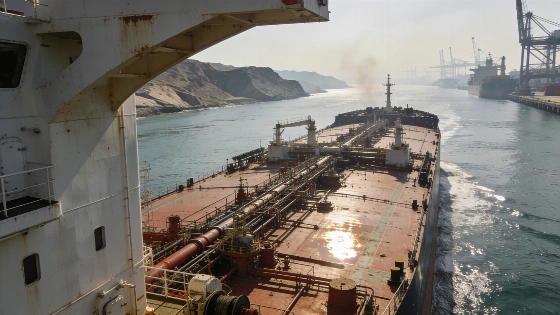
The ongoing standoff over the Strait of Hormuz is reshaping global energy markets and exposing new vulnerabilities for both Iran and the United States. Iran's leadership is betting that sustained military and economic pressure will force the U.S. to accept its control over this critical waterway, which handles about 20% of the world's traded oil and gas. The strategy hinges on the belief that time and market forces are on Iran's side, especially as U.S. weapon stockpiles dwindle and American public support for the conflict remains low ahead of key elections.
Iran's approach is not without significant risks. The U.S. has responded with targeted strikes that have weakened Iran's military leadership and infrastructure, while maintaining a naval blockade that has sharply reduced Iran's oil exports. The resulting economic strain is severe: triple-digit food inflation and a battered currency have fueled domestic unrest, with mass protests erupting in recent months. The Iranian government faces a delicate balance between leveraging its strategic position and managing the risk of further economic collapse or renewed internal dissent.
Energy Markets Under Pressure
Disruptions in the Strait of Hormuz have immediate consequences for global energy prices. With the waterway largely closed, oil and gas prices have remained elevated, adding to inflationary pressures in the U.S. and abroad. The uncertainty has also complicated supply chains, raising costs for businesses and consumers. For U.S. households, higher fuel prices translate into increased transportation and goods costs, while investors face heightened volatility in energy and shipping stocks.
Iran's negotiations with Oman to jointly manage the strait could formalize its control, but Tehran has set steep conditions for reopening the waterway, including the end of U.S. military operations, lifting of sanctions, and compensation for war damages. Such demands have so far gone unanswered by the White House, leaving the prospect of a diplomatic breakthrough uncertain. Meanwhile, Iran's regional allies, including the Houthis in Yemen, threaten to widen the conflict and disrupt additional trade routes, further complicating the outlook for global commerce.
Domestic and International Fallout
The economic impact of the conflict is particularly acute within Iran. U.S. and Israeli strikes have damaged key industrial assets, and the blockade has choked off much of Iran's export revenue. The resulting inflation and currency instability have eroded household purchasing power, while the government's crackdown on protests has drawn international condemnation. Even among Iran's political elite, there are concerns that the current strategy could backfire if economic conditions deteriorate further or if the U.S. escalates its response.
For U.S. investors, the situation introduces new layers of geopolitical risk. Energy sector volatility, potential supply shocks, and the threat of broader regional conflict all weigh on market sentiment. Companies with exposure to global shipping, energy infrastructure, or Middle Eastern trade routes may face increased costs and operational uncertainty. At the same time, the conflict has pushed the long-running dispute over Iran's nuclear program to the sidelines, potentially giving Tehran additional leverage in future negotiations.
Market Data and Broader Implications
According to the U.S. Energy Information Administration, the Strait of Hormuz accounted for the transit of roughly 21 million barrels of oil per day in 2023, representing about one-fifth of global petroleum liquids consumption. Since the conflict escalated, Brent crude prices have traded above $100 per barrel for extended periods, contributing to higher gasoline prices in the U.S. and globally. The International Monetary Fund has warned that prolonged disruptions could shave up to 0.5 percentage points off global GDP growth if energy prices remain elevated.
As the standoff continues, both Iran and the U.S. face difficult choices. Iran's leaders may see strategic value in maintaining pressure, but the economic and political costs are mounting. For U.S. policymakers and investors, the situation underscores the importance of energy diversification, supply chain resilience, and careful monitoring of geopolitical flashpoints that can quickly ripple through markets and household budgets.
The Strait of Hormuz is a classic example of a geopolitical chokepoint-an area where a single disruption can have outsized effects on global trade and energy flows. Control over such chokepoints gives countries leverage but also exposes them to retaliation, market backlash, and unintended consequences. For investors and policymakers, understanding the mechanics of these strategic locations is essential for assessing risk and preparing for sudden shifts in the global economic landscape.