Spot silver has fallen sharply from its January high. Election risk could bring buyers back, though the iShares Silver Trust's 0.50% fee and elevated bond yields complicate the case.
Spot silver closed at $59.935 on October 1, roughly 50% below its January 2026 high near $121.65, according to MEXC Alpha Trader Research. That drop has lowered the entry price, but it has not removed the pressures behind the decline.
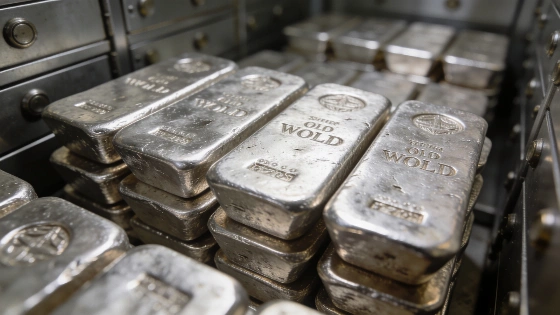
The iShares Silver Trust (NYSEMKT: SLV) offers exposure to the metal, though it is no dependable hedge on its own. Its year-to-date loss and five-year gain tell very different stories, and both matter when weighing a pullback against the possibility of further losses.
On October 8, silver fell to about $59 an ounce, its lowest level since early August, as a strong dollar and expectations of further Federal Reserve rate increases weighed on the metal.
Election risk could shift demand
If Democrats regain control of the House or Senate, or both, the political climate could change. The result is uncertain, and markets will not necessarily react in a predictable way. Still, political turmoil or pressure on market valuations could send some investors toward assets they regard as safe havens, including silver-related investments.
The broader election-market setup in midterm rally analysis concerns stocks. Silver's appeal depends more directly on uncertainty and competition from interest-bearing assets. A shift into silver is possible, but political headlines alone do not show that the metal is undervalued.
Strong demand at a 30-year Treasury auction helped long-term yields retreat from their highs. Silver subsequently moved back above $60 as yields eased.
Yields remain the counterweight
Silver pays no interest, so bond yields sit at the center of the investment case. Yields on 10-year Treasuries temporarily reached 5.36%, their highest level since April 2002, while two-year yields stayed around 4.80% to 4.83%, according to SMM's macro analysis. At those levels, bonds offer income that silver cannot. Even rising political anxiety may not lift the metal if yields stay high.
The reverse could help silver: easing inflation and falling yields would reduce competition from bonds. That remains a conditional scenario, not a forecast. The available information does not establish that inflation will decline or yields are about to turn lower, so neither outcome is grounds to assume a rebound.
Recent trading shows how quickly the balance can shift. On October 12, silver held above $61 an ounce after recovering from a two-month low near $59. The 10-year Treasury yield had eased to about 5.24% from its 5.36% peak, while oil prices weakened, according to TradingPedia's market update. A bounce after a sell-off does not establish that the longer-term headwinds have disappeared.
What SLV's record says
SLV is down 21% since the start of the year but remains up 160% over five years. The trust reports $30 billion in assets under management and charges a 0.50% expense ratio, a recurring cost that reduces returns over time.
Those figures cover different time horizons, not a clear signal about what comes next. A five-year gain does not protect investors from further declines, and a steep drop does not prove silver is cheap. SLV can add silver exposure to a portfolio, but its value will still move with the metal and can be volatile. Diversification does not eliminate that risk.
Silver belongs in a portfolio only if its potential role justifies its volatility and fee for that investor's goals and time horizon. The midterm scenario gives the metal a possible catalyst, while bond yields remain an obstacle. The available evidence does not support treating SLV as a reliable stand-alone hedge or assuming a rebound.
As of October 8, the iShares Silver Trust held 15,341.06 tonnes of silver, up 29.49 tonnes from the previous trading day, according to Futunn's holdings report. That figure describes the trust's metal holdings; it does not establish the fund's performance over one or five years.