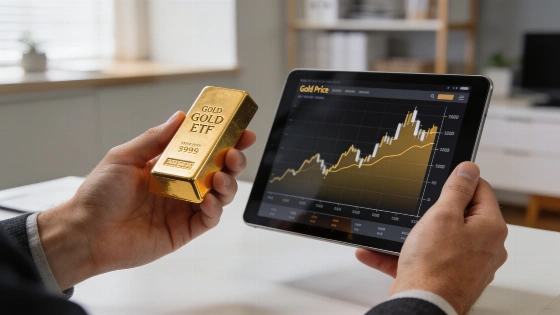
With inflation running above the Federal Reserve's 2% target and gold prices off recent highs, investors are weighing whether the SPDR Gold Shares ETF offers a timely hedge or faces headwinds from potential rate hikes
Gold has long been viewed as a safe-haven asset, especially during periods of elevated inflation and economic uncertainty. While gold itself does not generate income or dividends, its scarcity and historical role as a store of value have made it a popular choice for investors seeking to preserve purchasing power. With the Consumer Price Index (CPI) recently tracking at an annualized rate of 3.5%-well above the Federal Reserve's 2% target-interest in gold and gold-backed funds has intensified.
The SPDR Gold Shares ETF (GLD) is one of the largest and most liquid gold ETFs, designed to mirror the price movements of physical gold. After a sharp rally last year, when GLD surged by 64%, the fund has since given back about a quarter of its peak value. This pullback has prompted some investors to consider whether the current environment presents a buying opportunity or signals further volatility ahead.
Inflation, Policy, and Gold's Appeal
Inflation erodes the purchasing power of cash, making hard assets like gold more attractive to those looking to hedge against rising prices. Historically, gold has tended to perform well during periods of persistent inflation, as its value is not directly tied to corporate earnings or economic growth. The U.S. government's ongoing fiscal deficits-$1.8 trillion in fiscal 2025 and another trillion-dollar gap projected for 2026-have added to concerns about future inflation and the potential for currency devaluation.
Federal Reserve policy is a key variable. With inflation running above target, Fed officials, including Chairman Kevin Warsh, have signaled the possibility of further interest rate hikes to bring price growth under control. Higher rates can strengthen the dollar and increase the opportunity cost of holding non-yielding assets like gold, at least in the short term. This dynamic helps explain some of the recent weakness in gold prices, as markets anticipate tighter monetary conditions.
Gold's Long-Term Track Record
While gold's price can be volatile over short periods, its long-term performance has been more measured. Over the past 50 years, gold has delivered a compound annual return of about 7.4%, according to historical market data. This is well below the outsized gains seen in 2025, and investors should not expect such rapid appreciation to repeat regularly. Gold's value is driven by its limited supply-only about 219,890 tons have ever been mined-and by its enduring role as a reserve asset for central banks and governments.
Unlike stocks or real estate, gold does not produce income, which is why some prominent investors, such as Warren Buffett, have historically avoided it. Its appeal is rooted in scarcity and the perception that it can hold value when fiat currencies are under pressure. The U.S. dollar, for example, has lost roughly 90% of its purchasing power since the gold standard was abandoned in 1971, a period during which gold prices have risen substantially in nominal terms.
For those interested in diversified investing, it's worth noting that different asset classes respond to inflation and interest rates in distinct ways. While gold may offer protection against inflation, equities and real estate can provide growth and income, especially over longer horizons. As discussed in our analysis of long-term ETF investing strategies, such as in the Vanguard Russell 1000 Growth ETF, asset allocation decisions should reflect individual goals, risk tolerance, and time frame.
Practical Considerations for Gold ETF Investors
Buying physical gold can be costly and inconvenient due to storage and insurance requirements. The SPDR Gold Shares ETF offers a more accessible alternative, allowing investors to gain exposure to gold's price movements through a standard brokerage account. GLD's expense ratio is 0.4%, meaning a $10,000 investment incurs $40 in annual fees-typically less than the costs associated with storing physical bullion.
Liquidity is another advantage. Shares of GLD can be bought and sold throughout the trading day, providing flexibility that physical gold cannot match. However, investors should be aware that ETF shares do not entitle them to take delivery of actual gold, and the fund's price may not always perfectly track the spot price due to market factors and fund expenses.
As of June 2026, the SPDR Gold Shares ETF remains one of the most widely held gold funds, with daily trading volumes often exceeding several million shares. The fund's assets under management and trading activity reflect ongoing demand for gold exposure, particularly during periods of heightened inflation and policy uncertainty.
Gold's role in a portfolio is often as a diversifier and inflation hedge rather than a primary growth engine. While it can help reduce overall volatility and protect against currency risk, its lack of income and sensitivity to interest rates mean it may not suit every investor's objectives. Those considering gold ETFs should weigh the trade-offs between potential inflation protection, opportunity cost, and the impact of fund fees over time.