Jeff Bezos is investing in Liverpool FC, joining a wave of U.S. capital targeting European soccer. The deal includes a potential $8 billion buyout option, raising questions about sports valuations and future media rights
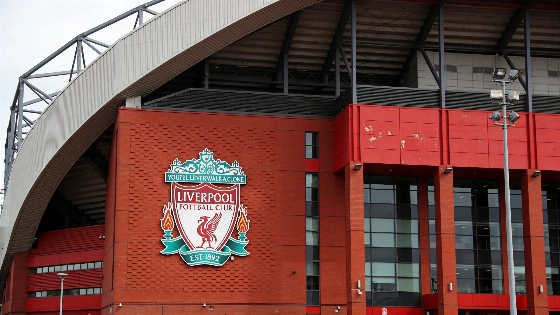
There comes a point when the world's wealthiest individuals run out of traditional investment opportunities. For Jeff Bezos, that moment appears to have arrived with his entry into European soccer. On August 14, the Amazon founder became the lead investor in a consortium acquiring a roughly 30% stake in Liverpool Football Club, one of England's most storied teams. The deal, which values Liverpool at just over $7 billion, marks Bezos's first direct investment in a major sports franchise and signals a shift in how American capital views European soccer assets.
Scarcity and Soaring Valuations
Sports franchises, especially in the English Premier League, are among the rarest and most coveted assets in global business. There are only 20 Premier League clubs each season, and few ever come up for sale. For years, U.S. investors favored domestic leagues like the NFL and NBA, where salary caps and revenue sharing offered more predictable returns. European soccer, by contrast, was seen as risky-lacking financial guardrails and exposed to relegation, which can slash a club's value overnight.
That perception is changing. Recent deals, including Apollo's move into Atlético Madrid and Jim Ratcliffe's investment in Manchester United, have brought new U.S. and global capital into the sport. The main driver: media rights inflation. As live sports become the last must-see content for broadcasters and streamers, the value of owning a club with global reach has soared. Liverpool, for example, reported €836.1 million in revenue for the 2024/25 season, making it the highest-earning English club for the first time, according to Deloitte.
The Structure Behind the Deal
The transaction involves Fenway Sports Group (FSG), Liverpool's current owner, selling a minority stake to 1892 Holdings, a consortium led by Amit Bhatia and backed by the Mittal Family Trusts, K5 Sports, and the Saverin family office. Bezos is the lead investor in the K5 Sports fund but will not take a board seat. FSG retains majority control and operational authority, while Bhatia becomes vice chairman and joins the board. The price was not disclosed, but the implied valuation sets a new record for a soccer club investment, surpassing the $5.8 billion enterprise value of Manchester United's 2024 deal, according to Sportico.
What sets this deal apart is a clause giving the investment group an option to acquire majority control of Liverpool at a valuation near $8 billion within the next 12 months. This is effectively a call option on one of England's most valuable sports brands, allowing the group to lock in today's price while betting on further growth in media rights and global fan engagement. FSG originally bought Liverpool in 2010 for £300 million (about $476 million at the time), highlighting the extraordinary appreciation in elite soccer assets over the past decade and a half.
Timing and Market Signals
The timing of the sale is notable. Liverpool finished fifth in the 2025/26 Premier League season, missed out on the title, and lost star forward Mohamed Salah. Despite a disappointing year on the field, FSG is selling a third of the club at a record valuation. This could indicate that current owners believe the market for soccer assets is peaking, or that future media rights cycles will justify even higher prices. For context, Forbes valued Liverpool at $6.2 billion in its 2026 rankings, placing it fourth among all soccer clubs worldwide.
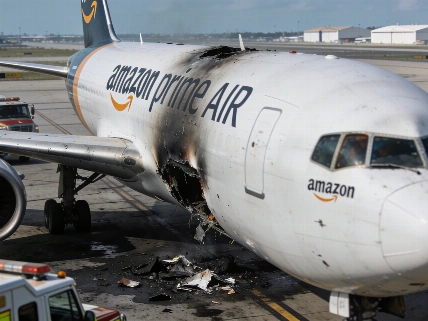
Bezos's move comes after previously exploring bids for NFL teams like the Washington Commanders and Seattle Seahawks without closing a deal. His investment in Liverpool is personal and does not involve Amazon directly. Still, the overlap is worth noting: Amazon's Prime Video holds UEFA Champions League broadcast rights in several major European markets and is expected to spend about $3.8 billion on sports rights in 2026, according to SportsPro and Ampere Analysis. Liverpool's qualification for the 2026/27 Champions League could further enhance the club's media profile and revenue potential.
What's Next for Liverpool and Investors
The deal is subject to regulatory approval, including the Premier League's owners' and directors' test. The key question is whether 1892 Holdings will exercise its option to take majority control at the $8 billion valuation. If so, it would signal strong confidence in the future growth of soccer media rights and the global appeal of Premier League brands. For fans, the financial stakes may soon be felt in ticket prices and matchday costs-Liverpool recently reversed planned price hikes after supporter protests, but new ownership at higher valuations could put renewed pressure on revenue streams.
For U.S. investors, the Liverpool deal highlights the growing appetite for international sports assets and the risks that come with chasing scarce, high-profile franchises. As recent analysis of Wall Street's disconnect from Main Street suggests, the pursuit of trophy assets by billionaires may have limited relevance for ordinary households, but it does reflect broader trends in global capital flows and the search for new sources of return.
According to Deloitte's Football Money League, Liverpool's €836.1 million ($900 million) in revenue for 2024/25 was driven by commercial partnerships, broadcast rights, and matchday income. The club's financial performance has outpaced most English rivals, and its global fan base continues to grow. Yet, the volatility of on-field results and the unpredictability of future media rights deals mean that even the world's richest investors face real risks in the soccer business.
Sports franchise valuations are shaped by a mix of scarcity, brand power, and the escalating value of live broadcast rights. Unlike most businesses, elite soccer clubs rarely come to market, and their worth is often disconnected from short-term profits or losses. Instead, investors are betting on long-term growth in global audiences and the willingness of broadcasters and sponsors to pay ever-higher premiums for exclusive access. For ordinary investors, these deals offer a window into how capital is chasing new frontiers-and the limits of what money can buy when traditional assets no longer deliver the returns the ultra-wealthy seek.