Corporate profits are soaring, but many U.S. households are still struggling with high prices, rising debt, and persistent inflation. Kevin O'Leary highlights the growing disconnect between strong market earnings and everyday financial stress
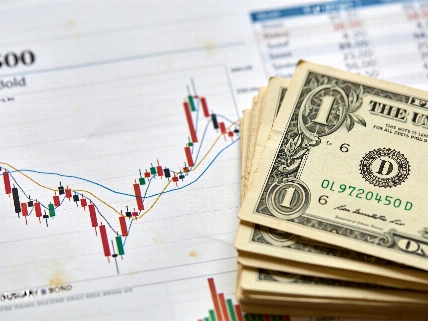
Corporate earnings in the U.S. have surged to new highs, with 86% of S&P 500 companies surpassing analyst expectations in the second quarter, according to FactSet. This broad-based profit growth has been especially strong in technology, energy, and consumer sectors, fueling optimism on Wall Street. Yet for many American families, these record results have not translated into relief from rising costs and financial pressure.
Investor Kevin O'Leary has drawn attention to the widening gap between robust market performance and the persistent strain on household budgets. While companies report double-digit profit growth, consumer prices remain well above the Federal Reserve's 2% inflation target. As of June, the annual consumer price index stood at 3.5%, down from 4.2% in May but still elevated by historical standards. O'Leary argues that this disconnect means Main Street continues to feel the impact of inflation, even as portfolios benefit from the market rally.
Household Stress Reaches Pandemic-Era Levels
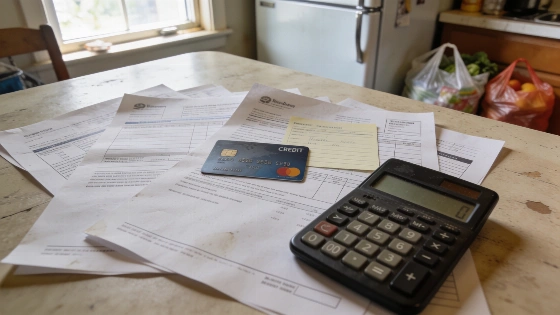
Recent behavioral data supports O'Leary's concerns. LegalShield, a legal services provider tracking around 150,000 monthly attorney consultations, reported that its Consumer Stress Legal Index rose 2.3% quarter-over-quarter and 9.4% year-over-year in the second quarter of 2026, reaching 74.6. The company's Foreclosure Index climbed to its highest point since March 2020, up 12.2% from a year earlier, while its Bankruptcy Index jumped 28.7% year-over-year. These figures suggest that financial distress among consumers is intensifying, with more households facing legal and credit challenges.
The consumer finance component of LegalShield's index, which tracks issues like billing disputes and loan defaults, also increased to 107.7, reflecting ongoing struggles with debt and credit. LegalShield's data, based on more than 36 million consumer legal requests since 2002, offers one of the longest-running behavioral measures of household financial stress in the U.S.
Energy and Credit Costs Squeeze Budgets
Energy prices have become a critical factor in household finances. Gasoline prices rose 26.7% year-over-year in June, even after a 9.7% monthly drop at the pump, according to the Bureau of Labor Statistics. With income growth lagging behind rising costs for essentials like energy and food, many Americans are relying more on savings and credit cards to maintain their standard of living. Gregory Daco, chief economist at EY-Parthenon, notes that this income squeeze is forcing consumers to draw down wealth and take on more debt.
Credit card balances reached $1.252 trillion in the first quarter of 2026, based on Federal Reserve Bank of New York data. Nearly half of adult cardholders carried a balance for at least one month in the prior year, according to a May 2026 Federal Reserve study. The average interest rate on credit cards climbed to 20.94% in the second quarter, making it increasingly expensive for households to finance everyday expenses over time.
Market Gains Concentrated, Consumer Costs Still Rising
While stock ownership is concentrated among higher-income households, much of the recent market rally has been driven by a handful of mega-cap companies. Charles Schwab's U.S. Stocks and Economy mid-year outlook notes that lower-income consumers are absorbing cumulative price increases that have pushed overall costs up about 28.6% since 2020, according to Inflation Compare. This divergence means that households without significant assets are still feeling the effects of post-pandemic inflation, even as investors see strong returns.
O'Leary has also warned that oil prices above $70 per barrel could influence voter sentiment and shape the outcome of the upcoming midterm elections. Energy remains a top concern for households across the political spectrum, and whether inflation retreats below 3% or remains elevated will play a key role in shaping family budgets through the fall.
Broader Implications for U.S. Households
The tension between strong corporate earnings and persistent consumer stress highlights a fundamental divide in the U.S. economy. Households that own homes or hold investments have generally fared better, while those without assets continue to face higher costs for food, fuel, and housing. This split is not always visible in headline economic data but is increasingly evident in family budgets and legal distress indicators.
For investors, the current environment underscores the importance of understanding both market performance and the underlying economic realities facing consumers. As seen in other sectors, such as the rapid growth and valuation challenges faced by companies like Palantir (as explored in this analysis), headline numbers can mask deeper risks and disparities. For households, the persistence of elevated prices and rising debt means that financial relief may remain elusive, even as Wall Street celebrates another round of record profits.
According to FactSet, the S&P 500's blended earnings growth rate for the second quarter of 2026 reached 50.4% year-over-year, the highest since Q2 2021. Ten of the index's eleven sectors reported annual earnings increases, with eight posting double-digit profit growth. Even excluding outsized results from Alphabet and Amazon, earnings growth remained robust at 32%, marking seven consecutive quarters of double-digit expansion for the index.
Understanding the relationship between corporate profits, inflation, and household finances is essential for both policymakers and consumers. While strong earnings can signal economic resilience, they do not automatically translate into improved living standards for all Americans. The ongoing divergence between Wall Street and Main Street will likely remain a central issue as the U.S. heads into the next election cycle and beyond.