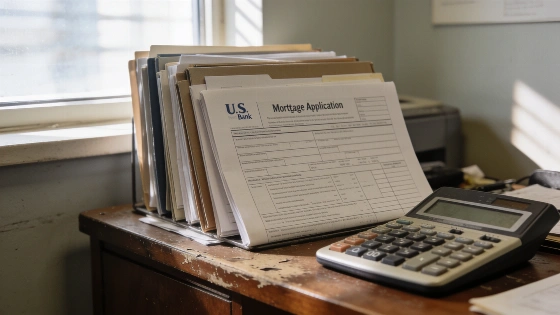
With the Federal Reserve's next move uncertain, July's Consumer Price Index report could quickly influence mortgage rates and homebuying costs as markets react to fresh inflation data and shifting economic signals
U.S. homebuyers and homeowners are watching the July Consumer Price Index (CPI) report closely, as its release could prompt a swift reaction in mortgage rates. The Federal Reserve's next policy decision remains uncertain, and inflation data is now a key factor shaping expectations for borrowing costs. The Freddie Mac 30-year fixed mortgage rate reached 6.69% on August 6, the highest level so far this year, making any sign of cooling inflation especially significant for those considering a home purchase or refinance.
The Bureau of Labor Statistics will publish the July CPI on Wednesday, August 12. This report is seen as a critical gauge of inflation, especially after recent geopolitical developments. The end of the U.S.-Iran ceasefire on July 8 has already affected oil prices and market sentiment, raising questions about the direction of consumer prices. While the June CPI, released July 14, did not capture these new pressures, the July data is expected to provide a more accurate snapshot of current inflation trends.
Inflation's Direct Impact on Mortgage Rates
Mortgage rates tend to rise when inflation is strong and fall when inflation eases. The Federal Reserve pays particular attention to core inflation, which excludes volatile food and energy prices, when making monetary policy decisions. In June, core CPI was unchanged month-over-month, and the annual core inflation rate slowed to 2.6%, down from 2.9% in May and 2.8% in April. Many economists expect July's inflation to rebound, reflecting recent economic and geopolitical developments.
According to reporting by TheStreet, the July CPI will weigh heavily on the Fed's September meeting. While there will be another jobs report and CPI release before then, this week's data could shift market expectations for a rate hike or pause. The CME FedWatch tool, which tracks market bets on Fed moves, was nearly evenly split as of August 10 on whether the central bank would raise rates or hold steady. That balance could tip quickly after the inflation numbers are released.
What to Watch in the July CPI
Analysts surveyed by Dow Jones expect annual core inflation to rise by 2.5% in July. If the actual figure comes in below expectations, mortgage rates could dip as markets anticipate a more dovish Fed stance. Conversely, a higher-than-expected reading-potentially influenced by energy prices and ongoing global tensions-could push rates higher. If inflation matches forecasts, mortgage rates may remain relatively stable in the short term.
Recent labor market data has also complicated the outlook. A weaker-than-expected jobs report on August 7 led some to speculate that the Fed might hold off on a rate hike, as a softer labor market can prompt the central bank to keep borrowing costs lower to support economic growth. The interplay between inflation and employment data will be crucial in shaping the Fed's next steps and, by extension, mortgage rates.
Market Data and Broader Implications
As of early August, the average 30-year fixed mortgage rate stood at 6.69%, according to Freddie Mac. This is well above the sub-3% rates seen in 2021, and it has contributed to a slowdown in home sales and affordability challenges for buyers. The CPI's influence on rates is immediate: a surprise in either direction can move Treasury yields and mortgage rates within hours of the report's release. For context, the June CPI showed a 2.6% annual increase in core inflation, but July's figure is expected to reflect new pressures from energy markets and global events.
While the mortgage market is highly sensitive to inflation data, it is also shaped by broader economic forces. For example, as recent coverage of corporate earnings and margin pressures shows, shifts in global supply chains and technology adoption can also influence inflation and interest rates over time.
Understanding how the Federal Reserve responds to inflation is essential for anyone considering a home loan. The central bank's decisions affect not only mortgage rates but also the cost of other types of borrowing, from auto loans to credit cards. As markets digest the July CPI, borrowers should be prepared for potential rate volatility and consider locking in rates if they are sensitive to further increases.
The Consumer Price Index is a widely used measure of inflation, tracking changes in the prices paid by urban consumers for a basket of goods and services. Core CPI, which strips out food and energy, is often viewed as a better indicator of underlying inflation trends because it is less affected by short-term price swings. The Federal Reserve uses this data, along with employment and other economic indicators, to set monetary policy. Mortgage rates are closely tied to yields on U.S. Treasury securities, which move in response to inflation expectations and Fed policy signals. For borrowers, understanding these connections can help in making informed decisions about when to lock in a mortgage rate or refinance an existing loan.