The PCE Price Index fell 0.1% in June, its first monthly decline since 2020, as a brief drop in gasoline prices offset other increases. With fuel costs already rebounding, inflation pressures for U.S. consumers are far from over
For the first time in more than six years, the Personal Consumption Expenditures (PCE) Price Index-a key inflation gauge closely watched by the Federal Reserve-posted a monthly decline. June's 0.1% drop might sound like a welcome break for households squeezed by rising costs, but the underlying story suggests little reason for optimism. The decrease was driven almost entirely by a sharp, temporary fall in gasoline prices following a brief ceasefire in Iran, not by a broad easing of inflationary pressures.
While the PCE Price Index is considered the Federal Reserve's preferred measure of inflation, its monthly moves can be volatile, especially when energy prices swing. The June reading marks the first monthly decline since the early months of the COVID-19 pandemic, but the context behind the number matters more than the headline itself.
Gasoline's Outsized Impact
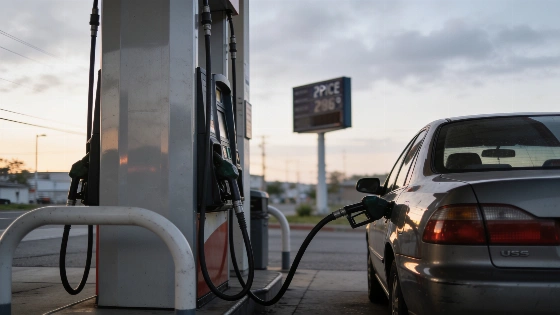
Historically, monthly declines in the PCE Price Index have been rare and almost always linked to sudden drops in energy prices. In June, a 9.2% plunge in gasoline costs-triggered by the temporary reopening of the Strait of Hormuz after the Iran ceasefire-was enough to offset price increases in categories like food and recreational goods. This pattern echoes previous episodes, such as the 1.2% PCE drop in November 2008, which was also driven by a collapse in fuel prices.
But the relief at the pump was short-lived. As the ceasefire unraveled and geopolitical tensions flared, oil prices rebounded sharply. Brent crude, which had dipped below $80 per barrel in late June, surged back above $100 in July before settling near $89. This rapid reversal means the June PCE decline is unlikely to mark the start of a sustained trend.
Inflation Pressures Remain Elevated
Even with June's dip, the broader inflation picture remains challenging for U.S. consumers. Gasoline prices had already climbed 20.9% in March, 5.5% in April, and 6.5% in May, contributing to PCE increases of 0.7%, 0.4%, and 0.5% in those months. The modest 0.1% drop in June barely dents the cumulative rise in living costs over the first half of the year.
Excluding food and energy, so-called "core" PCE inflation rose just 0.1% in June-the slowest pace so far in 2026. But for most households, energy and food are unavoidable expenses, and their volatility can quickly erase any relief from lower core inflation. With gas prices already rebounding, July's PCE is likely to reflect renewed upward pressure, making it unlikely that the Federal Reserve will view the June data as a reason to pause or reverse its current policy stance.
What It Means for Households and Investors
For investors and consumers alike, the June PCE report is a reminder that headline inflation can be heavily influenced by short-term swings in energy markets. While the temporary drop in gasoline prices provided a brief reprieve, it did not signal a broader shift in inflation dynamics. The Federal Reserve is likely to remain focused on underlying trends rather than one-off monthly moves, especially as energy prices remain volatile.
According to the Bureau of Economic Analysis, the PCE Price Index is considered a more comprehensive measure of inflation than the Consumer Price Index (CPI) because it captures a wider range of goods and services and adjusts for changes in consumer behavior. In June 2026, the year-over-year PCE inflation rate remained above the Fed's 2% target, underscoring the persistence of price pressures despite the monthly dip.
For those planning for retirement or managing household budgets, the unpredictable nature of energy prices adds another layer of complexity. As seen in recent coverage of retirement savings concerns, persistent inflation can erode purchasing power and make long-term financial planning more difficult.
The PCE Price Index differs from the CPI in several important ways. While both track changes in consumer prices, the PCE uses a broader basket of goods and services and accounts for shifts in what people actually buy when prices change. This makes it a preferred tool for policymakers, but it also means that sudden moves-especially those driven by volatile categories like energy-can mask underlying trends. For households, understanding the difference between headline and core inflation is crucial for making informed decisions about spending, saving, and investing in an environment where price shocks can quickly reverse.