Eli Lilly's once-daily pill Foundayo just won U.K. approval for obesity and diabetes, opening a market of patients who have resisted injectable drugs and intensifying competition with Novo Nordisk in a fast-growing sector
Eli Lilly is shifting its approach in the weight-loss drug market, moving beyond injectable medications with the U.K. approval of its new daily pill, Foundayo. The Medicines and Healthcare products Regulatory Agency cleared Foundayo on August 10 for adults with obesity and certain overweight adults with related health conditions, as well as for blood sugar control in type 2 diabetes. This marks the first regulatory green light for Foundayo in Europe and signals a significant expansion opportunity for Lilly, which has relied heavily on injectable drugs like Mounjaro and Zepbound to drive growth.
Pill Format Expands Patient Reach
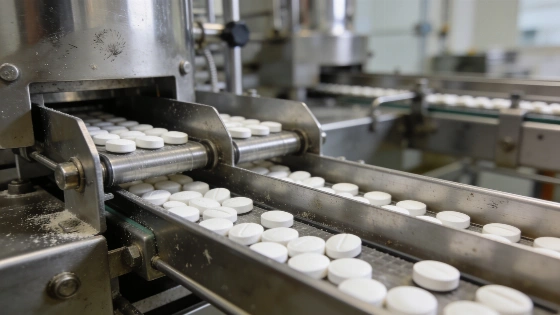
For many patients, the prospect of regular injections has been a major barrier to starting or sticking with weight-loss medications. Foundayo, a once-daily oral GLP-1 receptor agonist containing orforglipron, aims to reach those who have avoided shots due to needle anxiety, refrigeration requirements, or the inconvenience of self-injection. Unlike some competing pills, Foundayo can be taken at any time of day, with or without food or water, making it easier to fit into daily routines. This convenience could be a deciding factor for patients considering long-term therapy.
The pill's main competitor, Novo Nordisk's oral Wegovy, requires patients to take it on an empty stomach with a small amount of water and wait 30 minutes before eating or drinking. For a medication intended for daily, multi-year use, such restrictions can affect adherence and satisfaction. Lilly is betting that Foundayo's simpler regimen will help it capture a share of patients who have so far resisted both injections and more complicated oral options.
Clinical Results and Market Trade-Offs
In clinical trials, Foundayo demonstrated meaningful-though not best-in-class-weight loss. According to data from Lilly's ATTAIN-1 study, adults with obesity who took the highest dose of Foundayo lost an average of 11.2% of their body weight over 72 weeks. More than half of participants lost at least 10% of their weight, and the drug also improved cholesterol and blood pressure. By comparison, injectable GLP-1 drugs like Zepbound have shown average weight loss closer to 21%.
This trade-off highlights the pill's strategic position: while it may not match the efficacy of injections, it offers a practical alternative for patients unwilling or unable to use needles. For investors, the key question is whether the expanded reach will offset the lower average weight loss and help Lilly defend its market share as competition intensifies.
Competitive Landscape and Launch Details
Lilly faces stiff competition in the U.K. market, where Novo Nordisk's oral Wegovy launched about two months before Foundayo's approval. Novo's head start gives it an early advantage with prescribers and patients, and both companies are under pressure to defend their market share as the sector grows rapidly. Foundayo's U.S. launch earlier this year generated $98 million in its first full quarter, slightly below analyst expectations, underscoring the challenge of converting interest into prescriptions.
Initially, Foundayo will be available in the U.K. only through private prescription, meaning patients must pay out of pocket. Lilly has stated that the pill will be priced below Mounjaro, which costs £330 (about $420) per month in the U.K., but has not disclosed the exact price. The larger opportunity lies in securing coverage from the National Health Service (NHS), which would make the drug accessible to a much broader population. That decision depends on a cost-effectiveness review by the National Institute for Health and Care Excellence, expected by November 18, 2026.
Investor Implications and Next Steps
For U.S. investors, the U.K. approval of Foundayo is a signal that the market for oral weight-loss drugs is expanding beyond early adopters. The pill is currently under review in the European Union, and a positive decision there could open access to millions more potential patients. Key milestones to watch include the private launch in the U.K. later this month, the NHS reimbursement decision in November, and the timing of EU regulatory action.
Lilly shares rose 3.9% to $1,231.94 on August 10 following the U.K. approval, according to Grafa, bringing the stock near its 52-week high. With a price-to-earnings ratio around 40, much of the company's future growth is already reflected in its valuation, leaving little margin for disappointment if Foundayo's uptake falls short or if pricing negotiations with the NHS prove difficult. Investors should view Foundayo as one component of Lilly's broader obesity and diabetes franchise, not a single make-or-break product.
According to Lilly's most recent quarterly report, the company's revenue from diabetes and obesity drugs reached $3.4 billion in the second quarter of 2026, up 28% from the same period a year earlier. The company's market capitalization now exceeds $1 trillion, reflecting investor optimism about the long-term potential of GLP-1 therapies. However, the competitive landscape remains dynamic, with both Lilly and Novo Nordisk adjusting forecasts and strategies as new products enter the market and payer coverage evolves.
GLP-1 receptor agonists, the class of drugs that includes Foundayo, Mounjaro, Zepbound, and Wegovy, have transformed the treatment of obesity and type 2 diabetes by mimicking a gut hormone that signals fullness and helps regulate blood sugar. While injectables have set the standard for efficacy, oral formulations are seen as the next frontier for expanding access and adherence. The trade-offs between convenience, cost, and clinical results will shape the market's evolution-and determine which companies capture the next wave of patients seeking medical help for weight management.