Mercury Systems is partnering with Palantir Technologies to overhaul its factory operations after past production setbacks led to major financial losses and investor pressure. The Pentagon is funding the effort, signaling high stakes for both companies
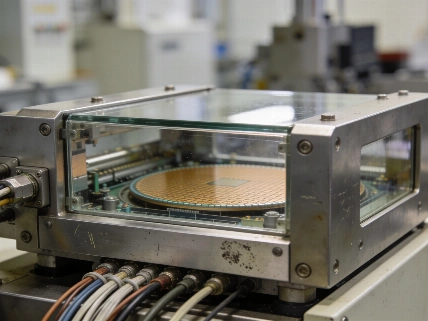
Mercury Systems, a Massachusetts-based defense electronics manufacturer, is handing over the automation of its factory operations to Palantir Technologies in a move designed to address the very production issues that previously damaged its reputation with the Pentagon and investors. The partnership aims to streamline Mercury's supply chain and manufacturing processes, which have struggled in recent years to deliver on time and on budget.
Factory Automation Under Pentagon Oversight
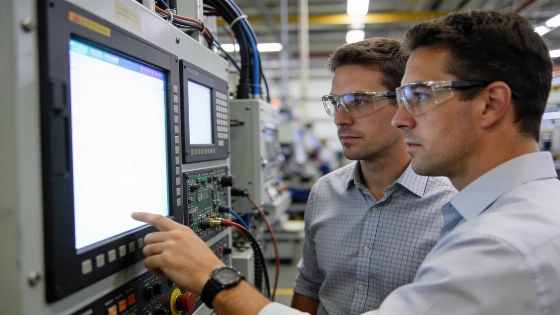
Under the new agreement, Palantir will implement two initial digital workflows at Mercury's facilities, targeting material planning and manual scheduling-areas that have historically caused bottlenecks. The plan includes building a comprehensive digital model of Mercury's operations using Palantir's Foundry platform, allowing managers to monitor supply chain data in real time and identify potential disruptions before they escalate into costly delays.
This initiative is being funded through the Pentagon's Tradewind Prototype Agreement, a government program designed to accelerate the adoption of new technologies in defense manufacturing. The government's direct financial backing signals a higher level of commitment and scrutiny, raising the stakes for both Mercury and Palantir as they seek to prove the value of their collaboration.
Financial Fallout From Past Delays
Mercury's operational shortcomings became public in 2023, when the company's board replaced its leadership following pressure from activist investor JANA Partners. At that time, about 20 of Mercury's 300 active programs were running significantly over budget, resulting in a $56 million hit to fiscal 2023 earnings, according to Washington Technology. The company's adjusted EBITDA margin dropped to 13.6% of revenue, down from 20.3% the previous year. Since then, new management has focused on cost-cutting and stabilizing troubled programs, with Mercury's backlog rising to nearly $1.3 billion by the third quarter of fiscal 2024, a 17% increase year over year, based on the company's earnings release.
The Palantir partnership is intended to extend this turnaround from the balance sheet to the factory floor, addressing the root causes of Mercury's previous production failures. Investors responded positively to the announcement, with Mercury's shares jumping 8.7% on the day the deal was made public, while Palantir's stock also saw gains.
Broader Push Across Defense Supply Chains
This deal is part of a wider effort by Palantir to expand its footprint in the U.S. defense industrial base. Over the past two years, Palantir has formed alliances with other technology firms and defense suppliers, including Anduril and SpaceX, to challenge traditional defense contractors for Pentagon contracts. Palantir and Anduril were recently awarded a NATO contract to manage the Enhanced Air Command and Control Data Platform, further cementing their role in military technology infrastructure.
The Mercury agreement is positioned as one piece of a larger strategy to accelerate production timelines across major U.S. defense suppliers. Notably, the companies referred to the Pentagon by its rebranded name, the Department of War, reflecting a recent but not yet universally adopted change in official nomenclature.
Timing and Market Impact
The announcement came just hours before Palantir reported its second-quarter earnings, which showed a 93% year-over-year revenue increase to $1.935 billion. Despite this strong performance, Palantir's stock has traded below its late-2025 highs, with investors questioning whether its valuation is justified. The Mercury deal, backed by government funding and focused on tangible supply chain improvements, offers a concrete example of Palantir's value proposition beyond software subscriptions and artificial intelligence hype.
For investors, the partnership serves as a test case for whether Palantir's technology can deliver measurable results in the physical production of defense hardware. The outcome may influence how other suppliers in the defense sector approach automation and data integration in their own operations.
Mercury Systems' shares surged 8.7% following the announcement of the Palantir partnership on August 3, 2026, according to reporting by TheStreet. Palantir's second-quarter earnings, released the same day, revealed a 93% year-over-year revenue increase to $1.935 billion, highlighting the company's rapid growth and the market's focus on its expanding role in defense supply chains.
Supply chain automation in the defense sector involves unique challenges compared to commercial manufacturing. Defense suppliers must comply with strict security protocols, complex regulatory requirements, and unpredictable demand driven by government contracts. Integrating advanced data analytics and real-time monitoring can help companies like Mercury anticipate disruptions, reduce manual errors, and improve delivery timelines. However, the effectiveness of these solutions depends on the quality of underlying data, the adaptability of legacy systems, and the willingness of management to overhaul entrenched processes. As more defense contractors consider similar partnerships, the industry's ability to modernize may hinge on the success of early adopters like Mercury and Palantir.