Nike is closing more stores across the U.S. as it faces falling sales, rising competition, and a major operational overhaul. The company's latest moves signal deeper changes for both its retail footprint and workforce
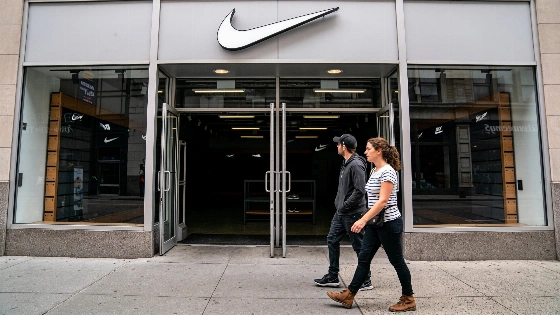
Nike, the world's largest sportswear company, is rapidly closing stores across the United States as it pushes forward with a sweeping restructuring plan. In July 2026 alone, Nike shuttered roughly a dozen locations in major cities including San Jose, Tampa, Atlanta, Naperville, Louisville, Kansas City, Bethesda, Hoboken, Cary, and The Woodlands. The company has not specified how many more stores could close this year, leaving employees and local economies uncertain about the next wave of changes.
This acceleration comes as Nike faces mounting pressure from both established rivals and fast-growing activewear brands that have been quicker to adapt to shifting consumer tastes. The athletic apparel sector has become increasingly competitive, with newer entrants leveraging digital channels and direct-to-consumer models to capture market share. Nike, founded in 1964 as Blue Ribbon Sports and rebranded in 1971, now finds itself rethinking its approach to retail, product innovation, and supply chain management to maintain its leadership position.
Operational Overhaul
The current round of closures is part of Nike's Global Operations Changes, a restructuring initiative announced in April 2026. The plan aims to strengthen the company's foundation, improve competitiveness, and support long-term profitable growth. Key elements include optimizing the supply chain, accelerating technology investments, enhancing employee training, and deepening partnerships with manufacturers and retailers. As part of this overhaul, Nike expects to eliminate approximately 1,400 positions in its Global Operations division.
Beyond store closures, Nike has also discontinued its Nike Fitness Studios venture, consolidated technology offices, and streamlined its business operations. These moves are designed to reduce costs and focus resources on areas with the highest growth potential. According to reporting by TheStreet, Nike's actions reflect a broader trend among legacy brands facing disruptive shifts in consumer behavior and retail economics. Similar pressures have led other major retailers to downsize or exit markets, as seen when Russell & Bromley closed dozens of stores in the UK amid rising costs and changing shopping habits.
Sales and Financial Performance
Nike's restructuring follows another quarter of declining sales across several key business segments. In the fourth quarter of fiscal 2026, Nike reported a 1% drop in total revenue. Footwear and equipment sales both declined, while Nike Direct revenue fell 9%. Digital sales were down 12%, and revenue from Nike-owned stores dropped 7%. Converse, a subsidiary, saw its revenue plunge 32% during the same period. These figures underscore the challenges Nike faces as it seeks to reverse negative trends and regain momentum in a crowded market.
Company leadership has acknowledged that Nike is not meeting its full potential, citing a more complex macroeconomic environment and increased pressure on consumer spending. The company is responding by investing in both its online and physical retail channels, with plans to modernize half of its Nike Direct company-owned stores by the end of the fiscal year. The goal is to create a more consistent and engaging shopping experience across all platforms, while also improving operational efficiency.
Industry Context and Consumer Impact
Nike's store closures and restructuring efforts are part of a broader wave of change sweeping through the retail sector. As consumer preferences evolve and digital commerce becomes more dominant, traditional retailers are being forced to adapt or risk losing relevance. For Nike, this means balancing investments in technology and e-commerce with the realities of a shrinking physical footprint. The company's decisions will have ripple effects for employees, suppliers, and communities that depend on its presence.
For consumers, the closures may mean fewer opportunities to shop in person at Nike-branded stores, especially in suburban and urban centers where locations are being shuttered. At the same time, Nike's push to modernize its remaining stores and enhance its digital offerings could lead to a more seamless and personalized shopping experience for those who continue to engage with the brand online or in-store.
In the fourth quarter of fiscal 2026, Nike reported total revenue of $12.2 billion, down 1% from the prior year, according to its official earnings release. Nike Direct revenue fell to $4.6 billion, a 9% decrease, while digital sales dropped 12%. Converse revenue declined sharply to $360 million, representing a 32% year-over-year fall. These results highlight the financial pressures driving Nike's current restructuring and store closure strategy.
Retail store closures are often a response to both changing consumer behavior and the economics of physical retail. As more shoppers migrate online, companies like Nike must weigh the costs of maintaining brick-and-mortar locations against the benefits of digital expansion. Store closures can help reduce overhead and free up capital for investment in technology, supply chain improvements, and new product development. However, they also carry risks, including potential damage to brand visibility, loss of direct customer engagement, and negative impacts on local employment. For investors and consumers alike, the pace and scale of these changes offer a window into how legacy brands are navigating a rapidly evolving retail landscape.