A sharp rise in wholesale prices and a surge in oil costs have pushed the odds of a Federal Reserve rate hike to 70 percent, raising the stakes for borrowers, investors, and consumers ahead of the next inflation report
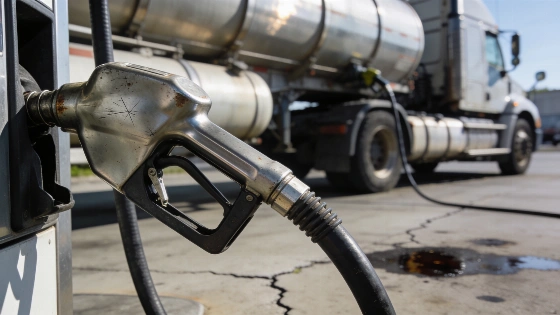
Markets were shaken in August as the costs of transporting goods and fueling economic activity surged. Diesel prices climbed 24 percent in a single month, while Brent crude oil surpassed $105 a barrel for the first time since May. This sharp increase in energy costs has driven wholesale inflation higher and led traders to rapidly adjust expectations for Federal Reserve policy, with the probability of a rate hike at the next meeting reaching 70 percent.
According to the Bureau of Labor Statistics, more than one-third of the August increase in final demand goods prices was driven by a 24.1% monthly surge in diesel fuel costs.
Energy Costs and Inflation Data
The Producer Price Index (PPI) for August showed wholesale prices rising 5.4 percent year-over-year, up from 4.8 percent in July. An official Bureau of Labor Statistics report noted that the PPI increased 0.4 percent month-over-month in August, while the core PPI-which excludes food, energy, and trade services-rose by 0.3 percent. These figures coincided with further tightening in oil markets, as U.S. crude crossed $100 a barrel and the United States Oil Fund advanced 4.5 percent in early trading. The combination of rising input costs and persistent energy inflation has left investors anticipating more assertive central bank action.
Reuters attributed the sharp rise in energy costs to renewed hostilities between the U.S. and Iran, which pushed oil prices higher. In August, overall energy prices increased 4.2 percent for the month, intensifying inflationary pressures in the wholesale sector. As detailed in a Reuters financial review, prices for final demand goods rose 1.1 percent in August after two months of declines, with energy leading the gains.
Market Reaction and Sector Impact
Stock markets responded with volatility, particularly in rate-sensitive sectors. Nvidia weighed on both the S&P 500 and Nasdaq Composite after falling 2.1 percent, while memory chipmakers such as Micron Technology and SK Hynix gave back recent gains. Apple, by contrast, rebounded 1.4 percent following a subdued response to its latest product launch. Defensive consumer goods stocks performed relatively better, reflecting a shift by investors toward companies less exposed to economic fluctuations.
Ahead of the Federal Reserve's September 15-16 meeting, futures markets were pricing in a 58-62% probability of a rate hike, down from earlier estimates of 70%, according to Reuters data.
What to Watch as the Fed Decides
With the next Consumer Price Index (CPI) report due just before the Federal Reserve's meeting, the stakes for markets and consumers remain high. Fed officials have indicated they could pause rate hikes if inflation shows clear signs of easing, but ongoing energy price shocks complicate this assessment. Bank of America's analysis of producer data suggests that core Personal Consumption Expenditures (PCE) inflation is tracking at 0.3 percent for the month, a pace that some policymakers may view as justification for another rate increase.
For borrowers, an additional rate hike would mean higher costs on mortgages, credit cards, and auto loans. Savers might benefit from slightly improved deposit yields, though these gains could be offset by rising prices for essentials. Investors face a market environment where defensive positioning and careful sector selection are increasingly important, as the interplay between inflation, energy, and central bank policy drives both short-term volatility and long-term risk.
Wholesale inflation measures the price changes that businesses pay for goods and services before they reach consumers. Unlike the Consumer Price Index, which tracks retail prices, the Producer Price Index can signal future cost pressures within the supply chain. When energy prices spike, as seen with diesel and crude oil, these increases often pass through to consumer prices over time. The Federal Reserve monitors both headline and core inflation data to determine whether price pressures are widespread or concentrated in volatile categories such as food and energy. Persistent increases in core inflation are more likely to prompt policy action, as they indicate that underlying demand is outpacing supply across the economy.