A $110 billion merger between Paramount and Warner Bros. Discovery is now on hold until at least 2027 after a coalition of state attorneys general filed suit, raising new antitrust hurdles and extending uncertainty for investors and the media industry
Paramount's planned $110 billion acquisition of Warner Bros. Discovery, once expected to close by September, has been thrown into uncertainty after a coalition of 12 state attorneys general filed suit to block the deal. The legal challenge, led by California Attorney General Rob Bonta and joined by states including New York, Massachusetts, and Washington, argues that the merger would significantly reduce competition in theatrical film distribution, top-grossing movie releases, and the market for basic cable channels.
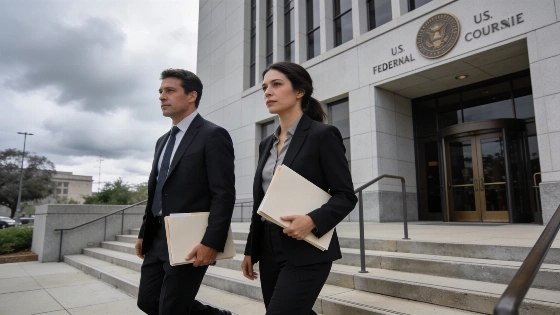
Within days of the lawsuit, a federal judge issued a temporary restraining order, halting any progress toward closing the transaction. Paramount responded by filing an 11-page court stipulation agreeing not to finalize the merger until five days after a judicial ruling on the antitrust case or June 1, 2027, whichever comes first, according to CNBC. This move effectively eliminates the original September closing target and pushes the timeline for any resolution out by years.
State vs. Federal Oversight
The Paramount-Warner Bros. Discovery deal had already cleared two major regulatory hurdles: the Department of Justice antitrust division declined to challenge the merger in June, and European regulators also gave their approval. But the state-level intervention highlights a growing willingness among state attorneys general to pursue antitrust enforcement when federal agencies step back. Bonta has publicly criticized what he sees as federal abdication of responsibility, arguing that the merger violates Section 7 of the Clayton Antitrust Act, which prohibits deals likely to substantially lessen competition.
In addition to the state lawsuit, the Writers Guild of America filed a separate complaint, alleging the merger would harm writers' pay and job opportunities by consolidating power in the entertainment industry. The legal actions have forced Paramount to recalibrate its strategy, as the company maintains that the merger would not reduce competition and calls the states' case weak on both legal and factual grounds.
Investor Impact and Timeline Uncertainty
For investors in both Paramount and Warner Bros. Discovery, the merger is no longer a near-term event but a protracted legal process. Paramount has indicated it would prefer a trial as early as November, while California and other states may seek to delay proceedings until 2027 to allow more preparation time, according to NBC News. The companies' stocks are likely to reflect this uncertainty, with Paramount potentially losing any acquisition premium and Warner Bros. Discovery shareholders facing a longer wait to see if the deal ultimately closes.
As of the most recent filings, Warner Bros. Discovery reported annual revenue of $43.1 billion for 2025, while Paramount Global posted $29.6 billion. Both companies have faced pressure from streaming competition and shifting consumer habits, making consolidation an attractive-if now highly uncertain-path forward. The extended legal timeline means that any potential synergies or cost savings from the merger will remain theoretical for years.
Broader Implications for Media Mergers
The aggressive stance taken by state attorneys general could have ripple effects across the media and entertainment sector. Other studios and content companies considering mergers may now face heightened scrutiny at the state level, even if federal regulators approve their deals. The Paramount-Warner Bros. Discovery case also tests the limits of state authority in federal antitrust matters, raising questions about how much power states can wield over national and international business combinations.
For context, the current environment echoes broader shifts in market leadership and regulatory focus, as seen when Citi recently declared the end of the so-called Magnificent Seven era in U.S. stock market growth, urging investors to look beyond familiar tech giants as new clusters drive S&P 500 earnings and sector leadership shifts. Read more about changing market dynamics here.
Paramount's voluntary agreement to pause the merger process, rather than being compelled by court order, positions the company to argue that it is cooperating with the legal process while still contesting the core antitrust claims. Both sides are expected to submit proposed trial schedules by the end of July, but the ultimate outcome-and its impact on the broader media landscape-remains highly uncertain.
Antitrust law in the U.S. is designed to prevent mergers that could substantially lessen competition or create monopolies, but enforcement has historically swung between federal and state priorities. The current case underscores the complexity of regulating large-scale media deals in an era of rapid industry change and evolving consumer behavior. Investors, executives, and regulators alike will be watching closely as the legal process unfolds, knowing that the outcome could set new precedents for future mergers and acquisitions in the sector.