PepsiCo will eliminate 184 warehouse positions in Tulsa as it shifts logistics to a new facility, reflecting broader changes in its U.S. distribution network and ongoing cost pressures in the beverage sector
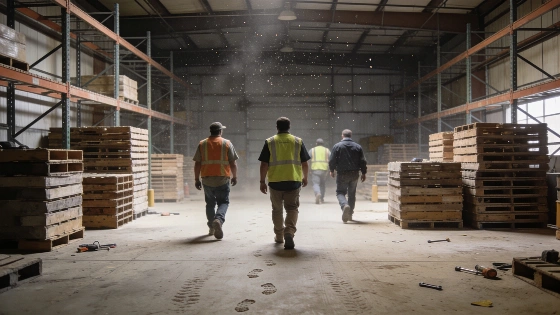
PepsiCo is set to lay off 184 warehouse employees at its Tulsa, Oklahoma, facility as part of a broader overhaul of its U.S. distribution operations. According to a Worker Adjustment and Retraining Notification (WARN) filed with state authorities, the company will discontinue warehouse activities at its 510 W. Skelly Drive location on November 15, 2026. While the warehouse will close, the adjacent production lines will remain operational, and beverage manufacturing will continue at the site.
The affected positions include warehouse workers, forklift operators, checkers, inventory-control specialists, and various supervisory and supply-chain roles. PepsiCo has stated that it will assist impacted employees with job placement support, pay and benefits continuation based on tenure, and opportunities to apply for roles with the new logistics provider. The company has not disclosed the identity of the new provider or the location of the replacement warehouse, nor has it specified how many workers might secure alternative positions within PepsiCo's local operations.
Distribution Network Shifts
This move in Tulsa is part of a larger trend at PepsiCo, which has been consolidating and relocating warehouse and distribution functions across the U.S. In June, Frito-Lay, a PepsiCo subsidiary, closed its Rancho Cucamonga, California, warehouse, resulting in 248 job losses. Earlier this year, a Frito-Lay warehouse in Orlando, Florida, also shut down, following the closure of a nearby manufacturing plant and warehouse in late 2025 that eliminated 454 jobs. In each case, PepsiCo has transferred remaining work to newer or more centralized distribution centers, aiming to streamline logistics and reduce costs.
According to reporting by TheStreet, these changes reflect a broader industry pattern, with other major food and beverage companies such as Coca-Cola and Mars-owned Nature's Bakery also redrawing their manufacturing and distribution footprints. While the specific circumstances vary, the underlying goal is to maintain product availability for consumers while optimizing supply chains and controlling expenses.
Testing New Logistics Models
PepsiCo executives have recently outlined efforts to integrate the company's North American food and beverage supply chains, which have historically operated separately. The company is piloting "mixing centers" in the Texoma region, where food and beverage inventories are combined at a single site. This approach allows for more flexible deliveries and shared vehicle fleets, potentially lowering costs and improving service to retailers. While PepsiCo has not directly linked the Tulsa warehouse closure to these pilot programs, the shift to a new logistics provider aligns with its broader strategy to modernize and consolidate distribution.
PepsiCo is also investing in automation and digital tools to boost productivity across its operations. These changes are designed to help the company respond to evolving consumer demand and competitive pressures in the beverage and snack markets.
Financial Pressures and Market Performance
PepsiCo reported second-quarter 2026 net revenue of $24.18 billion, a 6.4% increase from the prior year, with organic revenue up 2.4%. However, the company's North American beverage segment saw only a 1% rise in organic revenue, and beverage volume declined by 4%. Acquisitions accounted for most of the reported growth in the region. Bank of America recently lowered its 2026 earnings estimate for PepsiCo, citing weaker-than-expected performance in its food division and declining retail sales for core brands such as Pepsi and Mountain Dew.
PepsiCo's management has acknowledged that higher gas prices and reduced convenience-store traffic have weighed on North American beverage sales. The company continues to target organic revenue growth of 2% to 4% and core constant-currency earnings growth of 4% to 6% for the full year, but it faces ongoing pressure to improve efficiency and adapt to shifting consumer habits.
For workers in Tulsa and other affected locations, the restructuring means significant job losses in warehouse and logistics roles, even as production and product availability remain stable for consumers. The company's evolving distribution model is likely to continue reshaping its U.S. workforce and supply chain footprint in the coming years.
PepsiCo's stock has declined about 4% year to date, reflecting investor concerns about the pace of recovery in its North American business and the impact of cost-cutting measures on long-term growth.
As PepsiCo and other major food and beverage companies adjust their supply chains, the practical impact for consumers is often invisible-products remain on store shelves, but the jobs and infrastructure behind the scenes are changing rapidly. For employees in logistics and warehousing, these shifts can mean uncertainty and the need to seek new roles, either within the company or elsewhere in the industry.
Supply chain restructuring is a common response among large manufacturers facing rising costs, changing consumer preferences, and increased competition. By consolidating distribution centers, investing in automation, and experimenting with new logistics models, companies like PepsiCo aim to maintain profitability and market share. For workers, these changes can bring both new opportunities and significant disruption, depending on the pace and nature of the transition.