Ross Stores will implement modest price hikes later this year, citing robust sales and inflation pressures as more Americans turn to discount retailers for value.
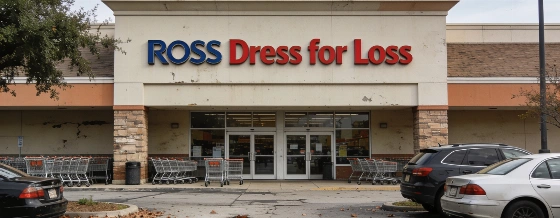
Ross Stores, the operator of Ross Dress for Less and dd's Discounts, will implement modest price increases across its stores in the second half of 2026. This decision follows strong sales and profit growth, as the company continues to attract value-focused shoppers amid ongoing inflation and higher living costs.
Ross Stores reported revenue of approximately $6.26 billion in the second quarter of 2026 and raised its full-year earnings per share forecast to $8.61-$8.77.
CEO Jim Conroy informed investors that Ross will introduce "low single digit" average unit retail (AUR) increases, aiming to remain competitive while addressing higher costs. AUR, a key retail metric, measures the average selling price per item. Conroy emphasized that the company's pricing strategy is designed to preserve its discount positioning, even as it responds to inflationary pressures and increased consumer demand.
Ross began signaling its readiness to raise prices during its March earnings call, citing successful tests of higher price points. By May, management was actively exploring further opportunities to adjust pricing, supported by continued customer engagement and strong sales momentum.
Ross Stores clarified that the $253 million in tariff refunds received in Q2 2026 added about $0.60 per share to quarterly earnings, but without this one-time benefit, earnings per share would have been closer to $2.06 instead of $2.66. The company has not indicated that these refunds will result in lower prices for consumers, as leadership has already confirmed a strategy of modest price increases going forward.
This approach contrasts with retailers such as Walmart and Target, which have used tariff-related windfalls to reduce consumer prices. Ross's strategy is to adjust pricing only if it risks losing its value advantage over mainstream competitors.
Ross's price increases come as many Americans reduce discretionary spending. According to the American Automobile Association, the national average gas price recently reached $4.09 per gallon, up from $3.20 a year earlier. Bread Financial research indicates 65% of Americans are cutting overall spending due to higher fuel costs, with 32% shopping less in stores and 43% reducing nonessential purchases.
Retail analysts note that persistent inflation and rising gas prices could further pressure discretionary categories like apparel and home goods. Ross faces the challenge of balancing necessary price hikes with the need to retain price-sensitive shoppers who prioritize value.
Despite these risks, Ross Stores raised its outlook for 2026, projecting comparable store sales growth of 6%-7% in the third quarter and 4%-5% in the fourth quarter. The company attributes this optimism to gains from both new and returning customers, increased shopping frequency, and higher average spending per visit. Ross also reports a broader customer base, including younger shoppers attracted by its discount model.
According to the U.S. Census Bureau, total U.S. retail sales for the second quarter of 2026 reached $1.86 trillion, up 3.2% from the same period in 2025. Off-price retailers like Ross have outperformed the broader sector, with industry analysts at NPD Group noting that value-focused chains captured a larger share of apparel and home goods spending as consumers sought to maximize purchasing power.
For consumers, understanding how retailers adjust prices in response to inflation, tariffs, and shifting demand can inform shopping decisions. While modest price increases are likely in the current environment, Ross's continued focus on value and competitive pricing may help it maintain appeal among budget-conscious shoppers.
Average unit retail (AUR) is a critical metric for retailers, reflecting the average selling price per item over a set period. Modest AUR increases can help offset higher costs from inflation, tariffs, or supply chain disruptions without alienating core customers. However, frequent or steep price hikes risk driving away price-sensitive shoppers, especially in highly competitive sectors. Retailers must balance margin protection with delivering value, particularly when consumer confidence and discretionary spending remain under pressure.