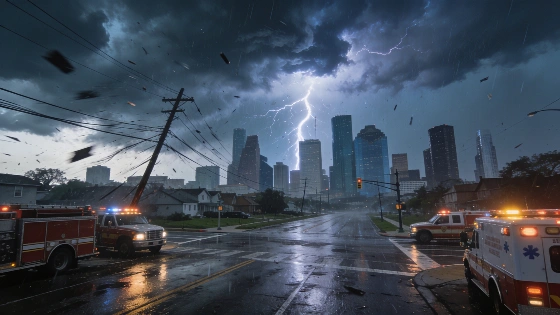
A powerful line of storms is forecast to sweep across the Midwest, bringing wind gusts over 75 mph, widespread power outages, and potential insurance claims as far as the East Coast. Households and businesses face rising risks and possible financial disruption
Severe weather is set to disrupt large parts of the Midwest and East Coast this week, with meteorologists warning of damaging winds, power outages, and the potential for a derecho-a rare, fast-moving storm system capable of causing widespread destruction. According to FOX Weather, the threat is expected to intensify Monday and Tuesday, affecting major metro areas and stretching from Wisconsin and Illinois to the Mid-Atlantic and Carolinas.
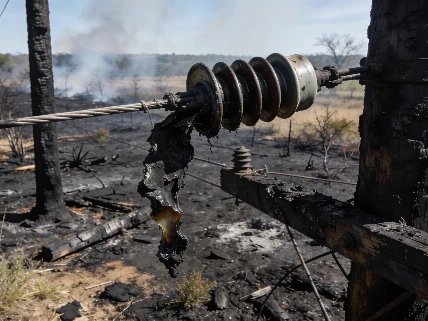
On Monday morning, storms began sweeping through northern Wisconsin, targeting cities like Green Bay during peak commute hours. Forecast models show the system forming a rapid-moving line, pushing south through Milwaukee and into Chicago by midday. As the storms organize into a Mesoscale Convective System-a large, cohesive cluster-they are expected to continue southward through Illinois and Indiana, reaching western Kentucky by evening. The primary risk is destructive straight-line winds exceeding 75 mph, which can topple trees, damage property, and disrupt transportation and utility services. While meteorologists note the potential for a derecho, they caution that it is too early to confirm whether this event will meet the technical criteria.
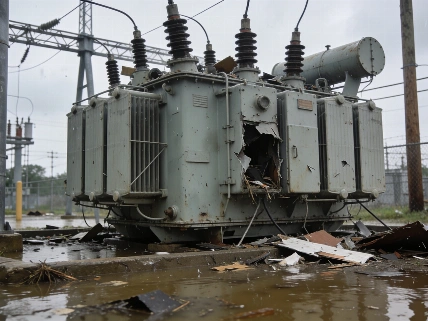
For households and businesses, the financial impact of such storms can be significant. Power outages may lead to spoiled food, lost business revenue, and unexpected expenses for backup power or temporary relocation. Homeowners and renters insurance policies typically cover wind damage, but deductibles and coverage limits vary. Businesses may face additional costs if operations are interrupted or inventory is lost. In recent years, severe convective storms have driven up insurance claims and contributed to rising premiums in affected regions.
Beyond wind damage, embedded tornadoes and flash flooding are also possible, especially as the storm system moves east. The Ohio Valley, New England, and the I-95 corridor could see additional rounds of severe weather, with risks shifting to the Mid-Atlantic and Carolinas on Tuesday. As temperatures climb and humidity increases, some storms may intensify, bringing large hail and isolated tornadoes. Flash flooding remains a concern for urban areas with aging infrastructure or limited drainage capacity, potentially leading to costly repairs and insurance claims.
According to the National Oceanic and Atmospheric Administration (NOAA), the U.S. experienced 18 separate billion-dollar weather and climate disasters in 2023, with severe storms accounting for a significant share of insured losses. The Insurance Information Institute reports that wind and hail damage are among the most common-and costly-homeowners insurance claims nationwide. As climate patterns shift and severe weather events become more frequent, insurers may continue to adjust rates and coverage terms, affecting household budgets and business planning.
For those in the path of these storms, practical steps include reviewing insurance policies, preparing emergency kits, and having a plan for power outages or evacuation if needed. Businesses should assess their continuity plans and ensure critical data and assets are protected. While not every severe weather event results in catastrophic loss, the financial consequences can be substantial for those unprepared or underinsured.
Understanding the mechanics of a derecho is essential for assessing risk. Unlike isolated thunderstorms, a derecho is a long-lived, widespread wind event associated with a fast-moving line of storms. These systems can travel hundreds of miles, producing wind damage over a broad area and overwhelming local emergency response and utility crews. Because derechos are less common than tornadoes but can cause comparable or greater damage, they present unique challenges for insurers, infrastructure planners, and households. Reviewing policy exclusions, updating emergency contacts, and staying informed through reliable weather sources can help mitigate both immediate and long-term financial risks.