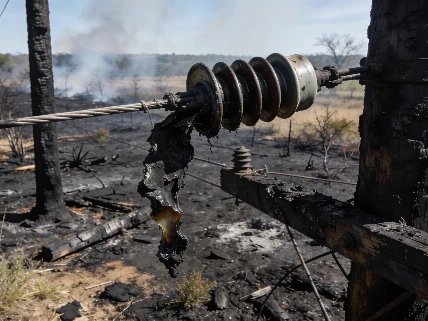
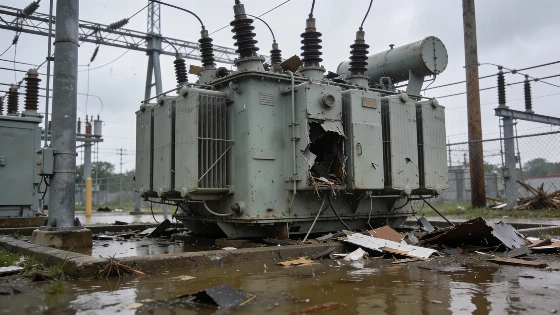
Severe storms in Indiana have left thousands without power, disrupted local events, and triggered a federal emergency declaration, highlighting the financial strain on households and the need for disaster response funding
Severe storms that swept through Indiana and the Chicago area this week have left a trail of financial and logistical challenges for residents and local governments. As recovery efforts continue, thousands remain without electricity, and the pace of restoration has been complicated by both weather and safety concerns. The storms, which began Tuesday, resulted in six reported deaths across Indiana, including three in the Chicago area, and caused widespread flooding as several rivers overflowed their banks.
Indiana Governor Mike Braun declared a statewide disaster emergency on Friday, and on Saturday, President Donald Trump approved a Presidential Emergency Declaration for the state. This move unlocks federal disaster assistance to supplement state, tribal, and local response efforts, including funding for emergency repairs, debris removal, and temporary housing. The Federal Emergency Management Agency (FEMA) announced that aid would be available to address the impact of severe storms, straight-line winds, tornadoes, and flooding that began on August 11, 2026.
Restoration Setbacks
Efforts to restore power in northwest Indiana faced an unexpected setback when a NIPSCO utility vehicle was struck by gunfire in Gary late Friday night. While no injuries were reported, the incident forced a temporary pause in restoration work as law enforcement investigated and additional security measures were considered. According to local officials, the vehicle involved was not a typical utility truck, which has raised questions about whether the shooting was targeted or accidental. Restoration activities resumed Saturday evening, but some residents expressed frustration over the delays and the ongoing lack of electricity.
For many households, the extended outage has meant spoiled food, lost work hours, and increased expenses for alternative accommodations or generators. Residents in Gary, who have been without power since Tuesday, voiced concerns about the prioritization of service restoration and the financial burden of prolonged outages. The city is now coordinating with NIPSCO, the Gary Police Department, Indiana State Police, and state officials to ensure utility crews can work safely. Additional state troopers have been deployed to support local law enforcement.
Community and Economic Impact
The storms have also disrupted local events and economic activity. The Gary Air Show, scheduled for the following weekend, was canceled so that first responders could focus on storm cleanup and recovery. In Chicago, weather conditions delayed the start of the city's Air and Water Show, with organizers working closely with the Federal Aviation Administration to ensure safety. While heavy rain was initially forecast for Saturday, the worst of the system missed most of the city, though light to moderate rain persisted in some areas.
According to the U.S. Department of Energy, as of August 16, 2026, more than 50,000 customers in Indiana remained without power following the storms, with the majority concentrated in Lake, Porter, and LaPorte counties. The financial impact of extended outages can be significant, especially for lower-income households that may lack insurance coverage for spoiled food or temporary lodging. FEMA disaster assistance can help offset some of these costs, but the application process and eligibility requirements can delay relief for affected families.
Looking Ahead
Weather forecasts indicate the potential for additional storms in the Chicago area between late Saturday and early Sunday, raising concerns about further delays in recovery and the risk of renewed flooding. Meteorologists expect conditions to improve after Sunday morning, with limited rain chances in the following week, offering some relief to communities still dealing with the aftermath of Tuesday's storms. Residents in Cook County who experienced property damage are being asked to complete an online survey by August 24 to help local officials assess needs and coordinate assistance.
For households facing storm-related losses, understanding the scope of available disaster aid is critical. Federal assistance may cover temporary housing, repairs, and certain uninsured losses, but not all expenses are eligible. Homeowners and renters should document damages, keep receipts for emergency purchases, and review their insurance policies to determine what is covered. Those with significant losses may also want to consult with a qualified financial or legal professional to navigate the claims process and maximize available support.
Disaster declarations can trigger a range of federal and state resources, but the speed and adequacy of aid often depend on the scale of the event and the efficiency of local response systems. In recent years, the frequency and severity of weather-related disasters have increased, putting additional pressure on emergency management budgets and highlighting the importance of household emergency funds. For many families, the financial fallout from even a short-term disruption can be lasting, especially if insurance coverage is limited or delayed.