SpaceX stock has dropped nearly 50% from its high, and a major share lockup expires August 6, putting $100 billion in employee and investor shares in play. Morgan Stanley warns this could be a critical test for the newly public company.
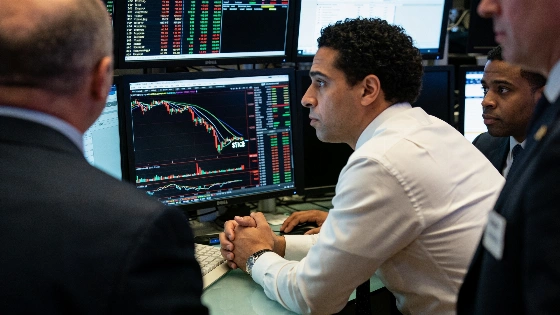
SpaceX is approaching a pivotal moment as it prepares to report its first quarterly results as a public company on August 4. The company's stock, which debuted at $135 in June, soared to $225.64 within days but has since fallen to around $112, according to Yahoo Finance. That puts shares nearly 20% below their IPO price and marks a roughly $1.5 trillion drop in market capitalization from the peak, a contraction larger than the entire current value of Tesla.
Share Unlock Looms
The most immediate risk for SpaceX investors is not the upcoming earnings report, but the expiration of a major share lockup on August 6. On that date, approximately 911.5 million shares-about 20% of restricted holdings for eligible employees and early investors-will become eligible for sale. At current prices, this represents roughly $100 billion in potential new supply hitting the market. This is the first of eight scheduled unlocks that will gradually make nearly 4 billion shares available for trading through January 2027, according to a report from TheStreet.
Market participants are watching closely to see how much selling pressure emerges as early investors and employees, many of whom have waited years for liquidity, gain the ability to cash out. Morgan Stanley has described these sellers as relatively insensitive to price, suggesting that many may prioritize liquidity over maximizing gains, especially after a decade or more of holding restricted shares.
Investor Sentiment and Market Dynamics
Recent investor meetings indicate that more than two-thirds of institutional investors are bearish on SpaceX through the end of the year, according to TheStreet. The near-term outlook is dominated by concerns about the scale of potential selling after the lockup expires. While some long-term investors see opportunity at current levels, many are waiting for the initial wave of selling to subside before considering new positions.
Morgan Stanley maintains an Overweight rating and a $300 price target on SpaceX, arguing that the market is undervaluing the company's artificial intelligence and enterprise businesses. The firm's sum-of-the-parts analysis assigns significant value to SpaceX's AI segment, which it believes is not fully reflected in the current share price. At $100 per share, SpaceX would trade at 18 times projected 2028 enterprise value to EBITDA, with little or no value assigned to its AI opportunity, making it cheaper than Walmart on a forward earnings basis.
Earnings Preview and Key Metrics
For the upcoming quarter, Morgan Stanley expects revenue of $6.75 billion, adjusted EBITDA of $2.0 billion, and an adjusted loss per share of $0.35. The firm also projects 12 million consumer Starlink subscribers with an average monthly revenue per user of $65.50. Consensus estimates are slightly higher on most metrics, based on Visible Alpha data cited by TheStreet.
Investors are less focused on the headline numbers and more interested in management's commentary on the earnings call. Key topics include updates on Starship development timelines, the pace of compute infrastructure deployment, and the integration of recent AI acquisitions. The call is expected to follow the style of Tesla's earnings calls, with limited quantitative guidance and a focus on high-level strategic direction.
Technical and Strategic Catalysts
While the share unlock is the dominant near-term narrative, Morgan Stanley identifies a technical milestone as a potential catalyst for sentiment. Starship Flight 14, scheduled for late August or early September, will attempt to catch the Starship upper stage for the first time-a step toward full rocket reusability. A successful demonstration could help shift the narrative for long-term holders who have been waiting for progress on SpaceX's core technology goals.
As of June 2026, SpaceX's market cap stands at approximately $1.48 trillion, down from a brief high above $3 trillion. The company's upcoming share unlock and earnings report will test both investor confidence and the stock's ability to absorb a large influx of newly tradable shares. For investors, the next several weeks may reveal whether SpaceX can stabilize after its turbulent public debut or faces further volatility as insiders gain the ability to sell.
Share lockups are a common feature of initial public offerings, designed to prevent a flood of insider selling immediately after a company goes public. When these restrictions expire, the resulting increase in available shares can put downward pressure on the stock price, especially if early investors or employees are eager to cash out. The impact often depends on the size of the unlock relative to daily trading volume, the company's recent performance, and overall market sentiment. For companies with high-profile IPOs and large insider ownership, the first major unlock can be a critical test of market confidence and price stability.