A Supreme Court decision could trigger up to $175 billion in tariff refunds for U.S. companies, potentially strengthening the cash positions of import-heavy retailers and influencing their investment, debt, and shareholder strategies
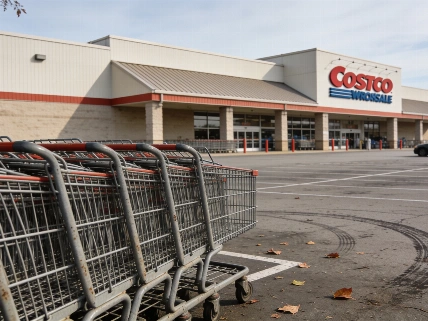
U.S. retailers that rely heavily on imported goods may soon see a significant improvement in their financial flexibility, following a Supreme Court ruling that challenges the legality of certain tariffs imposed under the International Emergency Economic Powers Act (IEEPA). If the decision stands after ongoing legal proceedings, it could result in as much as $175 billion in tariff refunds to American businesses, according to estimates from the Penn Wharton Budget Model. For companies like Walmart, Costco, and Target, which import large volumes of merchandise each year, the potential influx of cash could reshape balance sheets and influence strategic decisions.
These tariffs, originally enacted during the Trump administration, raised costs for a wide range of imported products, from electronics and appliances to clothing and household goods. Retailers faced a choice: absorb the higher expenses or pass them on to consumers through price increases. A refund would return a portion of those costs, but the impact will vary depending on how each company managed the tariffs and whether they paid the duties directly.
How Refunds Could Affect Retailers
For import-heavy retailers, a substantial refund could provide a meaningful boost to free cash flow. Rather than immediately lowering prices, companies are more likely to use the funds to strengthen profit margins, pay down debt, repurchase shares, or invest in new initiatives. The scale of the potential refunds means that even incremental improvements in cash flow could have a noticeable effect on financial statements and shareholder value over time.
However, not all retailers will benefit equally. Only companies that paid the tariffs ruled unlawful are eligible for refunds. Businesses that shifted supply chains, negotiated lower prices with suppliers, or successfully passed costs to customers may see less direct benefit. The distribution of refunds will depend on each company's import profile and tariff exposure during the affected period.
Legal and Timing Uncertainties
While the Supreme Court's decision represents a major development, the process is far from complete. Additional legal proceedings and appeals could delay the distribution of refunds, and the timeline for payments remains uncertain. Moreover, the ruling does not eliminate all tariffs currently in place. Other tariffs imposed under different trade authorities, such as Section 301 of the Trade Act of 1974 and Section 232 of the Trade Expansion Act of 1962, remain unaffected and continue to impact importers.
Retailers and investors should view the potential refunds as a medium-term catalyst rather than an immediate windfall. The eventual outcome will depend on the resolution of ongoing litigation and the specifics of how refunds are calculated and distributed.
Broader Implications for the Retail Sector
The possibility of a $175 billion refund stands out as one of the largest potential cash transfers to U.S. businesses in recent years. For context, Walmart reported $648 billion in revenue for its fiscal year ended January 2024, while Target and Costco posted annual revenues of $107 billion and $242 billion, respectively, according to company filings. Even a fraction of the estimated refund could represent a significant addition to these companies' cash reserves, enabling greater flexibility in capital allocation and strategic planning.
Tariffs are a recurring factor in global trade policy, and their financial impact on U.S. retailers can be substantial. When tariffs are imposed, companies must decide whether to absorb the cost, pass it on to consumers, or adjust supply chains. Refunds of previously paid tariffs can temporarily improve liquidity, but they do not address ongoing exposure to future trade policy changes. For investors and executives, understanding the mechanics of tariff policy-and the legal and regulatory risks involved-remains essential for evaluating the long-term outlook of import-dependent businesses.