
Tropical Storm Lala has knocked out power to 165,000 customers and damaged at least 100 homes in Hawaii, forcing widespread closures and raising concerns about insurance claims, travel disruptions, and the cost of recovery
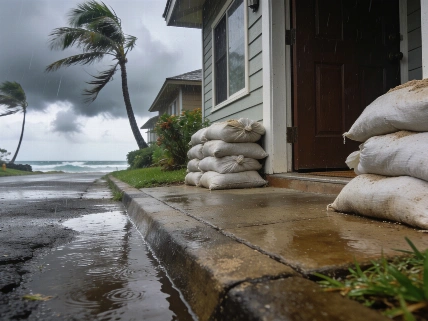
Tropical Storm Lala battered Hawaii over the weekend, leaving more than 165,000 customers without electricity and damaging or destroying at least 100 homes across the islands. As the storm's center moved away from Kauai late Sunday, residents and officials began to assess the financial and logistical fallout from days of flooding, hurricane-force wind gusts, and widespread infrastructure damage. State and county offices, schools, and courts will remain closed Monday as cleanup and emergency response efforts continue.
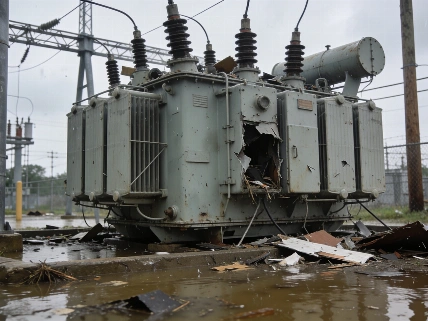
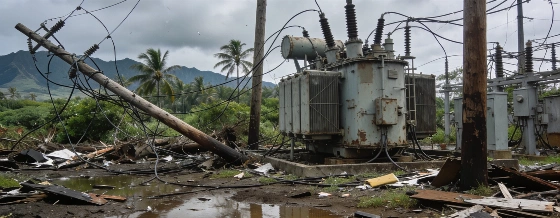
Power outages remain a major concern, with utility crews facing downed trees and power lines that have blocked roads and hampered restoration work. According to the Hawaii Emergency Management Agency, the strongest winds hit mountainous areas, amplifying the risk of further landslides and flash flooding. Flood watches and tropical storm warnings persisted for Kauai, Oahu, and Maui counties into Monday morning, with heavy rainfall still possible as the storm's outer bands pass.
Travel disruptions have added to the economic strain. More than 190 flights were delayed and 52 canceled, though airports stayed open. Many roads, especially on the Big Island, are closed due to debris, landslides, and collapsed bridges, isolating some communities and even cutting off access to a small hospital now operating without power. Emergency shelters saw increased use as residents evacuated flood-prone areas, and grocery stores and gas stations were crowded as people stocked up on essentials.
Hawaii Governor Josh Green reported that rescue crews saved several lives, including an elderly woman swept into a tree after her home was washed away. The storm's impact included a collapsed road in Naalehu, which created a new waterfall and left bridges damaged. While one fatal car accident was initially linked to the storm, officials later said the connection was unclear. Another death was reported, but the cause remains under investigation.
As Lala moves west, the risk of flash flooding and mudslides remains high, especially in steep terrain. Large waves and coastal flooding are expected to continue through Sunday night, with gradual improvement from east to west by Monday. The National Hurricane Center has warned that life-threatening flooding and mudslides are possible, and the Hawaii Emergency Management Agency urged residents to avoid flooded areas and downed power lines even after the storm passes.
Insurance claims are likely to rise as homeowners and businesses begin to document losses. The financial impact of the storm will depend on the extent of property damage, the speed of power restoration, and the ability of local governments to reopen roads and public services. For many residents, the immediate priority is safety and access to basic needs, but longer-term recovery will hinge on insurance payouts, federal disaster aid, and the resilience of Hawaii's infrastructure.
Hawaii's vulnerability to severe weather has been heightened by ongoing marine heat waves and a developing Super El Niño, which have kept ocean temperatures above normal and increased the risk of intense storms. The National Oceanic and Atmospheric Administration forecasts an above-average central Pacific hurricane season, with five to 13 cyclones expected. As recent coverage of earlier storm threats highlighted, property owners and insurers are watching closely for further developments that could affect premiums, claims, and the broader local economy.
According to the U.S. Energy Information Administration, Hawaii's electricity rates are the highest in the nation, averaging more than 40 cents per kilowatt-hour as of early 2026. Extended outages can quickly translate into significant costs for households and businesses, especially those reliant on refrigeration, medical equipment, or remote work. The state's reliance on imported fuel for power generation also means that disruptions can have outsized economic effects compared to the mainland.
Natural disasters like tropical storms and hurricanes often expose gaps in insurance coverage, infrastructure resilience, and emergency preparedness. In Hawaii, many homeowners face high premiums or limited options for flood and wind insurance, especially in coastal or high-risk areas. Federal disaster declarations can unlock aid, but the process of filing claims, securing repairs, and rebuilding can take months or longer. For renters and small businesses, the financial strain may be compounded by lost income and limited access to credit. As climate patterns shift and severe weather becomes more frequent, the cost of insuring property in vulnerable regions is likely to rise, putting additional pressure on household budgets and local economies.