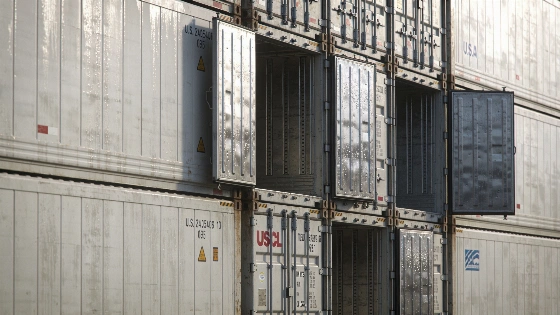
A new White House plan to allow 300,000 metric tons of tariff-free ground beef imports aims to cut grocery costs but faces backlash from U.S. ranchers and lawmakers worried about long-term industry harm
President Donald Trump has unveiled a plan to temporarily waive tariffs on up to 300,000 metric tons of imported ground beef over the next three months, a move the administration says is designed to lower prices for American consumers. The White House expects the imported beef to be sold at prices at least 25% below current U.S. market levels, with the formal executive order anticipated within two weeks. The announcement comes as beef prices have surged in 2026, driven by a shrinking U.S. cattle herd, persistent drought, high feed costs, and herd liquidation, leaving the nation's cattle numbers at their lowest since the 1950s.
The administration has not disclosed which foreign exporters or companies are involved in the deal, nor has it detailed how the price commitments will be enforced. The policy is intended to provide short-term relief for consumers while the domestic cattle industry attempts to rebuild. Trump's team argues that the measure will give U.S. ranchers time to recover from supply shocks, including disease outbreaks and weather-related losses, without further inflating grocery bills for families already squeezed by food inflation.
Industry Pushback
The plan has drawn immediate criticism from the National Cattlemen's Beef Association and Republican senators representing major beef-producing states. Industry leaders argue that flooding the market with cheaper, government-subsidized foreign beef could depress cattle prices and undermine efforts to rebuild the U.S. herd. They warn that the move may benefit consumers in the short term but risks long-term damage to domestic producers, many of whom are already struggling with high input costs and market volatility.
Senators from Montana and Nebraska have voiced concerns that the tariff waiver could make it harder for American ranchers to recover, especially as they face competition from large meatpacking companies and foreign suppliers. Critics also point out that most imported beef trimmings are frozen and destined for food service operations, not the fresh meat cases in grocery stores, potentially limiting the impact on retail prices for consumers.
Tariff Structure and Market Impact
Under current U.S. trade rules, beef imports within established country quotas face a nominal tariff of 4.4 cents per kilogram, while imports above quota are hit with a 26.4% tariff. For beef valued at around $7 per kilogram, this difference can add more than $1.80 per kilogram in tariff costs, according to the American Farm Bureau Federation. By waiving these out-of-quota tariffs, the administration aims to make imported beef more competitive and ease pressure on domestic prices.
Market reaction was swift, with cattle futures and cash prices moving lower following the announcement, reflecting concerns about increased supply and downward pressure on U.S. beef prices. Industry analysts note that while imported beef is already trading at a discount, the real impact on grocery store prices may be muted, as most imported trimmings are used in processed or fast-food products rather than fresh retail cuts.
Broader Economic Context
The decision comes as food inflation remains a top concern for American households and a political flashpoint ahead of the November congressional elections. With the U.S. cattle herd at historic lows, rebuilding domestic supply is expected to take years, and any policy that affects rancher profitability could influence the pace of recovery. The administration's move reflects a balancing act between immediate consumer relief and the long-term health of the domestic beef industry.
According to the U.S. Department of Agriculture, the national cattle inventory fell to its lowest level in over 70 years as of January 2026, with total headcount dropping below 89 million. Retail beef prices have climbed more than 15% year-over-year, outpacing overall food inflation. The U.S. typically imports beef from countries such as Australia and Brazil, with most shipments arriving as frozen trimmings used in ground beef production for restaurants and food service companies.
For consumers, the tariff waiver could bring some relief at the checkout counter, but the extent and duration of price declines remain uncertain. For ranchers, the policy introduces new risks, as increased imports may further depress cattle prices and complicate efforts to rebuild herds. Industry groups are calling for longer-term solutions, such as incentives for herd expansion and measures to address market concentration among meatpackers, rather than short-term import relief.
U.S. beef trade policy is shaped by a complex system of quotas and tariffs designed to balance domestic producer interests with consumer demand. Quota levels are negotiated with major exporting countries, and out-of-quota tariffs are intended to protect U.S. ranchers from sudden surges in foreign supply. Changes to these rules can have ripple effects throughout the supply chain, influencing everything from feedlot profitability to grocery store prices. As policymakers weigh competing priorities, the debate over beef imports highlights the broader challenges of managing food inflation, supporting domestic agriculture, and ensuring affordable access to staple foods for American families.