Trump says foreign companies may face tariffs of 150% to 300% unless they build factories in the United States. With U.S.-China disputes unresolved, businesses must weigh a temporary truce against the risk of a sudden policy shift.
At a campaign rally in Ohio last weekend, President Donald Trump said foreign companies selling goods in the United States would have roughly 18 months to build factories in the country or potentially face tariffs of 150% to 300%. The threat puts companies weighing new U.S. facilities on a short clock.
As of Oct. 7, it remains a political statement, not an implemented tariff policy. No regulation, application mechanism, effective date or list of affected goods has been published. Still, the possibility can shape decisions well before any rate takes effect, as companies plan facilities, sign supplier contracts and map out production years ahead.
The U.S. list of goods under consideration contains 77 categories of Chinese imports; China's list includes 1,619 categories of U.S. products. Both lists' roughly $30 billion valuations are based on 2024 import data.
A costly factory decision
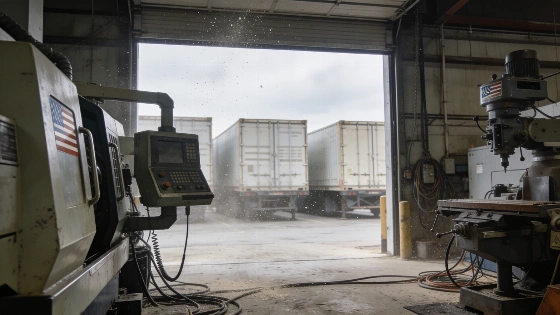
Trump cited South Korea, China, Japan and Canada, and argued that tariffs are pushing foreign businesses to invest in U.S. manufacturing. But building a factory takes more than changing suppliers. Companies need equipment, workers, suppliers, permits and capital, and an 18-month window may be hard to meet even for a business ready to shift production.
If tariffs take effect, importers have a few ways to respond: absorb the higher costs and accept thinner profit margins, raise prices or move production. None is an instant fix. A 300% tariff is not a settled outcome, but companies cannot brush off the risk just because the top rate may never arrive. They still have to make commitments while the rules are uncertain.
The warning came less than two weeks after Trump met Chinese President Xi Jinping in Washington. Investors had hoped for more progress in the trade dispute between the world's two largest economies. Instead, the countries agreed to extend their existing trade truce from Nov. 10, 2026, to Jan. 10, 2027, according to Caixin Global.
The current extension builds on an October 2025 agreement that temporarily suspended some tariffs and non-tariff measures through Nov. 10, 2026. The extension to Jan. 10, 2027, is not a final trade agreement, and key disputes remain unresolved.
On Sept. 28, the countries also released lists of non-sensitive goods worth about $30 billion on each side that may receive more favorable tariff treatment. Together, the lists cover roughly $60 billion in bilateral trade, but they do not guarantee tariff cuts. The specific rates and start date have not been set, and both countries must complete domestic legal procedures before putting the changes in place. U.S. Trade Representative Jamieson Greer called the initiative a way to expand market access, not a resolution of the dispute. An industry account of the lists also explains the difference in category counts.
Markets price policy risk
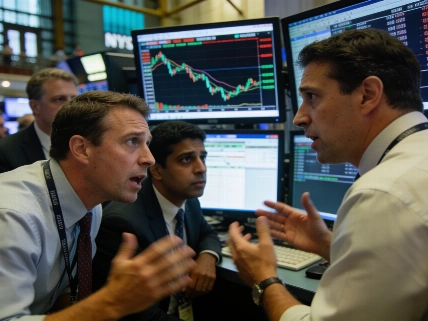
Investors have already seen how fast tariff threats can weigh on stocks. Earlier this year, when Trump threatened new tariffs against several European countries, the S&P 500 fell 2.1% in one session and the Nasdaq Composite dropped 2.4%. Reuters attributed the broad sell-off largely to renewed concern about trade uncertainty.
Stocks have since climbed, but that strength does not remove the risk. The S&P 500 entered October up nearly 13% for the year, and the Nasdaq recently reached another record high. Those numbers show past performance, not protection from future policy shocks. A related market analysis examined how tariffs, higher oil prices and bond yields can combine to pressure growth stocks.
The main market risk is not just whether a 300% rate takes effect. Businesses also have to forecast what it will cost to import components or sell finished products over the next year. That uncertainty can delay investment and make profit planning harder, even while major indexes sit near records.
Why the timing matters
Tariffs add costs to imported goods and change the economics of cross-border production. Companies may pass some of the expense on to customers, absorb it in their margins or look for different suppliers. The options depend on their contracts and how quickly they can shift production. A supply chain cannot be moved overnight to answer a tariff decision.
The threat puts long-term factory and sourcing plans on a short, uncertain clock, even before it becomes policy. The truce gives the United States and China time to talk, but their disputes remain unresolved and Trump's warning leaves open the chance of another sudden change. For businesses and investors, decisions about committing capital still depend on rules that may shift.