A surge in oil tankers using the Omani route and increased US naval patrols are shifting control of the Strait of Hormuz, raising new questions about shipping security and energy flows in a region critical to global oil markets
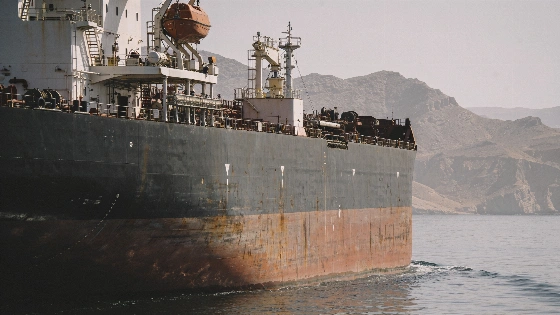
The balance of power in the Strait of Hormuz-a vital chokepoint for global oil shipments-has shifted in recent weeks, with the United States expanding its influence as Iran's ability to control the waterway appears to be slipping. According to data from Kpler, a firm specializing in maritime tracking, more than 80% of vessels transiting the strait over the past two weeks have opted for the Omani route, a UN-sanctioned shipping channel that Iran has long opposed. This marks a dramatic change from just a month ago, when nearly all commercial traffic avoided the Omani corridor due to Iranian threats and attacks.
Iran has repeatedly asserted its authority over the strait, targeting dozens of ships that attempted to navigate near the north coast of Oman. Despite these risks, most shipping companies are now choosing the Omani route, relying on the presence of US naval forces for protection. This shift has not only reduced Iran's leverage over shipping lanes but has also cut off a key source of revenue, as Iran has been unable to collect tolls from vessels using its preferred route since the spring. The recent expiration of a Memorandum of Understanding between the US and Iran theoretically allows Iran to resume toll collection, but so far, there is little evidence that shipping companies are complying.
Changing Shipping Patterns
Major oil exporters in the region-including Kuwait, Saudi Arabia, and the United Arab Emirates-have responded by chartering Very Large Crude Carriers (VLCCs) to move oil out of the Persian Gulf via the Strait of Hormuz. To avoid detection and potential attacks, many of these tankers have turned off their transponders for extended periods, a practice known as "going dark." While this makes it harder for commercial tracking services to monitor traffic, US military surveillance has reportedly provided a more complete picture of oil flows, suggesting that actual shipping volumes may be higher than previously estimated.
According to the US Department of Energy, combined oil shipments through the strait and rerouted around the area recently reached approximately 15 million barrels per day-approaching the pre-conflict average of 20 million barrels per day. This recovery in shipping volume is significant for global energy markets, as the Strait of Hormuz typically handles about one-fifth of the world's daily oil consumption.
Uncertain Control and Regional Tensions
Despite the increased US presence and the shift in shipping patterns, neither side has achieved undisputed control over the strait. While President Donald Trump has claimed that the US now has "total control," ongoing Iranian attacks and the fact that oil flows remain below pre-war levels indicate that the situation is far from settled. Iran's strategy appears to have shifted from direct control to deterrence, aiming to maintain influence by threatening shipping rather than physically blocking it.
Meanwhile, Oman and Iran have begun talks aimed at restoring freedom of navigation in the strait without US involvement. The outcome of these discussions remains uncertain, and their impact on future shipping routes and regional stability is unclear. For now, the willingness of shipping companies to risk the Omani route under US protection suggests that Iran's ability to dictate terms in the strait has diminished, at least temporarily.
Market Impact and Energy Security
The evolving situation in the Strait of Hormuz has direct implications for global oil prices and energy security. Any disruption in the flow of oil through the strait can quickly ripple through international markets, affecting everything from gasoline prices in the US to the cost of goods worldwide. The recent increase in shipping volumes has helped stabilize prices, but the risk of renewed conflict or further attacks remains a concern for traders and policymakers alike.
According to the US Energy Information Administration, the average spot price for Brent crude oil hovered around $82 per barrel in May 2026, reflecting both the ongoing geopolitical risks and the partial recovery in shipping activity. Market participants continue to monitor developments in the region closely, as any escalation could trigger price spikes or supply shortages.
The Strait of Hormuz remains one of the world's most strategically important maritime passages, with roughly 21 million barrels of oil per day-about 21% of global petroleum liquids consumption-passing through in 2023, according to the US Energy Information Administration. The ability of regional powers and international forces to secure this route is critical not only for oil exporters in the Middle East but also for energy importers worldwide, including the United States. Insurance premiums for tankers transiting the strait have historically surged during periods of heightened tension, adding to the cost of global energy supply chains. As the situation evolves, shipping companies, insurers, and governments will need to weigh the risks and adapt their strategies to ensure the continued flow of energy through this vital corridor.