Xiaomi's Q2 profit plunged 42.6% as surging memory chip prices, fueled by AI data center demand, squeezed margins on its budget smartphones and forced a shift toward higher-priced models
For years, falling memory and display costs allowed smartphone makers to pack more features into affordable devices without raising prices. That dynamic has shifted sharply as artificial intelligence has driven a surge in demand for advanced memory chips, leaving companies like Xiaomi exposed to a new kind of supply chain pressure.
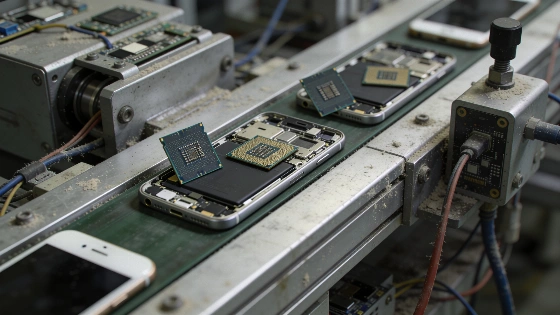
In the second quarter of 2026, Xiaomi-the world's third-largest phone manufacturer-reported a 42.6% drop in adjusted net profit to 6.2 billion yuan (about $919 million), missing analyst expectations. Revenue fell 6.1% to 108.9 billion yuan, marking the company's third straight quarterly profit decline. The main culprit: a spike in prices for conventional DRAM and NAND flash memory, the essential chips that power and store data on smartphones.
AI's Ripple Effect on Phone Prices
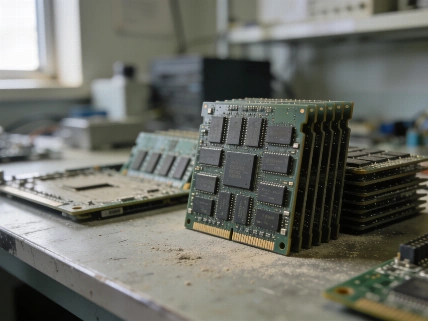
As data center operators race to build out infrastructure for AI workloads, suppliers like Samsung and SK Hynix have shifted production toward higher-margin, advanced memory chips. This has reduced the supply of standard memory used in consumer electronics, driving up costs for phone makers. According to Omdia data, Xiaomi is especially vulnerable because more than half its shipments are priced below $200, leaving little room to absorb component price shocks.
While premium brands such as Apple can cushion these increases with higher margins, Xiaomi's focus on volume at the low end of the market has left it exposed. In Q2, the company's smartphone revenue dropped 7.5% to 42.1 billion yuan, and gross margin in the handset division shrank to 8.5% from 11.5% a year earlier. Xiaomi shipped 31.2 million phones in the quarter, down 26% from the same period in 2025, as it deliberately scaled back lower-end models most affected by memory inflation.
Trading Volume for Margin
To offset rising costs, Xiaomi raised its average selling price to a record 1,351 yuan and increased the share of premium devices (priced above 3,000 yuan) to 32.1% of mainland China sales. Despite these moves, the company's smartphone gross margin still fell by three percentage points. The strategy was clear: Xiaomi chose to sacrifice volume at the low end, where memory price spikes could turn already thin margins negative, in favor of higher-priced models. Yet even with this shift, the margin squeeze persisted.
"Significant increases in key component costs, including memory," along with tougher competition, were cited as major headwinds in Xiaomi's earnings statement. The company's experience highlights how AI's appetite for advanced chips is now affecting firms far removed from the AI sector itself. This echoes a broader trend in tech, as seen when major investors like Bill Ackman recently shifted away from AI-fueled tech giants toward payment networks and data firms, as discussed in our coverage of Ackman's portfolio moves.
EV Ambitions and Financial Cushion
With smartphone profits under pressure, Xiaomi has accelerated its push into electric vehicles (EVs). In Q2, the company delivered 104,199 EVs, up 28.2% year over year, and generated 23.9 billion yuan in EV revenue. However, the EV and AI segment posted an operating loss of 2.6 billion yuan, and research and development spending climbed nearly 19% to 9.2 billion yuan. The new business lines are not yet profitable and currently consume about 40% of the group's adjusted profit.
Xiaomi's balance sheet remains strong, with 219.3 billion yuan in cash and equivalents against 39.3 billion yuan in borrowings at quarter-end. No interim dividend was declared, giving the company flexibility to weather ongoing volatility in component costs and invest in new growth areas.
What's Next for Xiaomi-and Consumers
Management signaled that the worst of the memory price surge may be over, with the pace of increases slowing in the second half of the year. Still, prices are expected to keep rising, albeit less sharply. The impact is already being felt by consumers, as handset prices have climbed in the U.S. and other markets due to the same supply constraints. For investors, the next two quarters will be critical in determining whether Xiaomi's smartphone margins stabilize or erode further, and whether its new EV models can improve the company's overall profitability mix.
The broader lesson is that AI's rapid expansion is now influencing costs across the tech supply chain, even for companies that do not directly participate in the AI boom. As Xiaomi's experience shows, these costs are increasingly being passed on to consumers, with phone prices rising multiple times this year to offset higher memory expenses.
Memory chips are a foundational component in smartphones, and their pricing is shaped by global supply and demand dynamics. When AI data centers compete for the same chips as consumer electronics, shortages and price spikes can ripple through the entire industry. For consumers, this means that the price of a new phone may reflect not just the latest features, but also the hidden costs of a global technology arms race.