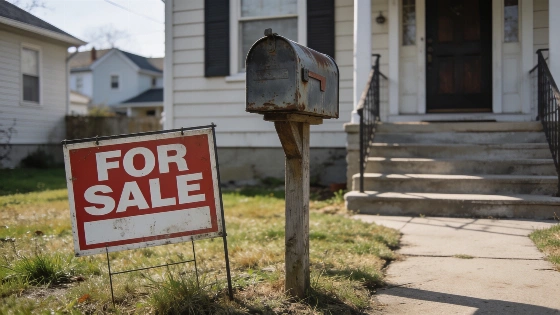
Zillow warns that saving for a down payment and breaking even on a home purchase now takes nearly four years longer than before the pandemic, as high mortgage rates and a housing shortage reshape the financial math for buyers
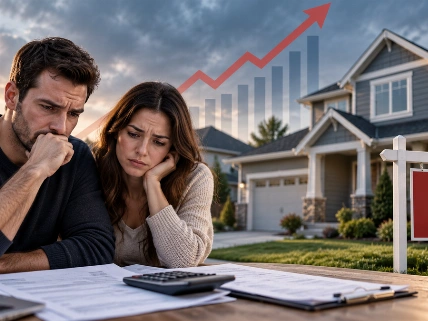
For Americans hoping to buy a home, the financial hurdles are growing steeper. Zillow is warning that the time required to save for a down payment and reach the financial break-even point-when owning becomes more cost-effective than renting-has stretched significantly in recent years. The company's latest analysis finds that, nationwide, a median-income household putting aside 10% of its income would need 8.5 years to save a 20% down payment on a typical single-family home. After purchase, it would take another 6.2 years before the total costs of owning fall below those of renting, bringing the total timeline to nearly 15 years.
This extended timeline reflects both high home prices and elevated mortgage rates. As of August 20, Freddie Mac reported the average 30-year fixed-rate mortgage at 6.65%, only slightly below the previous week's 6.67%. Daily rates tracked by Mortgage News Daily reached 6.77% on August 21. While these rates offer modest relief compared to recent peaks, they remain well above pre-pandemic levels, keeping monthly payments high for new buyers. Freddie Mac's chief economist has emphasized that borrowers can potentially save thousands by shopping for the best available rate, but the overall cost environment remains challenging.
How Break-Even Timelines Vary by Market
Housing market dynamics vary sharply by region. In Austin, Texas, for example, buyers can save for a 20% down payment in about eight years-faster than the national average-but may wait up to 18 years after purchase to break even compared to renting, due to recent declines in local rents. In contrast, Miami buyers typically spend more years saving but reach the break-even point much sooner after buying, ultimately coming out ahead of Austin buyers by about three years. Zillow notes that opting for a starter home-defined as a property in the bottom third of local values-can cut the total timeline in half, with buyers able to save and break even in just 7.2 years on average. Yet many buyers are reluctant to take on major renovation projects, as turnkey homes now command a 2.9% premium over expectations, while fixer-uppers sell for 14% less but may require significant additional investment.
The root of the affordability crisis, according to Zillow, is a nationwide housing shortage estimated at 4.7 million homes. This deficit is most acute in major metros like Los Angeles, where the shortfall approaches 345,000 homes and the break-even timeline for buyers can stretch to nearly 38 years. Addressing this gap, Zillow advocates for policy changes such as updating zoning laws to allow higher-density construction, streamlining permit approvals, and expanding financing options for manufactured homes. These measures, the company argues, are essential to reducing the time and cost barriers facing would-be homeowners.
Buying Versus Renting in Today's Market
Compared to July 2019, when the national timeline to save and break even was about 11 years, today's buyers face a wait nearly four years longer. This shift underscores how the combination of rising prices, higher rates, and limited inventory has fundamentally altered the homebuying equation. For those weighing whether to buy or rent, Zillow stresses that the decision depends not only on financial readiness but also on how long buyers plan to stay in the home, as the benefits of ownership accrue over time. Renting, meanwhile, offers flexibility and freedom from maintenance costs, which may appeal to those uncertain about their long-term plans.
For a broader perspective on how company-specific risks can affect financial outcomes, see this analysis of margin pressures and earnings outlooks in the tech sector: Bank of America's warning on HP's margin risks.
According to the National Association of Realtors, the median existing-home price in the U.S. reached $410,200 in July 2026, up 4.2% from a year earlier. Inventory remains tight, with total housing supply at just 3.1 months at the current sales pace, well below the six-month level considered balanced. First-time buyers accounted for 29% of sales, down from historical averages, reflecting the ongoing affordability squeeze. Mortgage Bankers Association data shows purchase loan applications in August were 27% lower than the same period in 2022, highlighting the impact of higher rates and prices on buyer demand.
What Buyers Should Consider Before Purchasing
Understanding the break-even timeline is crucial for anyone considering homeownership. This metric combines the years needed to save for a down payment with the period required for the total costs of owning to fall below those of renting. The calculation includes not just mortgage payments but also property taxes, insurance, maintenance, and opportunity cost of the down payment. In high-cost or fast-appreciating markets, the break-even point may arrive sooner, but in areas with stagnant prices or falling rents, it can take much longer. Buyers should weigh these factors alongside their expected length of stay, job stability, and willingness to handle repairs or renovations. Ultimately, the right decision depends on a mix of financial, personal, and market-specific considerations.