Anthropic, the company behind Claude, is preparing for a potential IPO that could value it near $1 trillion. The move may give U.S. investors their first direct shot at the AI model layer, but risks and questions remain as Wall Street weighs the deal
The artificial intelligence boom has reshaped the investing landscape, with chipmakers like Nvidia and cloud giants such as Microsoft, Google, and Amazon capturing much of the market's attention-and capital. Yet the companies actually developing the core AI models have remained private, leaving most investors unable to participate directly in their growth. That dynamic is about to shift as Anthropic, the developer of the Claude AI platform, moves closer to a public listing that could redefine how investors access the heart of the AI revolution.
Anthropic confidentially filed its draft registration statement with the Securities and Exchange Commission (SEC) on June 1, 2026, according to reporting by TheStreet. Since then, the company has engaged Morgan Stanley, Goldman Sachs, and JPMorgan Chase as lead underwriters, signaling that Wall Street's largest banks see this as a major market event. Bankers are now arranging meetings between Anthropic executives and institutional investors to gauge demand, test pricing, and address questions about the company's business model and financials. The target for the IPO is October, though that timeline could shift depending on investor feedback and the SEC's review process.
IPO Mechanics and Market Impact
Anthropic's IPO is notable not just for its timing but for its scale. In May 2026, the company closed a $65 billion Series H funding round at a post-money valuation of $965 billion, according to Investing.com. This valuation surpassed that of OpenAI for the first time and put Anthropic within striking distance of becoming the first AI model developer to reach a trillion-dollar valuation before going public. The company's rapid revenue growth has fueled investor interest: annualized revenue was about $9 billion at the end of 2025, jumped to $30 billion by April, and reached $47 billion by late May. Much of this growth has come from enterprise adoption of Claude and the launch of Claude Code, an agentic coding tool that alone generated $2.5 billion in annualized revenue by February.
For context, the global IPO market has already seen its strongest year since 2021, with $227.5 billion raised through listings in 2026, excluding SPACs, according to CNBC. If Anthropic raises $60 billion or more, it would rank among the largest IPOs in history. For investors seeking direct exposure to the AI model layer-rather than just the chips or platforms-this offering could be a watershed moment.
Competitive Pressure and Timing
Anthropic's push to go public comes as OpenAI, its chief rival, also filed a confidential S-1 in late May 2026. OpenAI has retained Goldman Sachs, Morgan Stanley, Citigroup, and JPMorgan for its own IPO, but has reportedly delayed its target listing from fall 2026 to 2027. That gives Anthropic a window to set the sector's valuation benchmark and tap institutional capital before market sentiment potentially cools. Prediction markets currently put Anthropic's odds of listing before OpenAI at 72%.
Recent blockbuster IPOs, such as SpaceX's June debut, have set the stage for high-profile tech listings. If Anthropic's shares price strongly and hold up in the aftermarket, it could open the door for a new wave of AI IPOs. This dynamic echoes the surge in investor interest seen in other sectors when a major player successfully enters the public markets, as discussed in this analysis of SpaceX's market impact.
Risks and Financial Questions
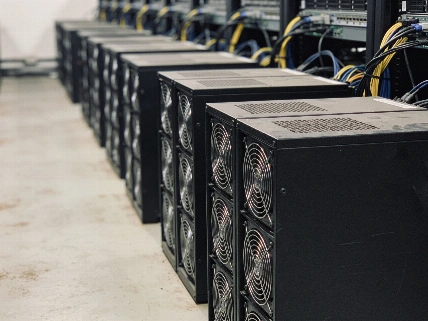
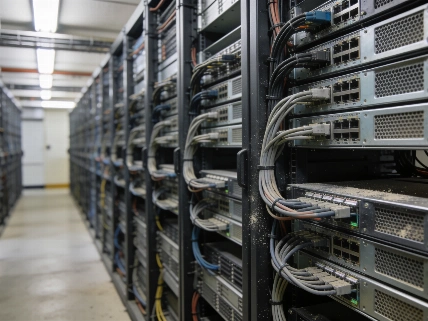
Despite its growth, Anthropic faces significant risks as it prepares for life as a public company. The company is spending $1.25 billion per month on computing capacity through a contract with SpaceX that runs through May 2029, representing an annualized infrastructure commitment of $15 billion to a single supplier. Total compute spending for 2026 is estimated at $19 billion. With gross margins around 40% and annualized revenue at $47 billion, Anthropic's path to sustained profitability is plausible but not immediate-the company does not expect to turn a profit until 2028.
There are also questions about how Anthropic recognizes revenue. Some analysts have flagged that the $47 billion annualized figure may include contractually committed revenue that has not yet been recognized under standard accounting rules. This distinction matters for public market investors, who will be focused on actual recognized revenue rather than future contract values. Additionally, the Pentagon has designated Anthropic as a supply-chain risk, which could become a concern for some institutional investors, even though it has not slowed the company's enterprise momentum so far.
What's at Stake for Investors
For U.S. investors, Anthropic's IPO represents the first large-scale opportunity to invest directly in a company building foundational AI models, rather than just the hardware or cloud infrastructure that supports them. Nvidia provides the chips, Microsoft and Google offer the platforms, but Anthropic is at the core of the model layer that enterprises are increasingly adopting. The central question is whether the market will support a premium valuation for a company that is still burning cash at scale, even as revenue growth accelerates. The outcome of Anthropic's ongoing investor meetings will determine whether October marks a new era for AI investing or a sign that public markets are not yet ready for this level of risk and ambition.
Anthropic's IPO process is being closely watched not only for its potential to reshape the AI investing landscape, but also for the signals it sends about how public markets value rapid growth, high capital spending, and the risks inherent in cutting-edge technology businesses. The next few months will reveal whether institutional investors are willing to back a near-trillion-dollar AI model developer before it reaches profitability.
AI model companies like Anthropic operate at the intersection of massive capital requirements and rapid technological change. Their business models depend on both the pace of enterprise adoption and the ability to manage enormous infrastructure costs, often through long-term contracts with a handful of suppliers. For investors, understanding the difference between recognized revenue and contracted future revenue is critical, as is assessing the sustainability of growth rates and the risks tied to concentrated supplier relationships. As more AI companies consider going public, these distinctions will become increasingly important for anyone evaluating the sector's long-term potential and volatility.