Warren Buffett became chairman emeritus on September 18, 2026, after handing the CEO role to Greg Abel. With Todd Combs gone and Berkshire shares trailing the market this year, investors are watching how the company handles the change.
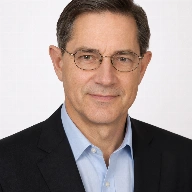
On September 18, 2026, Warren Buffett became chairman emeritus of Berkshire Hathaway and remained a director. Greg Abel had taken over as CEO on January 1. Buffett continued to work with him on major decisions, but his departure from the chairmanship takes Berkshire another step from his direct involvement. The handoff is also covered in coverage of the handoff.
For investors, the question goes beyond who holds the top job. Berkshire must show that its next leaders can keep the company's decision-making discipline while overseeing a vast business and investment portfolio.
Buffett had chaired Berkshire Hathaway since 1970. His departure in 2026 ended a 56-year tenure in the role.
A wider leadership handoff
Abel's authority grows as Buffett steps back. Todd Combs' departure sharpens a separate question about the portfolio. Combs, who previously managed Berkshire's equity portfolio, has left for JPMorgan.
Reporting on Berkshire's succession says Howard G. Buffett, who joined the board in 1993, has now become chairman. This is a succession from within the company, not an outside hire. Abel is identified as the main decision-maker going forward, though the original article notes that he has no formal portfolio-management experience. An account of Howard Buffett's appointment also describes his long-standing board role.
Those jobs are not the same. Running Berkshire and choosing publicly traded stocks are related, but they call for different responsibilities. Buffett took part in major investment decisions in recent years, including Berkshire's purchase of Alphabet shares in 2025. Investors have less reason to assume the portfolio will still reflect Buffett's direct hand.
The change does not prove Berkshire will abandon Buffett's principles. Abel's decisions will offer more evidence of whether those principles can guide the company without Buffett's close involvement. That is the test.
In his farewell message, Buffett said, 'Father Time always wins,' while expressing confidence that Berkshire was 'more confident than ever about what lies ahead.'
What the market is pricing
Berkshire shares have been roughly flat so far this year. The broader market has risen more than 13%, according to Reuters-reported market coverage. That gap shows how the shares have performed relative to the market. It does not prove the leadership change caused the difference or predict what Berkshire shares will do next.
Berkshire's market capitalization is above $1 trillion. That makes it a large public company, and its leadership choices can carry significant weight for shareholders. Buffett has expressed full confidence in Abel. Investors may still want to see a track record from the new decision-maker before treating the handoff as routine.
Caution is understandable. It does not, by itself, show that the business has weakened.
Buffett's long-standing focus on patience and disciplined investing remains relevant to how investors read the market's response. A past market discussion looked at why investors may avoid abandoning a strategy during market declines. This succession raises a different question: can the strategy's leadership endure?
The test for Abel
Howard Buffett, Warren Buffett's son, is replacing him as chairman. The formal change makes Berkshire's distance from its longtime leader more visible. Abel now has greater influence over the company's direction. Reuters reported that Buffett remains a director with the title of chairman emeritus. Available reporting does not say what specific investment or operating decisions Abel will make next.
Investors have two questions to follow. Can Abel lead Berkshire as CEO? How will he shape its portfolio after Combs' departure? Berkshire's size and Buffett's continued confidence offer context, but neither answers those questions. Abel's decisions and their results will provide the clearest evidence, not assurances about continuity.
Market capitalization measures the value investors collectively assign to a company's shares. It does not measure cash available to spend or guarantee future performance. Berkshire's size can make leadership changes matter greatly to shareholders, but it does not remove ordinary investment risk. A flat share price beside a rising market reflects a limited period, not a final judgment on the company. Berkshire's succession will be judged by execution. Abel now has to show that the organization can make sound decisions without Buffett's close participation.