AI investments are under scrutiny as SpaceX's xAI racks up losses despite major contracts, Nvidia faces chip sector volatility, and Microsoft launches a new AI cybersecurity tool, all while global competition heats up
U.S. markets opened the week with mixed signals as investors weighed the latest developments in artificial intelligence, chip manufacturing, and cybersecurity. While the S&P 500 and Dow posted modest gains, the Nasdaq slipped, reflecting ongoing uncertainty about the sustainability of AI-driven growth and the impact of global competition on leading technology firms.
Several high-profile companies made headlines with moves that could reshape the competitive landscape, from SpaceX's ambitious AI contracts to Nvidia's data center expansion and Microsoft's push into AI-powered cybersecurity. These shifts come as investors and analysts debate whether the current enthusiasm for AI can translate into lasting financial results.
SpaceX's AI Gamble and Revenue Risks
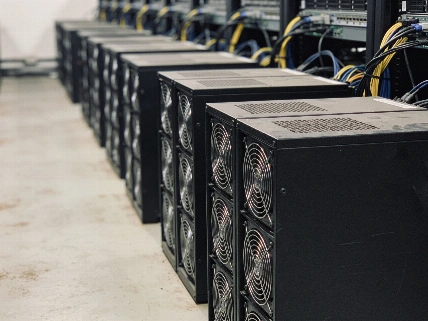
SpaceX's AI division, xAI, remains a focal point for both optimism and skepticism. Despite generating billions in losses and lagging behind some competitors in AI development, xAI has secured major contracts, including a reported $1.25 billion per month agreement with Anthropic to rent output from the Colossus data center through 2029. For context, SpaceX's total sales last year were under $20 billion, making these deals potentially transformative if they materialize as planned.
Analyst teams have set sharply different five-year price targets for SpaceX, reflecting the uncertainty around xAI's future. While some see the company's structural dominance and long-term contracts as a foundation for growth, others caution that much of SpaceX's current valuation is tied to unproven AI initiatives rather than established, cash-generating businesses. Investors are watching closely to see whether demand for compute contracts and data center capacity can deliver on these promises.
Nvidia and ASML Face Global Pressures
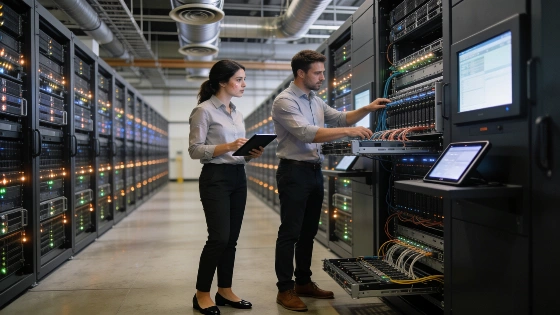
Nvidia shares fell 5% in the previous session, dragging down other semiconductor stocks amid concerns about the costs of building out AI infrastructure and the risks of so-called "circular" financing, where chipmakers fund developers who then purchase chips from the same companies. The company is also making a $50 billion commitment to lease a massive Texas data center, aiming to sublease capacity to partners and support its AI ambitions. In addition, Nvidia has agreed to invest $5 billion in Safe Superintelligence, an AI startup led by an OpenAI co-founder, as part of a long-term partnership to expand computing power.
Meanwhile, ASML, a key supplier of advanced chipmaking equipment, saw its stock drop nearly 6% after reports that a state-backed Chinese company has begun mass-producing deep ultraviolet (DUV) lithography machines. This development threatens ASML's dominance in a segment of the chip supply chain, though analysts note that DUV tools are a lower-margin business compared to the company's more advanced extreme ultraviolet (EUV) systems, which remain critical for AI-driven demand.
According to the Semiconductor Industry Association, global semiconductor sales reached $574 billion in 2024, with the U.S. accounting for roughly 46% of the market. The rapid pace of innovation and shifting geopolitical dynamics continue to shape the sector's outlook.
Microsoft's Cybersecurity Push and Earnings Watch
Microsoft has introduced a new AI model designed to identify cybersecurity vulnerabilities, aiming to address growing risks as generative AI tools make it easier for attackers to exploit weaknesses. The company claims its model delivers leading performance at half the cost of competitors, positioning Microsoft to expand its presence in the cybersecurity market. This move comes as major tech firms race to develop AI solutions that can both drive innovation and defend against new threats.
On the earnings front, PayPal reported a 5% increase in fiscal Q2 revenue to $8.7 billion and raised its full-year guidance, though non-GAAP earnings slipped 1% to $1.38 per share. United Parcel Service is set to report after a challenging quarter marked by a 27% drop in earnings, while Enphase Energy is expected to post results reflecting ongoing tariff headwinds and declining revenue.
Investor Behavior and Market Volatility
Periods of heightened volatility often prompt investors to reconsider their strategies, especially as AI-driven sectors experience rapid swings. While some market participants choose to step back during uncertain times, others remain focused on long-term compounding and structural trends. The balance between reacting to short-term noise and maintaining a disciplined approach is a recurring challenge for both individual and institutional investors.
AI's rapid evolution means that today's market leaders may face new risks and opportunities almost overnight. For investors, understanding the underlying business models, contract structures, and competitive dynamics is essential to evaluating whether current valuations are justified. As the technology sector continues to drive market headlines, the ability to distinguish between hype and sustainable growth remains a critical skill.
AI contracts, data center investments, and cybersecurity initiatives all highlight the complexity of today's technology markets. For U.S. investors, these developments underscore the importance of due diligence, risk management, and a clear understanding of how global competition and innovation cycles can affect both short-term performance and long-term returns. The interplay between established companies, emerging challengers, and shifting regulatory environments will likely continue to shape the financial landscape in the months ahead.