U.S. diesel crack spreads have surged past $100 a barrel, reaching historic highs as refinery constraints and global supply pressures drive up fuel costs for businesses and consumers
The profit margin for converting crude oil into diesel fuel in the United States has soared to unprecedented levels, with the so-called diesel crack spread surpassing $100 per barrel for the first time. This surge reflects a deepening supply squeeze that is pushing up costs for transportation, agriculture, and manufacturing sectors that depend heavily on diesel. The crack spread, a key industry metric that measures the difference between the price of refined diesel and the cost of crude oil, settled above $100 on Monday and hovered near that level on Tuesday, according to recent market data.
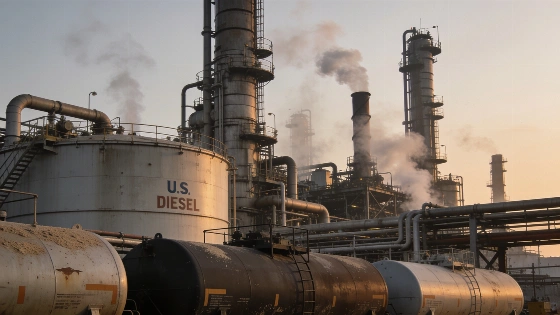
Several factors are contributing to the spike in diesel margins. U.S. refineries are operating at high capacity but face ongoing maintenance and operational challenges, limiting their ability to boost output. At the same time, global demand for diesel remains robust, especially in Europe and parts of Asia, where alternative supplies are constrained by geopolitical tensions and shipping disruptions. These dynamics have tightened inventories and left little cushion for unexpected outages or demand spikes.
For U.S. consumers and businesses, the impact is already being felt at the pump and in higher transportation costs. Diesel prices tend to influence the cost of shipping goods by truck, rail, and ship, as well as the price of food and other essentials that rely on diesel-powered logistics. When refining margins rise sharply, fuel producers may pass on those costs, leading to broader inflationary pressures. The current margin levels are well above historical averages, signaling an unusually stressed market environment.
According to the U.S. Energy Information Administration, the national average retail price for diesel stood at $3.85 per gallon as of late May 2026, up from $3.60 a year earlier. U.S. distillate fuel inventories, which include diesel, remain below the five-year seasonal average, reflecting persistent supply tightness. Refinery utilization rates have hovered near 90% in recent weeks, but unplanned outages and scheduled maintenance continue to limit additional production capacity.
Diesel crack spreads are closely watched by traders, refiners, and policymakers because they serve as a real-time indicator of supply and demand imbalances in the fuel market. When margins spike, it often signals that refiners are struggling to keep up with demand or that crude oil supplies are not being efficiently converted into finished products. These episodes can be triggered by refinery outages, shifts in global trade flows, or regulatory changes affecting fuel specifications. For investors and businesses, monitoring crack spreads can provide early warning of potential price volatility and supply risks in the broader energy market.