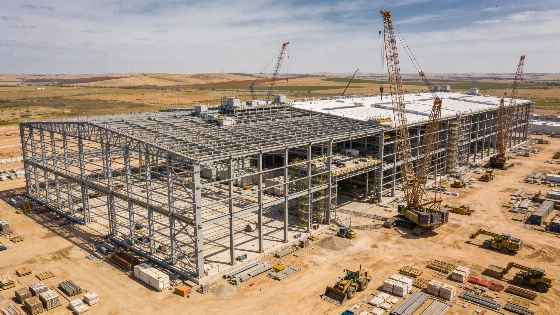
A $16.8 billion semiconductor facility planned by SpaceX and Tesla in Texas is drawing political scrutiny over tax policy and raising questions about U.S. chip supply as demand outpaces global production
Rep. Kat Cammack is pushing back against Democratic proposals to impose new taxes on high-net-worth individuals, arguing that targeting Elon Musk's wealth is both unconstitutional and counterproductive for American innovation. The debate comes as SpaceX and Tesla, both led by Musk, announced plans to build what could become the world's largest semiconductor manufacturing facility in Grimes, Texas, just outside Houston. The project, named Terafab Texas, is expected to exceed 100 million square feet, dwarfing existing structures like the Pentagon and China's New Century Global Center.
The new plant is designed to address a critical shortage in advanced chips, which are essential for products ranging from Tesla's Optimus robots and self-driving vehicles to SpaceX's space-based data centers. According to the companies, their combined demand for high-performance semiconductors is projected to surpass current global supply, making domestic production a strategic priority. The initial phase of Terafab Texas is estimated to cost $16.8 billion and create more than 3,000 jobs, with further expansion possible as demand grows.
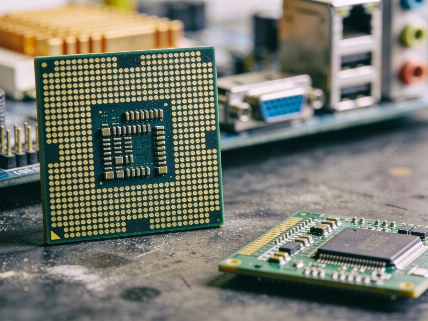
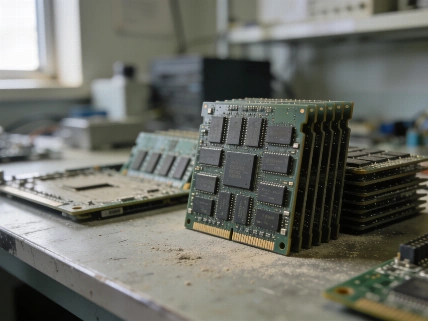
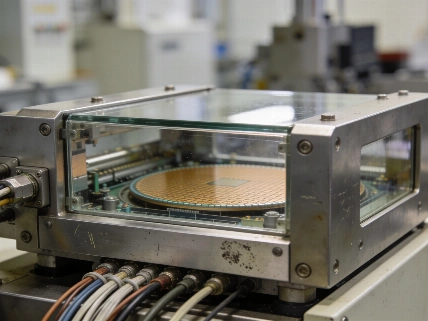
SpaceX stated that the facility will handle manufacturing, packaging, and testing of advanced logic and memory devices, with a focus on chips optimized for edge computing and artificial intelligence inference. The move reflects a broader trend among U.S. technology firms to localize chip production amid ongoing supply chain disruptions and geopolitical tensions. In April, Tesla began construction on a research facility at its Giga Texas campus, which is expected to serve as a precursor to the larger Terafab project.
For context, the Pentagon currently holds the title of the largest building in the United States at 6.6 million square feet, while China's New Century Global Center is the world's largest at 18.9 million square feet. If completed as planned, Terafab Texas would set a new global benchmark for industrial scale. The project's scale and ambition have drawn comparisons to other major technology investments, such as Microsoft's recent expansion in AI-driven cloud infrastructure, which sent its stock higher even as other tech giants faced market pressure. For example, Microsoft's cloud revenue growth recently outpaced expectations, highlighting the competitive race among U.S. tech firms to secure critical hardware and data capabilities.
While the Terafab initiative is being hailed by some as a symbol of American industrial resurgence, it also raises questions about the role of public policy in supporting or hindering large-scale private investment. Critics of new wealth taxes argue that such measures could discourage entrepreneurs from making the kinds of long-term, capital-intensive bets needed to strengthen domestic supply chains. Supporters counter that the extraordinary gains realized by tech billionaires should be subject to higher taxation to fund public priorities and reduce inequality. The outcome of this policy debate could shape the future of U.S. technology leadership and the resilience of its manufacturing base.
According to the Semiconductor Industry Association, U.S. semiconductor manufacturing accounted for about 12% of global capacity in 2023, down from 37% in 1990. The CHIPS and Science Act, signed into law in 2022, allocated $52.7 billion in federal incentives to boost domestic chip production, but industry analysts note that demand for advanced chips-especially those used in AI, robotics, and autonomous vehicles-continues to outpace supply. The success of projects like Terafab Texas will depend not only on private investment but also on the ability of U.S. policy to balance innovation incentives with broader economic and social goals.
Semiconductor manufacturing is among the most capital-intensive industries in the world, requiring massive upfront investment, highly specialized equipment, and a skilled workforce. The complexity of chip fabrication means that even minor disruptions can ripple through global supply chains, affecting everything from consumer electronics to national security systems. As U.S. companies race to expand domestic capacity, they face challenges including talent shortages, regulatory hurdles, and the need to secure reliable sources of raw materials. For investors and policymakers alike, the stakes are high: the ability to produce advanced chips domestically is increasingly seen as a cornerstone of economic competitiveness and technological sovereignty.