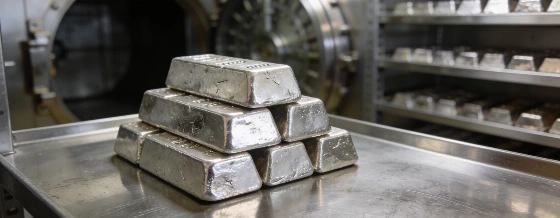
The Federal Reserve's first rate increase since 2023 sent stocks sliding, pushed the 10-year Treasury yield near 5 percent, and left investors rethinking silver's place in their portfolios.
Markets jumped as the Federal Reserve raised interest rates for the first time since 2023. The long stretch of steady policy ended. Investors had to rethink risk. Stocks dropped fast. The Dow saw its biggest one-day fall in about a month, then clawed back some ground. The 10-year Treasury yield hovered near 5 percent, a level not seen in years. Borrowing costs are up. The rules for investors are changing.
The Fed's decision was unanimous. On September 16, 2026, it raised the benchmark rate by 25 basis points, setting it at 3.75%-4.00%. A Reuters financial review called this the first hike in over three years. The Fed's statement said inflation needs to get back to 2% faster.
After the Fed's September 2026 rate hike, the yield on 10-year U.S. Treasury bonds briefly surpassed 5%, reaching 5.016%-a key psychological threshold for global markets.
For people watching precious metals, the rate hike brings new questions. Silver is both an industrial metal and a store of value. Higher rates usually make non-yielding assets like silver less attractive than bonds or cash. But markets rarely move in straight lines. Silver's path will depend on how rising yields, inflation, and risk appetite play out in the months ahead.
Interest rates and market reaction
The Fed broke a three-year pause with this rate hike. Some investors did not see it coming. Stocks fell right after the news. Tighter financial conditions and worries about company profits drove the drop. The Dow's fall was its worst in about a month. A small rebound followed as investors tried to make sense of the move. The 10-year Treasury yield's climb toward 5 percent shows how much things have changed. Mortgage rates and corporate borrowing costs are rising too.
Volatility spiked. Reuters market coverage reported that U.S. stock indices plunged after the Fed's announcement, then partly recovered as investors adjusted their outlook for rates and bond yields.
Reuters linked the Fed's decision to persistent inflationary pressures, including rising energy prices and tariffs, noting that this was the first rate increase in more than three years.
Financial Sumo reported that past rate hikes often push investors to rethink safe havens. In a recent analysis, gold drew new interest as stocks wobbled. Silver is different. It is both a precious and industrial metal. Its price can move in different ways, depending on whether investors fear inflation or a slowdown.
Silver's role in a higher rate environment
When rates go up, assets that pay no income-like silver-can lose ground to bonds and savings accounts, which start to offer better yields. But silver's price is not just about rates. Industrial demand, supply issues, and the wider economy all matter. If higher rates slow growth, factories may use less silver. But if inflation sticks around, some investors may still buy silver as a hedge, even with higher yields elsewhere.
Market data from September 18, 2026, shows stocks fell hard after the Fed's move, but then bounced back. Investors are still weighing what comes next. Silver's price will likely depend on which force wins out-higher yields or inflation fears-and on whether the Fed hints at more hikes or decides to wait and see.
What investors should watch next
Anyone holding or thinking about silver now has to watch Treasury yields, inflation numbers, and what the Fed says about future moves. If yields keep rising, silver could face more pressure. But a surprise shock or stubborn inflation could bring buyers back to precious metals. Industrial trends matter too. Silver is used in electronics and solar panels, so its price is tied to manufacturing health.
The Fed's rates affect everything from savings accounts to mortgages. When rates go up, borrowing costs rise. That can slow the economy but also help keep inflation in check. Savers may get better returns on cash and bonds. Borrowers will pay more for new loans and credit. Knowing how these forces interact is key for anyone trying to navigate today's volatile markets.