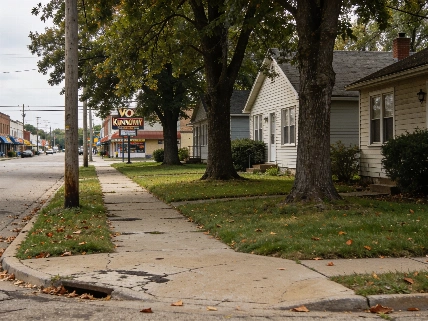
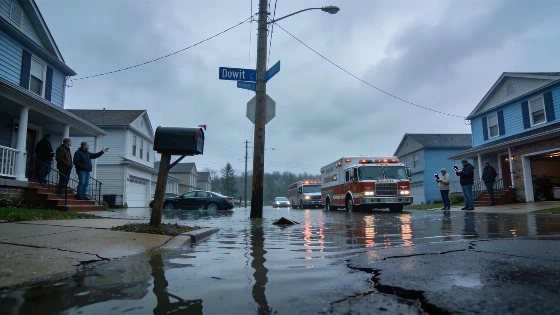
Localized flash flooding in eastern Onondaga County disrupted neighborhoods and roadways, highlighting the unpredictable financial risks of weather-related property damage for homeowners and local governments in the region
Unpredictable weather patterns brought sudden financial and logistical challenges to parts of eastern Onondaga County on Sunday, as slow-moving thunderstorms triggered flash flooding in several neighborhoods. While most of Central New York remained dry, isolated downpours overwhelmed drainage systems in DeWitt and Minoa, causing temporary but disruptive flooding on local roads and driveways. According to reporting by SYRACUSE, N.Y., the National Weather Service issued a flash flood warning for the affected area, underscoring the potential for rapid property damage and unexpected costs for residents and municipalities.
In DeWitt, flooding was reported near the intersection of Haddonfield Drive and Alwyn Road, a residential area situated between East Genesee Street and Erie Blvd East. Water pooled on streets and driveways, creating hazardous driving conditions and raising concerns about the adequacy of local stormwater infrastructure. In Minoa, Windebank Lane near Pine Grove Middle and Elementary schools experienced similar issues, with water inundating both the roadway and adjacent properties. These incidents, while limited in geographic scope, illustrate the financial vulnerability of homeowners and local governments to sudden weather events that can lead to costly repairs, insurance claims, and potential increases in municipal spending on infrastructure upgrades.
According to the Federal Emergency Management Agency (FEMA), flooding is the most common and costly natural disaster in the United States, accounting for billions of dollars in property damage annually. In 2023, the National Flood Insurance Program (NFIP) paid out over $1.2 billion in flood claims nationwide. Many standard homeowners insurance policies do not cover flood damage, leaving property owners exposed to significant out-of-pocket expenses unless they carry separate flood insurance. Local governments also face budgetary strain from emergency response, debris removal, and infrastructure repairs following even minor flooding events.
For residents in areas prone to flash flooding, the financial impact can extend beyond immediate cleanup and repairs. Repeated flooding may lower property values, increase insurance premiums, and prompt lenders to require flood coverage as a condition of mortgages. Municipalities, meanwhile, must weigh the costs of upgrading drainage systems and maintaining emergency preparedness against other budget priorities. As climate patterns shift and extreme weather events become more frequent in some regions, both homeowners and local officials may need to reassess their risk exposure and financial planning strategies to address the growing threat of weather-related losses.
Flood insurance is a specialized product designed to cover losses from water damage not included in standard homeowners policies. The National Flood Insurance Program, administered by FEMA, offers coverage to property owners in participating communities, but there are limits on payouts and waiting periods before coverage takes effect. Private flood insurance options are also available, sometimes with broader coverage or higher limits, but premiums can vary widely based on location, property characteristics, and recent claims history. Understanding the distinctions between standard homeowners insurance and flood insurance is essential for anyone living in or near flood-prone areas, as even a single event can have lasting financial consequences.