David Solomon argues that surging private investment and early productivity gains from artificial intelligence could help the U.S. economy outperform, even as GDP growth slows, unemployment edges up, and inflation remains stubbornly above target.
Despite a marked slowdown in U.S. GDP growth to 1.5% annualized in the second quarter and a July payroll contraction of 23,000 jobs, Goldman Sachs CEO David Solomon maintains that the underlying momentum of the U.S. economy is being underestimated. The central issue: while headline indicators point to cooling growth and persistent inflation-PCE price index up 3.7% year over year-private domestic demand surged 4.2%, and corporate profits rose sharply, providing a significant counterbalance to macroeconomic headwinds.
Investment Cycle and Corporate Profits
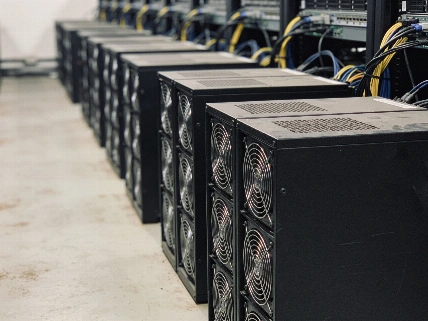
Business investment, excluding housing, rose by 8.5% in Q2 2026, a surge closely linked to the ongoing AI investment boom.
Although rising corporate debt remains a concern, Solomon notes that most large borrowers are generating strong cash flow, reducing systemic credit risk. Alphabet, for example, reported $185.7 billion in trailing 12-month operating cash flow and held $242.5 billion in cash and securities at the end of Q2, even after nearly $45 billion in AI infrastructure spending. This financial strength enables continued investment despite elevated interest rates.
AI's Early Impact and Productivity Data
Solomon's outlook is supported by early productivity data. U.S. nonfarm business productivity rose 2.2% year over year in Q2 2026, exceeding the previous cycle's 1.5% annualized rate. This improvement coincides with broader adoption of generative AI tools: the St. Louis Fed reports that nearly 40% of employed adults used generative AI at work by mid-2026, up from under 30% two years earlier. AI-assisted hours now account for over 6% of total work time, with reported time savings reaching 2.2%.
The Bureau of Economic Analysis revised consumer spending growth for Q2 2026 upward to 3.4%, indicating that household demand was more resilient than initially reported. This adjustment helps explain why the economy has not weakened as much as headline GDP figures might suggest.
Consumer Behavior and Inflation Pressures
Consumers remain central, accounting for the largest share of U.S. economic activity. Personal income rose 0.4% in July, but real spending was flat, the savings rate declined to 3%, and retail sales fell 0.6%. Persistent inflation-PCE index at 3.7% and core PCE at 3.3%-continues to erode purchasing power, remaining well above the Federal Reserve's 2% target. According to Ticker Report, these inflationary pressures are straining household budgets and limiting discretionary spending.
Some analysts caution that if labor market weakness intensifies or credit conditions tighten, a sharper slowdown could result. Nevertheless, the resilience of consumer spending, even as job growth slows, suggests the economy may withstand weaker periods without entering recession. Solomon argues that strong investment and steady household demand can support the recovery, provided inflation does not accelerate and credit markets remain stable. This perspective aligns with recent warnings from Goldman Sachs on persistent inflation risks linked to global supply disruptions.
Investor Implications and Editorial Verdict
For investors, much of the optimism surrounding AI and productivity is already reflected in equity prices, particularly among chipmakers, data center operators, and utilities. The key question is whether companies can convert AI investment into sustained cost savings, revenue growth, or margin expansion. Balance sheet strength is important, but so is the ability to generate free cash flow after significant capital expenditures and rising debt. If productivity gains extend beyond a few technology leaders, the benefits could be substantial for both the economy and markets.
Solomon's positive outlook is balanced by real risks: global trade tensions, persistent inflation, and uneven technology adoption. Nonetheless, the data indicates that the core drivers of the economy-private investment and early productivity gains-remain robust. For U.S. households and investors, the coming quarters will favor those who focus on companies and sectors already demonstrating measurable results from AI, rather than speculative potential. The evidence to date suggests that while the productivity surge is still emerging and uneven, it is sufficient to offset some of the drag from slower growth and persistent inflation, making selectivity and discipline essential in both investment and policy decisions.