With over 700 islands but only 30 inhabited, The Bahamas offers a range of travel costs and experiences. Your choice of island can affect everything from lodging prices to transportation and activity fees
Travelers planning a trip to The Bahamas often face a key financial decision: which island to visit. While New Providence Island, home to Nassau, is the most visited due to its cruise port and major resorts, the country actually consists of more than 700 islands and 3,000 cays, with only about 30 permanently inhabited. Each destination offers a different mix of costs, amenities, and experiences, making the choice more than just a matter of scenery.
Comparing Costs Across Islands
New Providence Island attracts the majority of visitors, largely because of its direct cruise ship arrivals and concentration of well-known resorts like Baha Mar and Margaritaville Nassau. These resorts offer a range of price points, but the high volume of tourists can drive up prices for lodging, dining, and activities, especially during peak travel seasons. Nassau also serves as the main hub for tours, festivals, and nightlife, which can add to the overall cost for travelers seeking a full-service experience.
For those looking to stretch their travel dollars or avoid crowds, other islands such as Eleuthera, Exuma, and Bimini present alternative options. Eleuthera, accessible by direct flights from U.S. cities like Miami and Charlotte, is known for its natural attractions and quieter atmosphere. While flights may be less frequent and sometimes more expensive than those to Nassau, accommodations and local experiences can be more affordable, especially outside of peak periods. Harbour Island, just a short ferry ride from Eleuthera, is famous for its pink-sand beaches and historic hotels, but its boutique lodging options can command premium rates.
Unique Experiences and Their Price Tags
The Exuma district, made up of hundreds of smaller islands, is renowned for its clear waters and unique attractions like Pig Beach and Thunderball Grotto. These experiences often require guided tours or boat rentals, which can add significant costs to a trip. However, Exuma is also accessible by direct flights from Miami, Atlanta, and Toronto, which can help travelers avoid the extra expense and time of connecting through Nassau. Bimini, the closest Bahamian island to the U.S. mainland, is popular for fishing and nightlife, with a mix of luxury resorts and more modest accommodations. Its proximity can reduce travel costs for U.S. visitors, but prices for activities and dining may still be high during busy periods.
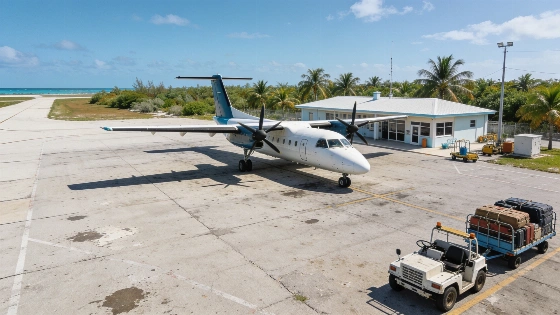
More remote islands like Long Island and Cat Island offer a different value proposition. These destinations are less developed, with fewer resorts and restaurants, but they provide access to pristine beaches, hidden caves, and local culture. Cat Island, for example, is recognized as the birthplace of the Bahamian rake-and-scrape music genre. Travelers willing to trade convenience for authenticity may find lower prices on lodging and activities, but should budget for higher transportation costs and limited services.
Sailing, Snorkeling, and Local Culture
The Abacos, a 120-mile group of islands, are known for their sailing culture and sheltered lagoons. The area attracts boaters and snorkelers, with many settlements featuring pastel colonial cottages and historic lighthouses. While the sailing infrastructure is well-developed, visitors should factor in the cost of boat rentals, marina fees, and specialized tours. The laid-back atmosphere and unique local culture can make these islands appealing for longer stays, but the cost of groceries and imported goods may be higher than on more populous islands.
According to reporting by TheStreet, each Bahamian island offers a distinct experience and cost structure. While ease of access and resort amenities may drive up prices on New Providence, travelers willing to explore less-visited islands can often find better value and a more authentic connection to local culture. However, limited transportation options and fewer services can mean higher costs in other areas, such as inter-island flights or ferry rides.
According to the Bahamas Ministry of Tourism, the country welcomed over 7 million visitors in 2023, with cruise arrivals accounting for more than 5.5 million of those. Air arrivals, which tend to stay longer and spend more per trip, made up the remainder. Average daily spending for air visitors was reported at $250 per person, while cruise passengers spent an average of $80 per day. These figures highlight the wide range of travel budgets and experiences available depending on the island and mode of arrival.
Choosing an island in The Bahamas is not just about scenery or relaxation-it's a financial decision that can affect the total cost of your trip. Factors such as transportation, lodging, activities, and even food prices vary widely from island to island. Travelers should weigh the trade-offs between convenience, cost, and the type of experience they want, and consider booking in advance or traveling during off-peak periods to manage expenses.
When planning a trip to The Bahamas, understanding the difference between all-inclusive resorts and independent lodging can help travelers control costs. All-inclusive packages may offer predictable expenses and convenience, but often come at a premium. Independent hotels, vacation rentals, and guesthouses can provide more flexibility and sometimes lower prices, but may require more research and advance planning. For those interested in exploring multiple islands, factoring in the cost and logistics of inter-island transportation is essential, as flights and ferries can add up quickly. Ultimately, the best value depends on each traveler's priorities, budget, and willingness to trade convenience for a unique experience.